Our speakers
Want to hire a professional speaker to take your event to the next level? Or several speakers? For over 30 years, Speakers Academy has been the agency for speaker management and advice. We work with the most compelling and well-known speakers, and we guarantee the best match for your event. Looking for the right speaker? Browse our speakers and use the filters to search with precision. Hiring a speaker doesn’t have to be complicated. Can’t find what you need? Get in touch with us.
Categories
Skip list of categoriesNeed advice?
Speakers Academy® has been the go-to knowledge partner in the world of speakers for 30 years, and our experienced team provides expert, tailored advice.
Our latest blogs
-

From the European Parliament to the garbage truck: workers deserve more recognition
-
Arts Culture & Lifestyle
Published on: Written by: Quin Blokzijl
 -
-
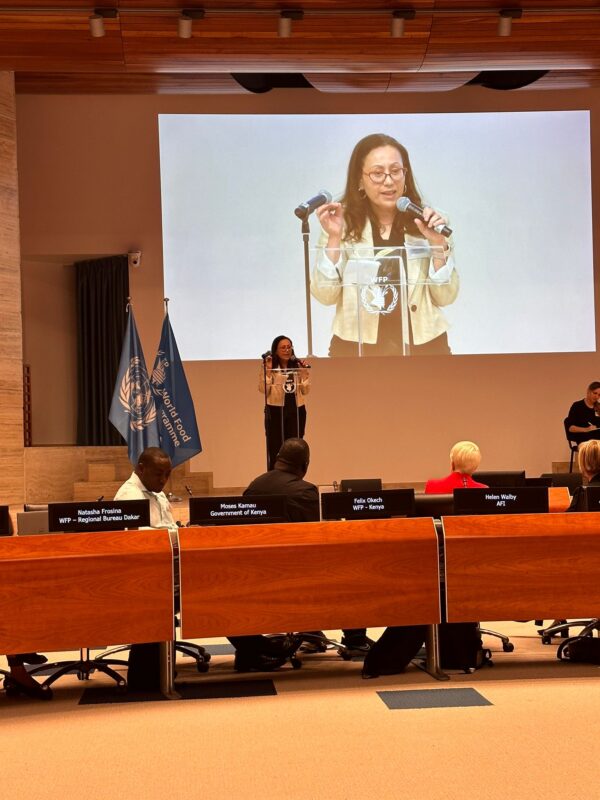
How Can the Digital Economy Serve Everyone?
-
Africa
Published on: Written by: Mayada El-Zoghbi
 -
-
From a Dutch Idea to China’s Green Heart: YOU.FO RingCross World Cup 2026 in Ya’an
-
Sports & Team Building
Published on: Written by: Bas Ruyssenaars
 -
-
Leadership at the Edge: From Individual to Collective Impact
-
Leadership & Strategy
Published on: Written by: Julie Brown
 -
References
-
His presentation was phenomenal and exceeded our expectations and clearly those of the delegates.
Review Bruce Whitfield
Rated 4.0 out of 5 stars.
Referentie van: Allan Wood
Jersey Finance -
Bruce’s honest interpretation of societal dynamics resonated deeply with our audience, sparking meaningful discussions.
Review Bruce Whitfield
Rated 4.0 out of 5 stars.
Referentie van: Mic Mann
Mann Made -
Bruce was a dream to work with and gave a fantastic keynote speech for our audience.
Review Bruce Whitfield
Rated 4.0 out of 5 stars.
Referentie van: Tierney Holloway
Citywire
A public speaker for your event
For more than 30 years, we have been working with the best international public speakers and moderators / hosts. Our public speakers are invited for all kinds of meetings. From speakers for conferences to speakers for lectures and speakers for network meetings. Our speakers are welcome guests at all kinds of events. The great advantage of Speakers Academy is that we know all our speakers personally. As a result, we always know how to link public speakers to events that really suit your specific event, audience and topic. Are you looking for an innovation speaker, a well-known politician, a sport speaker, a DEI speaker, an AI public speaker, a successful entrepreneur, a scientist or a sustainability speaker to hire for your event, your congress or board meeting? Speakers Academy is the agency for interesting public speakers!
Speakers Academy’s mission statement is: ‘Bringing Knowledge to the World’ for a reason. Therefore, you can count on all our speakers known for telling the most wonderful, inspiring, innovative or motivating stories. Speakers who are motivated to share their knowledge and experience. At Speakers Academy we make knowledge sharing attractive and contribute to a simple and unburdening way of acquiring knowledge. Our ambition is to worldwide propagate the importance of embracing knowledge and stimulating awareness. Finding a speaker and a host that suits your event, your audience and your topic is decisive for a successful event.
Why choose Speakers Academy®?
Speakers Academy is your consultant and sparring partner for finding and choosing the right speaker or moderator. We take the time to ask you all sort of questions to get to know your audience and understand the occasion. And then we help you choose the right speaker or moderator for your event. Curious about our consultants? Our team is key to our success. Our consultants are highly appreciated for years of knowledge and experience, the commitment and their recommendations so please come and meet us. Feel free to contact us.
Not sure where to start?
Get in touch with Speakers Academy and we'll gladly introduce you to a strong speaker or moderator.
Need advice?
Speakers Academy® has been the go-to knowledge partner in the world of speakers for 30 years, and our experienced team provides expert, tailored advice.
Let’s find the speaker who truly makes an impact.
Our specialists are ready to match the right expertise to your goals.