
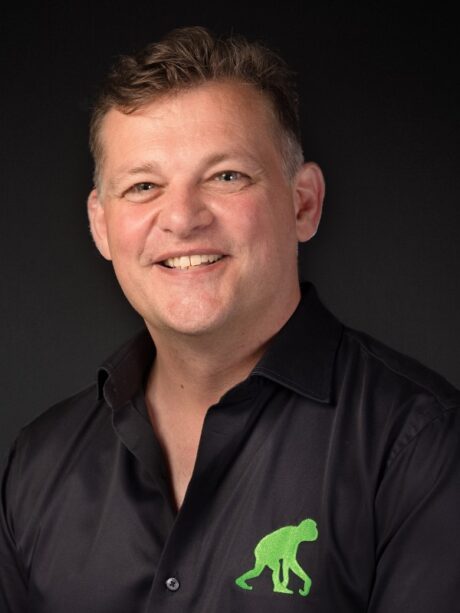
 © Johannes van Camp - Fotostudio ZieZo
Speaker | Organizational Primatologist | Specialist in Non-Verbal Strategy
Daniel Seesink
As an organizational primatologist, Daniel Seesink provides insight into the behavior from ape to human. In his lectures, he takes you into the world of great apes and their specific, yet often 'human' behaviors.
Languages:

Employability:
Keynote spreker
Employability:
Keynote spreker,
About Daniel Seesink
If you cannot look objectively at the behavior of monkeys – whom you do not know – how objectively do you look at the behavior of colleagues whom you think you know?
As an organizational primatologist, Daniel Seesink provides insight into the behavior from ape to human. In his lectures, he takes you into the world of great apes and their specific, yet often ‘human’ behaviors. He uses striking examples to help you search for recognizable parallels in that behavior. Take, for instance, an alpha male among chimpanzees. He thinks he is in charge, but is that really the case in practice? Is he not very much dependent on the support of his group? Some alpha males think not, while others understand that engaging in politics is sometimes necessary to achieve something. But before you know it, a shared goal suddenly becomes a personal interest. And who will still join you then?
Social safety is also a basic need for great apes. If this is not in order, unrest arises. Why do we think it works differently for humans?
Non-Verbal Impact
More than great apes, we are focused on each other’s faces in communication. We read a lot from that. But what makes one person have more non-verbal impact than another? And what does this do to us in relationships? Daniel Seesink specializes in analyzing non-verbal impact and non-verbal strategy. A better understanding of the meaning of sometimes minimal, yet observable expressions on our faces makes it easier to engage in conversation without judgment. Particularly in situations where complete impartiality and objectivity are required, but there is still a certain power dynamic at play.
Everyone working within the criminal justice chain (including police and the judiciary), education, childcare, and healthcare finds Daniel particularly interesting to speak for, given the societal importance associated with this.
About Daniel Seesink
Daniel Seesink taught biology for five years in Rotterdam. He then made a career switch and worked for twelve years as a medical account manager for multinationals in the pharmaceutical sector. This work led him to the insight that performing at a high level is only possible when there is trust within a socially safe environment.
Change management fails when you lack the ability to help people learn to adapt to changes.
Inspired by the fieldwork of Jane Goodall, Frans de Waal, and Jan van Hooff, all pioneers in the study of primate behavior, Daniel Seesink decided in 2013 to use the inevitable link between the behavior of apes and humans as a mirror for human behavior within companies and organizations. He founded Bewust Zoo with the aim of raising awareness and helping management teams with the significant challenge of keeping people motivated for the work they do. Personal attention – grooming each other – is essential in this regard.
Therefore, let yourself also be inspired by the behavior of ‘our closest living relatives’.
}
Specialist Subjects
Videos
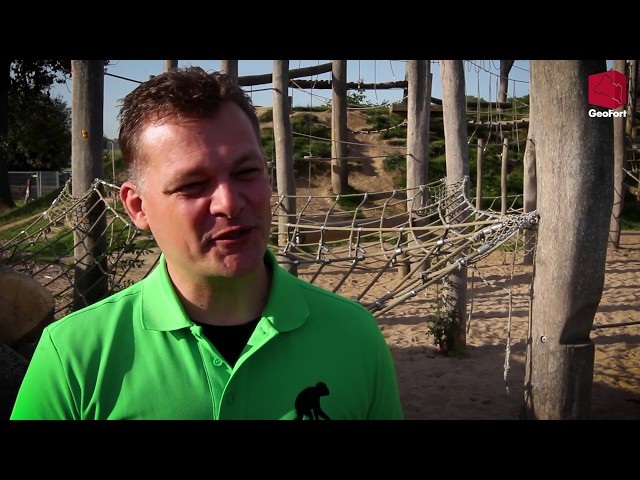
Interview Daniel Seesink - Crisismanagement en Apen
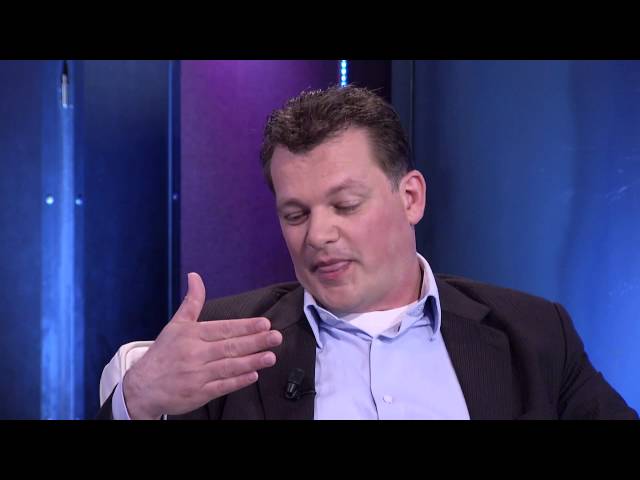
Daniel Seesink (Bewust Zoo!): 'Ondernemers kunnen veel leren van apen'
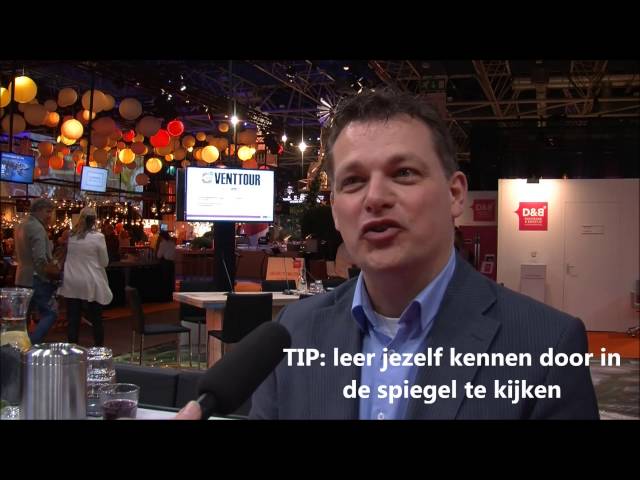
Daniel Seesink op event 16 over eventprofessionals: te veel paradijsvogels, te weinig zwanen