About
Stefan Mey
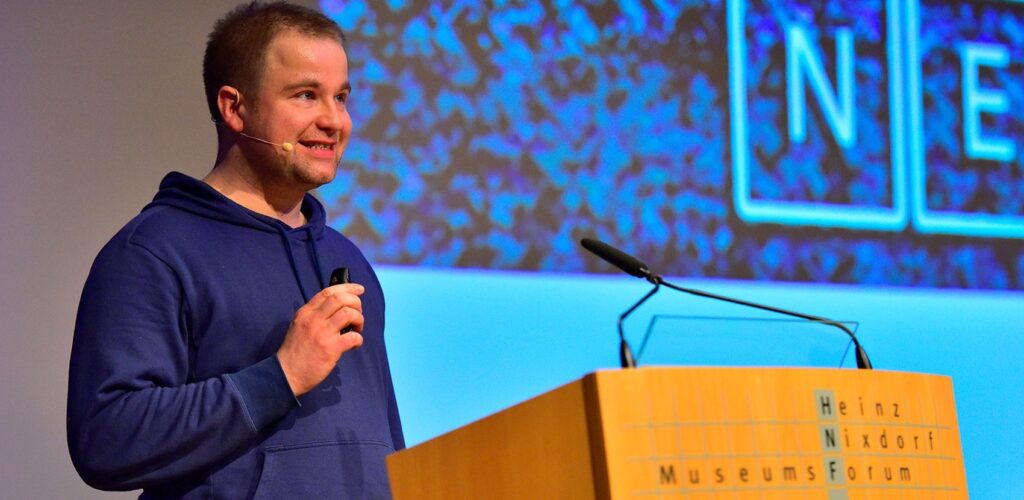
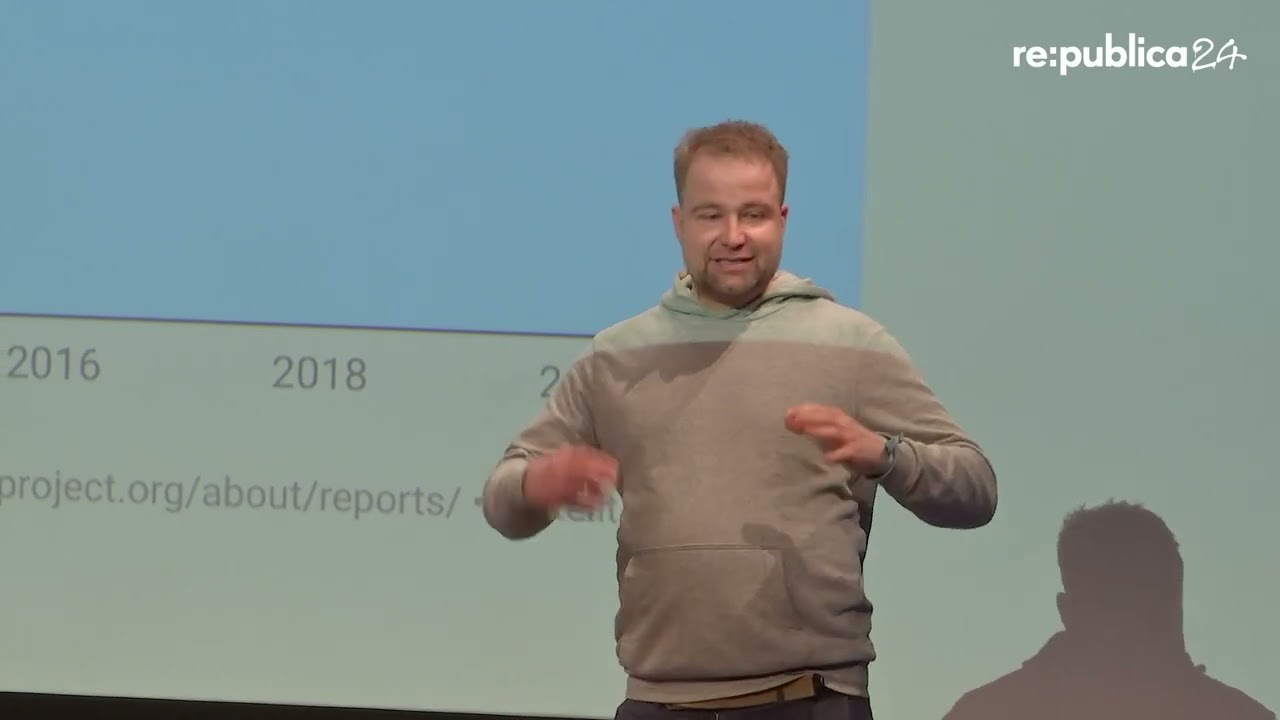
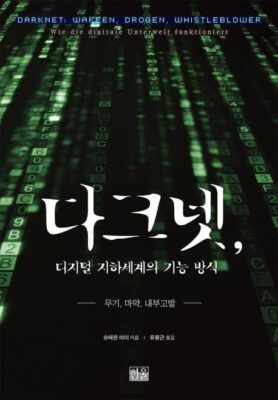
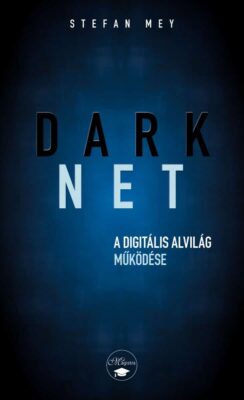
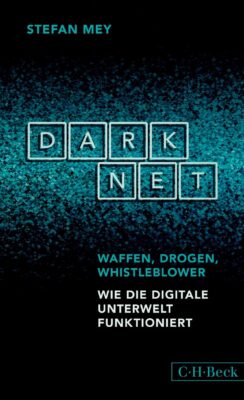
Stefan Mey is an IT journalist. He has written the darknet book that shapes the German-speaking world: “Darknet: Waffen, Drogen, Whistleblower. How the Digital Underworld Works” (C.H.Beck, 3rd Edition 2021). He has researched and written for dozens of public interest, industry and technology media on all relevant aspects of the digital underworld and gained insight into all aspects of the dark web. As a digital expert, he has given more than 50 interviews, for television, radio, print, online and in podcasts.
Since the beginning of his journalistic career, he has been critical of the balance of power in the digital world: Who sets the economic tone and why, and what are the consequences? Mey not only watches the big Silicon Valley corporations but is also an intimate connoisseur of the non-commercial “digital counter-world”, which includes projects such as Wikipedia, Firefox, WikiLeaks or OpenStreetMap. He has portrayed and analyzed the most important projects of this scene, which is often located in Europe and in German-speaking countries.
Stefan Mey not only describes problems, he also provides answers to:
– which political approaches are promising for success
– how “digital self-defense” can undermine surveillance, protect data and make cyber-attacks more difficult
– and what answers the Internet itself offers, which oppose the commercial players of Silicon Valley with a powerful digital counter-world.
No matter whether he is talking about the Darknet or the “normal” Internet. The IT expert also picks up people without any previous IT knowledge and explains the complicated digital world with its opportunities and pitfalls. With razor-sharp analyses, he dissects the aggravated conditions on the Internet, especially the power of the large IT companies. He explains how surveillance works and the importance of data in the digital world, in clear language.
1. The power of Big Tech: Who owns the Internet?
Amazon, Alphabet, Apple, Meta, and Microsoft — five corporations control large parts of the digital infrastructure. This includes operating systems and cloud services, search engines, app marketplaces, and social networks. Hardly any company can avoid having its sales and data end up with the “Big Five.” What is the basis for their immense economic and data power? Who owns the IT giants, and how can we respond to Big Tech’s dominance?”
2. Escaping the Silicon Valley trap: Digital alternatives and digital sovereignty
Beyond the world of Silicon Valley, there is a huge ecosystem of free digital projects that are privacy-friendly and versatile – even for companies. These include, for example, the Signal messenger, the Firefox browser, the OpenStreetMap map service, the Linux operating system family, and various free AI models. How does this “digital counterworld” work? Who is behind it? Who are its most important representatives? And how can these projects help break down the entrenched structures of the digital markets?
3. Dark web and cybercrime: understanding the dark side of the internet
The darknet is a place full of contradictions. The technology is misused by criminals, but also used as a safe haven by journalists and opposition figures. For companies, the darknet is primarily a threat: a marketplace for stolen data, malware, and attack tools. This presentation explains how the darknet works, its role in the cybercrime ecosystem, and how companies can best protect themselves by raising their employees’ awareness of everyday cybersecurity.
4. Doing business in the dark: How and why “dark commerce” works
Online commerce has a lesser-known sibling in the dark web – one that few like to talk about. It’s not shoes or books that are traded there, but narcotics and much more. Dark commerce is similar to the legal e-commerce of Amazon, Zalando, and others. There are product policies, Black Friday discounts, and advertising models. User reviews ensure the necessary trust. What do we know about these marketplaces in the dark? How do the police investigate? And what does dark commerce reveal about the logic of digital markets?
5. Free AI: What opportunities do free models offer?
Are we at the mercy of Big Tech when it comes to artificial intelligence? No. Paradoxically, some of the biggest AI players are making their billion-dollar models freely available—usable on your own hardware, without license fees, and without data leaving your company. The presentation provides an overview of free AI models, their possibilities and limitations – and explores the question of what strategic interests corporations are pursuing when they give away their developments.
6. Digital self-defense: How companies protect their biggest vulnerability
A well-informed workforce is the most effective protection a company can have. Simple tricks and programs can be used to defend against cyberattacks, data collection, and industrial espionage. The presentation provides practical insight into the toolbox of “digital self-defense.” Topics include secure passwords, data-minimizing browser and smartphone settings, and warning signs for dangerous emails. The measures presented can also be implemented by laypeople.
7. Bitcoin, blockchain, bullshit? A sober look at the world of cryptocurrencies
Everyone knows about Bitcoin. But what is behind Ether, XRP, Dogecoin, and Tether—and why are these cryptocurrencies also worth billions of dollars? What has become of the promise that blockchain would revolutionize the entire economy? This lecture makes sense of an often confusing world: it explains in an understandable way how cryptocurrencies and blockchains work, classifies the most important terms – from stablecoins to NFTs to smart contracts – and soberly assesses where real innovation lies and where speculation prevails.