
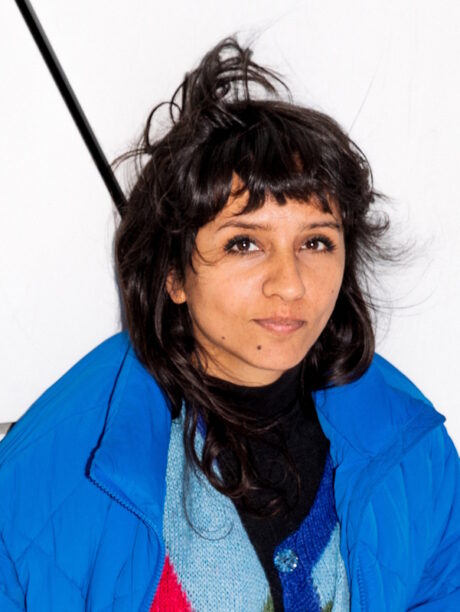
 © Lin Woldendorp
Director | Writer | Producer
Niki Padidar
Niki is an award-winning film director, writer, curator, and creator of programmes. Using humour and surprising examples from film, AI, and campaigns, she brings new perspectives on creative storytelling, engaging young audiences, our unconscious bias, sex education, and film-making.
Languages:

Employability:
Fireside Chats / Q and A sessions,Interviewer,Keynote Speaker,Keynote spreker,Moderator,Panel,Presenter
Employability:
Fireside Chats / Q and A sessions,Interviewer,Keynote Speaker,Keynote spreker,Moderator,Panel,Presenter,
About Niki Padidar
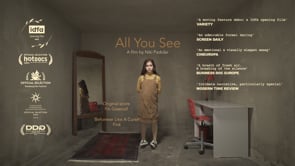
Niki Padidar is a director, writer, and programme maker. Her debut film, Ninnoc, won seven international awards, including at the prestigious Berlinale film festival in Berlin. Her second film, All You See, was the opening film at IDFA, the world’s largest documentary film festival. Niki is also the author of the sex education book Dokter Corrie geeft antwoord, the first edition of which sold out with over 10,000 copies.
Niki creates stories for audiences of all ages, but has a specialization in youth. She is a speaker and conducts masterclasses worldwide on topics such as unconscious bias and representation, creative and out-of-the-box storytelling, engaging young audiences, making and learning from (youth) films and sex education for children, teenagers, and parents/teachers.
She currently works as a curator for IDFA, where she reviews and evaluates around 300 international films every year. In addition, Niki advises on films and coaches filmmakers.
Born in Tehran, Iran, Niki studied photography at The New School University in New York, completed a foundation year at the Rietveld Art Academy, and earned her master’s degree at the University of Amsterdam, specializing in “Youth & Media” and “Representation.”
Niki believes it is important not to repeat clichés, but rather to challenge the current status quo and inspire people with humor, tangible and original examples, and thought-provoking clips—inviting them reassess their own views.
She hopes audiences are surprised or stirred after experiencing her stories, prompting them to question their own version of reality. And she hopes that in the future she will look less British so people will stop addressing her in English five times a day.
Specialist Subjects
Videos
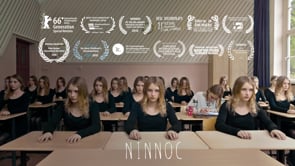
NINNOC
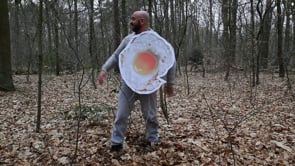
An egg that escapes from the egg carton. 'Little movie' part 1 (Een ei dat is ontsnapt uit een eierdoos. 'Filmpje' afl 1)