About
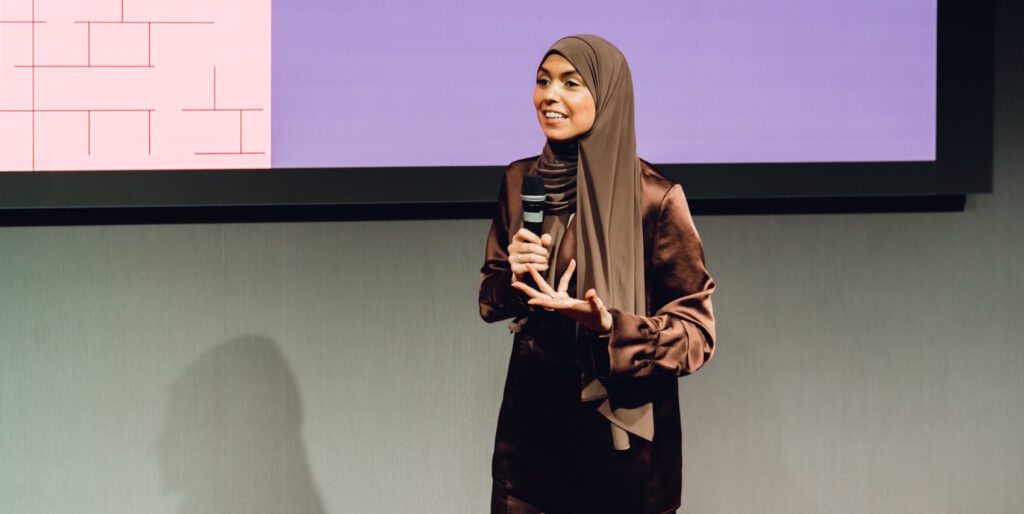
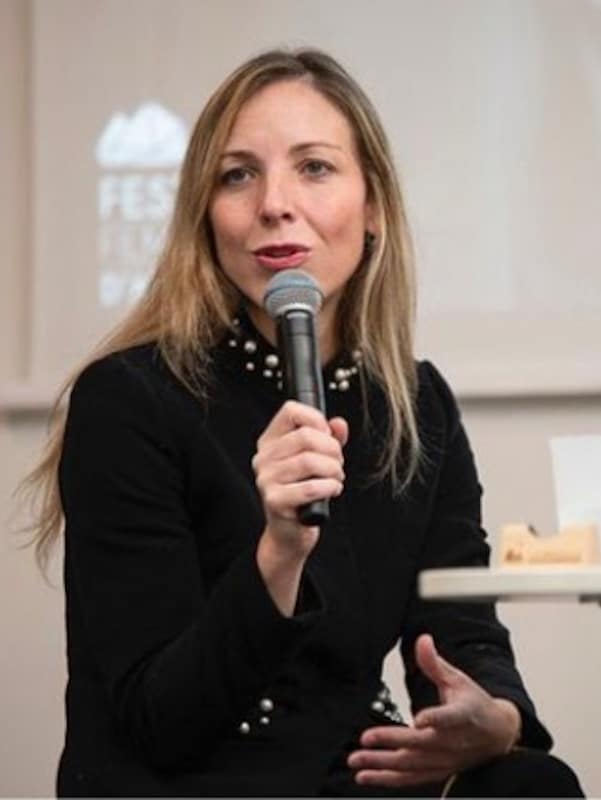
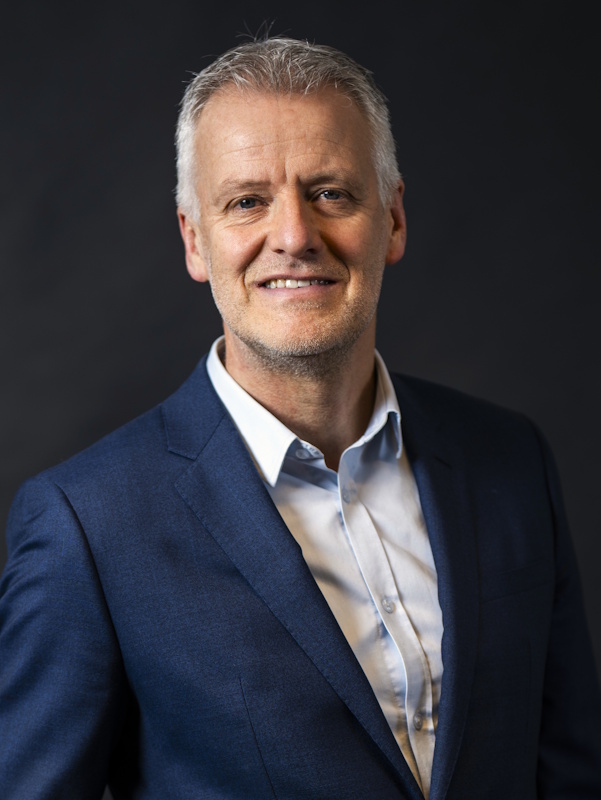
Sana Sellami
Inclusion doesn’t fail because of bad intentions. It fails in execution.
Justice is the thread running through her life. Sana wanted to become a lawyer. It turned out differently, but the core remained: justice not on paper, but between people. That is the line Sana Sellami has followed for years.
As a strategic advisor and speaker, she works with leadership teams and HR departments that want to move beyond symbolic politics, in education, healthcare, the financial sector, and government. Her starting point: if you want to win externally, you have to start internally. Not in posters, but in decisions. Not in what people intend, but in what others experience.
Her work combines social and consumer psychology, subjects she teaches at Thomas More, with years of HR and employer branding practice. As a board member of the University of Antwerp, she sees firsthand where culture genuinely changes, and where it gets stuck in good intentions.
What sets her apart on a stage: she doesn’t dance around friction. She names what others avoid. That “fit” is often exclusion with a friendlier face. That a neutral culture usually just confirms the norm of whoever was already there. That intention is no excuse for impact.
Her keynotes and workshops are not inspiration sessions that impress on Friday and evaporate by Monday. She translates research into behaviour, and behaviour into change that sticks.
Culture is not what hangs on the wall. Culture is what happens when things get difficult.
In 2026, her book on inclusion for HR managers will be published. A workbook, not a handbook.
1. Inclusion That Works™
From “we mean well” to “people feel it too”
This keynote takes leadership teams, HR, and employees through the gap between intention and impact. Good intentions are not the same as an equal experience. I show where that gap lies, and what happens when inclusion is no longer a policy document, but comes through in how we lead, decide, and work together.
Topics include: the difference between intention and impact; how daily behaviour, decisions, and micro-interactions make or break culture; the pitfalls of DEI approaches that stay stuck in campaigns and PowerPoint; concrete language and tools to recognise and adjust behaviour; shared responsibility for culture and belonging, from the work floor to the boardroom.
2. Inclusive Leadership in Practice
Leaders shape culture, in every decision, every meeting, every conversation
This keynote takes leaders through what inclusive leadership demands in practice. Not as a value on a poster, but as a micro-skill. I translate insights from behavioural science and social psychology into concrete habits, things you can do differently today.
Topics include: what makes culture visible, in decisions, interruptions, who gets the floor; micro-behaviours that truly shift culture (and which don’t); how to decide, delegate, and correct without excluding people; the role of empathy, fairness, and courage, even when it’s uncomfortable; how to make inclusive leadership measurable and discussable within your team.
3. Courageous Conversations
Every organisation says it values dialogue, until the dialogue gets difficult
This keynote takes teams through the real work of inclusion: the conversation that chafes. With humour, honesty, and psychological insight, I show how discomfort can become a bridge rather than a wall, how silence is turned into understanding, and resistance into movement.
Topics include: why we let the most important conversations stall at the critical moment; language and skills to listen without immediately defending; the difference between responding and truly hearing what someone says; patterns that avoid discomfort instead of resolving it, and how to break them; how to turn tension within a team into trust and direction.
4. Strong Teams Dare to Speak
Why wellbeing begins with psychological safety
This keynote takes employees through a different perspective on wellbeing. We look beyond individual initiatives and pause at an often-underestimated factor in organisations: the degree to which people feel safe to speak up.
Topics include: why wellbeing is not only about support or initiatives, but about how we work together; what research says about psychological safety and high-performing teams; why openness and vulnerability are not weaknesses, but an important lever for trust and collaboration; how silence, reluctance, or not naming problems makes organisations vulnerable; what role employees and leaders play in creating a work environment where people dare to speak, learn, and collaborate.
5. Fit is a Phantom
On recruitment, culture, and the exclusion nobody names
This keynote or workshop takes HR professionals, recruiters, and hiring managers through a sharp examination of the concept of fit. Because “someone who fits our culture” is well-intentioned, and often precisely the mechanism through which we perpetuate exclusion. I show what truly inclusive recruitment looks like, and where most organisations fall short.
Topics include: what we really mean when we say “fit” and why that rarely comes down to competencies; how job postings, selection processes, and coffee-corner conversations unintentionally exclude; insights from social psychology, consumer psychology, and employer branding; what inclusive recruitment means in practice, from the very first touchpoint; why people leave within six months and what that says about your culture.
6. The Psychology of Belonging
Identity covering, pressure to conform, and the hidden cost of “neutral”
This keynote takes employees and leaders through what happens beneath the surface. Why do people behave differently in one room than in another? Why do some adapt until they are no longer recognisable to themselves? I bring social psychology into the meeting room and show what that means for culture, decisions, and work.
Topics include: identity covering, what it is, why people do it, and what it costs; how pressure to conform manifests in work, meetings, and daily contact; why a “neutral” culture is rarely neutral, it is the norm of whoever was already there; the distinction between belonging and tolerating; what this means for schools, healthcare institutions, and knowledge organisations.
7. From Diversity to Equity
Stop bringing people in. Start keeping them.
This keynote takes leadership teams, HR strategists, and leaders beyond the diversity figures. Because many organisations hit their percentages and then lose their people. The leaky bucket syndrome: you attract diversity and watch them leave within a year. I clarify where the real gains are, in processes, decision-making rules, and who gets access to which opportunities.
Topics include: the difference between diversity and equity, and why that difference determines everything; the leaky bucket syndrome, why people leave and what you can do about it; where opportunities are truly distributed, processes, decision-making rules, access; how to look beyond KPIs without ignoring them; the uncomfortable question: what does it cost us to do nothing about this?
8. Conference Moderator
Congresses, debates, and inspiration days on HR, inclusion, and behaviour
As a conference moderator, I bring structure, sharpness, and warmth. I connect speakers, ask the questions that are alive in the room, and dare to put both lightness and uncomfortable truths on the table.
Available for: congresses and strategy days in HR, education, and governance; debates on inclusion, behaviour, and social themes; alumni events, member days, and networking gatherings; boardroom sessions and strategic meetings; online events and hybrid formats.