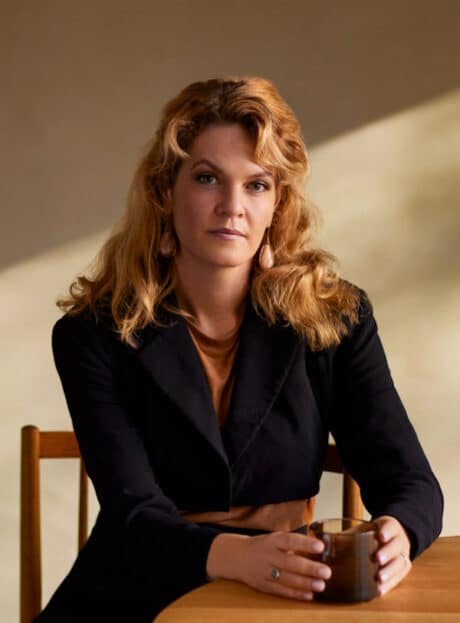
© Arenda de Hoop
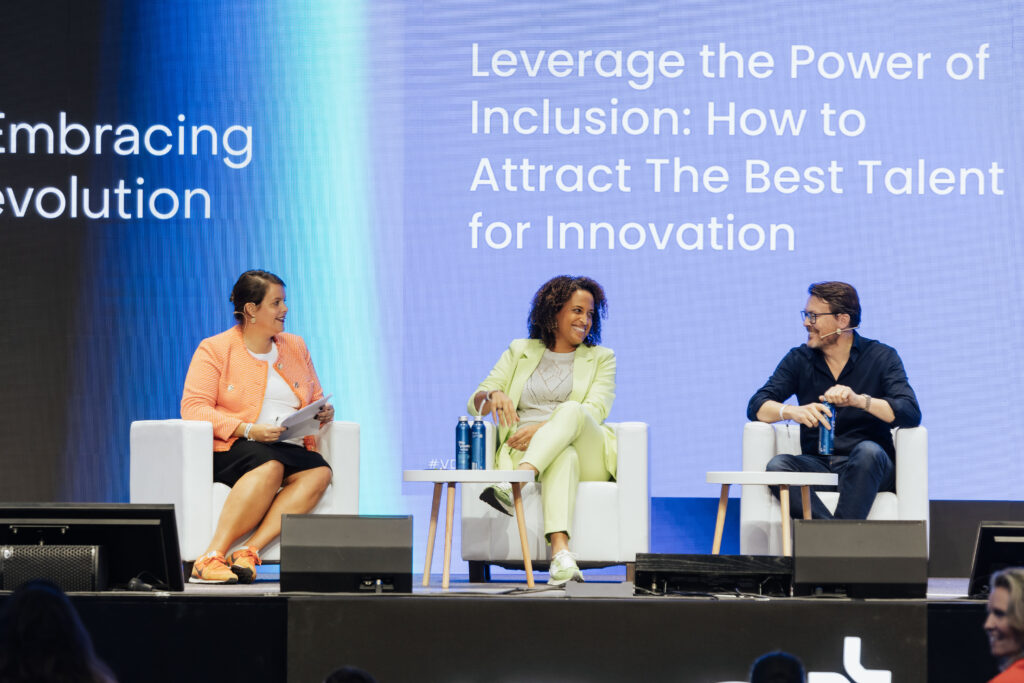
Ingrid Tappin is a leadership strategist, keynote speaker, and founder of Diverse Leaders in Tech, one of Europe’s fastest-growing leadership communities in the innovation sector.
Ingrid Tappin is a strategist and systems thinker with over a decade of experience working at the intersection of leadership, organisational change, and identity.
She is the founder of Diverse Leaders in Tech, a European leadership platform partnering with organisations such as Booking.com, Google, Just Eat Takeaway, Remote, and other international scale-ups and institutions. Through this work, she has supported hundreds of leaders navigating growth, inclusion, and transformation under real-world pressure.
Before founding her own ventures, Ingrid worked as a senior manager at Accenture in Talent & Organization and co-founded a SaaS start-up, giving her both corporate and entrepreneurial perspectives on leadership decision-making.
Alongside her entrepreneurial work, Ingrid has been affiliated with the NeuroLeadership Institute and as a guest lecturer at Nyenrode Business University. Her thinking is grounded equally in research and lived experience: sharp, human, and strategic, without slipping into activism or simplification.
Her forthcoming book, ‘Exceptionals: How to Turn Identity into Your Greatest Leadership Advantage’, introduces her framework to a broader audience and positions Identity Intelligence as a necessary evolution in leadership thinking.
Born in Barbados, raised in the United States, and educated in the Netherlands, Ingrid works internationally and is known for her ability to translate across cultures, systems, and leadership contexts.
Known for a speaking style that is intellectually sharp yet deeply human, Ingrid has a unique ability to challenge familiar assumptions without alienating the room.
Ingrid’s work is not about inclusion as an initiative. It is about leadership as capacity. The question she helps organisations answer is:
What kind of leadership does this moment require – and what intelligence are our current models failing to recognise?