

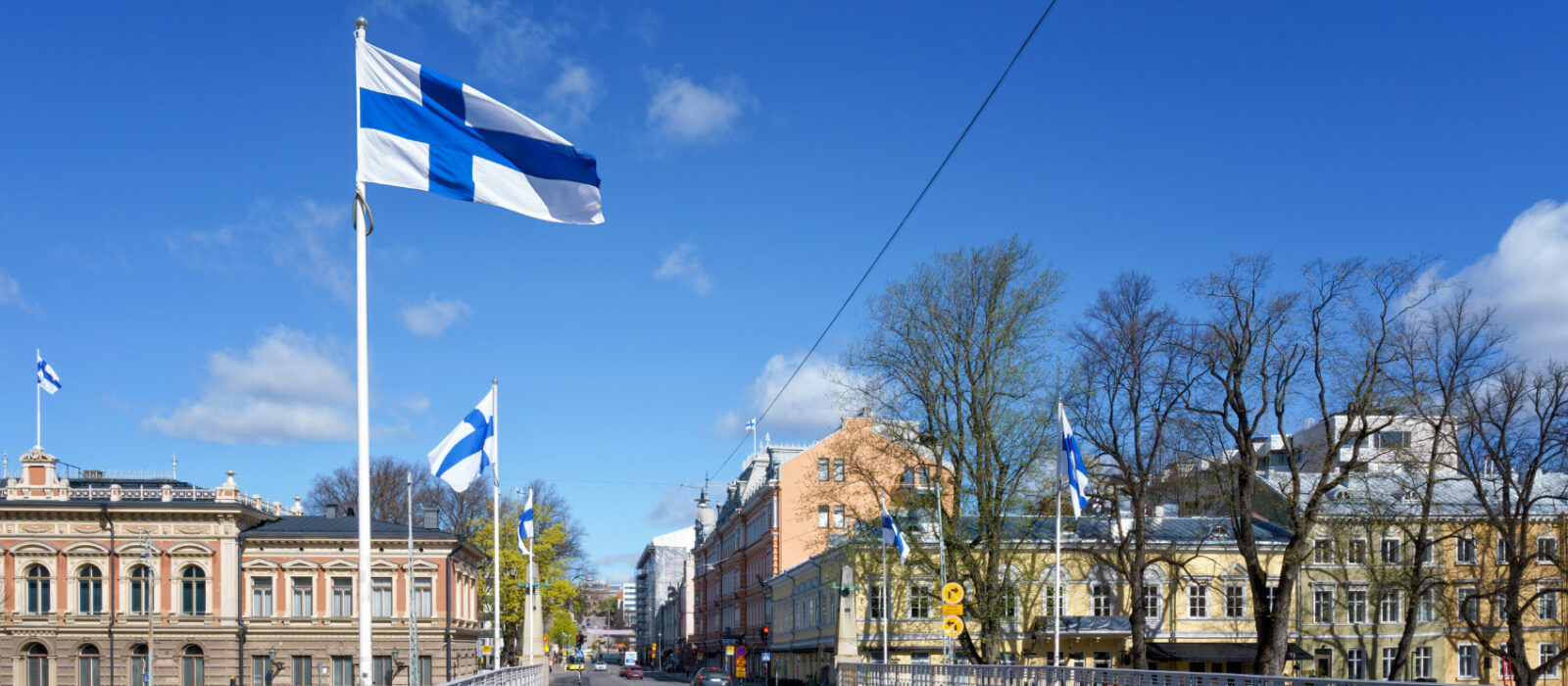
Why Is Finland the Happiest Country in the World?
Finland has been ranked the happiest country in the world for several years in a row. But what lies behind this success, and what can leaders learn from it? In this blog, Miia Huitti shares insights from the World Happiness Report and explains how trust, wellbeing and strong workplace cultures can help organisations thrive.

Miia Huitti
Finnish Happiness | Personal LeadershipWhat Leaders Can Learn from the World Happiness Report
Every year when the World Happiness Report is published, the same headline spreads across international media: Finland is the happiest country in the world.
For many international audiences this raises an interesting question: what can organisations and leaders learn from a country that consistently ranks at the top of global wellbeing rankings?
Because while the ranking is about societies, the same principles that support happiness at a societal level also apply to workplaces and leadership cultures.
The World Happiness Report Measures Life Satisfaction
One important thing to understand is that the World Happiness Report does not measure momentary joy or emotional excitement. Instead, it measures life satisfaction that is how people evaluate their lives overall.The key question behind the ranking is not: “How happy did you feel today?” But rather: “How satisfied are you with your life as a whole?”
For leaders this is an important distinction. Workplace wellbeing is not created through temporary motivation boosts or perks. It is built through everyday experiences that make employees feel that their work, environment and relationships are sustainable and meaningful over time.
The Finnish Secret: Trust
If I had to summarise the Finnish model of happiness in one word, it would be trust: trust that institutions work, that society is fair, that people generally follow the rules, and that help is available when life becomes difficult.
In workplaces, trust is equally fundamental. In many Finnish organisations, employees trust that taking parental leave, vacation or sick leave will not damage their careers. Leaders trust employees to manage their work responsibly. Hierarchies tend to be relatively flat, and communication is often direct.
Trust reduces fear, unnecessary control and constant self-protection. When people feel trusted, they can focus their energy on creativity, collaboration and problem solving instead of protecting themselves.
Happiness Does Not Mean a Perfect Workplace
Another common misunderstanding is that happiness means constant positivity. In reality, workplaces, just like societies, face pressure, change and uncertainty. Deadlines exist, difficult conversations happen and challenges arise.
However, research consistently shows that when employees experience psychological safety, fairness and support, they are better able to cope with stress and uncertainty. Happiness at work is about creating an environment where people feel supported while navigating the challenges that are inevitable.
Quiet Wellbeing at Work
Finnish happiness is often described as quiet. The same principle applies to workplaces because wellbeing at work is rarely created through grand gestures. Instead, it grows from everyday practices: leaders who listen, fair decision-making, realistic workloads, trust-based flexibility and respect for recovery and personal life. These seemingly small things create a culture where employees feel safe enough to contribute fully.
How Leaders Can Strengthen Happiness at Work
Many of the factors behind Finland’s happiness ranking are also relevant for organisational culture.
Leaders can strengthen wellbeing and sustainable happiness in their workplaces by focusing on:
- building trust and psychological safety
- ensuring fairness and transparency in decision making
- supporting work–life balance and recovery
- strengthening community and belonging at work
- recognising people as humans, not only resources
When employees feel respected, trusted and supported, they are more likely to bring their best energy and ideas to work.
Why Workplace Happiness Matters
Creating happier workplaces is a strategic goal.
Research shows that organisations with higher levels of wellbeing often experience:
- stronger engagement and motivation
- higher productivity and creativity
- lower burnout and turnover
- better collaboration and innovation
In other words, investing in wellbeing is often a key driver of performance
A Leadership Question
The World Happiness Report reminds us that happiness is not only an individual responsibility. It is also shaped by the environments we create together. For leaders, this raises an important question:
What kind of workplace culture are we building and how does it support the long-term wellbeing of the people who work there?
Many of the ingredients behind Finland’s happiness ranking are not unique to Nordic societies. They are principles that organisations everywhere can cultivate. And when leaders take wellbeing seriously, they create organisations where people and performance can truly thrive.
If you are interested in exploring what we can learn from the Nordic approach to wellbeing, resilience and sustainable happiness in workplaces and societies, I would be delighted to continue the conversation with your organisation.

Miia Huitti
Finnish Happiness | Personal LeadershipMiia Huitti is a stress management expert who has dedicated her career to helping individuals and...
Request quote View profile