À propos
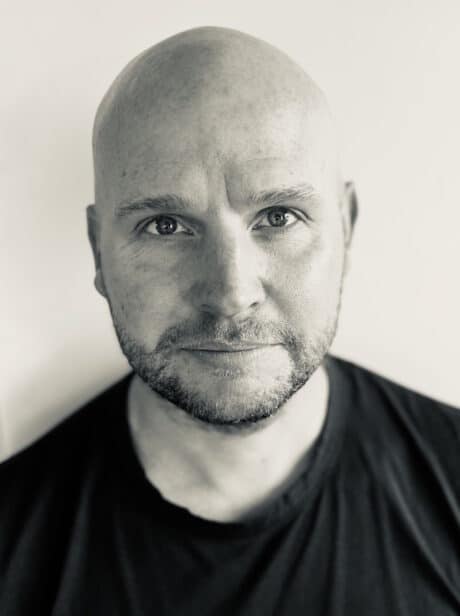
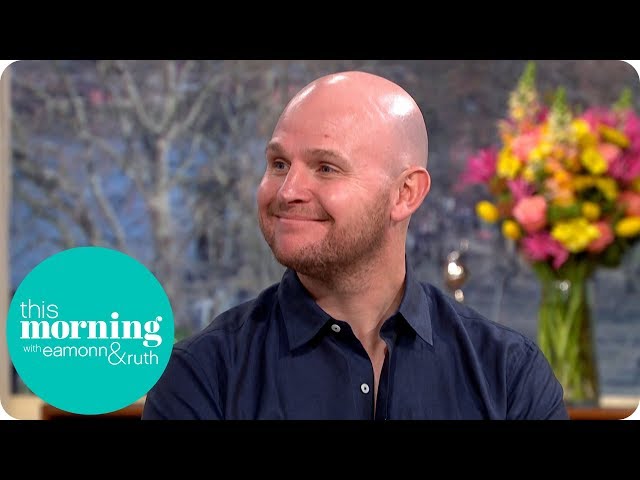
Chris Lemons
Chris Lemons est plongeur commercial depuis plus de 18 ans et se spécialise actuellement dans la plongée en saturation en haute mer, opérant presque exclusivement dans l’industrie pétrolière et gazière.
Cette forme de plongée hautement spécialisée implique de vivre dans les confines claustrophobes d’une chambre de décompression pendant jusqu’à 28 jours à la fois, en se rendant quotidiennement au fond de la mer dans une cloche de plongée, et en travaillant à des profondeurs allant jusqu’à 900 pieds pendant 6 heures à la fois.
En septembre 2012, une défaillance inattendue du système de positionnement dynamique du navire sous lequel il travaillait a entraîné la coupure complète de l’ombilical qui lui fournit gaz respiratoire, lumière et chaleur. Il a été laissé au fond de la mer, dans l’obscurité totale à 300 pieds sous la surface, avec seulement 5 minutes de gaz respiratoire qu’il avait dans les réservoirs d’urgence sur son dos, et aucun moyen de se protéger des températures glaciales.
Il a fallu plus de 40 minutes à ses sauveteurs héroïques pour revenir le chercher, et son histoire de survie miraculeuse a fasciné les experts depuis. Son histoire extraordinaire a ensuite été immortalisée dans le documentaire à succès de Netflix/BBC ‘Last Breath,’ une version de laquelle est actuellement en cours de développement en film hollywoodien avec Woody Harrelson, Simu Liu et Finn Cole.
Chris est né à Édimbourg, a grandi à Cambridge et vit maintenant dans le sud de la France avec sa partenaire et ses deux filles.
Chris est heureux d’adapter son discours pour s’aligner sur votre thème ou vos exigences spécifiques, ce qui peut inclure un accent sur l’aspect sécurité et les leçons tirées de l’accident, les éléments humains et émotionnels impliqués, ou une vue d’ensemble plus générique du monde de la plongée offshore et en saturation.
Chris peut vous offrir un aperçu du monde relativement méconnu de la plongée en saturation, où ceux qui y participent passent des semaines confinés dans une chambre de compression, tout en étant abaissés chaque jour dans une cloche de plongée vers les profondeurs troubles du fond de l’océan pour effectuer leur travail.
Il vous parlera également des événements qui ont précédé ce jour fatidique en 2012 et vous donnera un récit très personnel de ses pensées et actions lorsqu’il a été laissé bloqué à 300 pieds dans l’obscurité glaciale sans chaleur, sans lumière et avec seulement 5 minutes de gaz respiratoire, alors que ses sauveteurs étaient à plus de 40 minutes de pouvoir l’atteindre.
Chris offre un témoignage aigu, honnête et émotionnel de ce qui traverse l’esprit lorsqu’on semble compter les minutes avant la mort, et à quel point la réponse d’une personne à une telle situation peut être surprenante et révélatrice.
Il explore également avec précaution comment faire face à la mort peut recentrer l’esprit sur la vie, ainsi que vous forcer à contempler la nature très finie du temps ici sur terre. Chris discute également des raisons pratiques et physiologiques qui ont pu contribuer à sa survie miraculeuse.
Il va au-delà du miracle et communique comment le travail d’équipe, la préparation, la formation, les procédures, les exercices et la pratique ont joué un rôle énorme dans sa récupération et sa survie, et la manière dont ceux-ci sont mis en œuvre peut bénéficier à votre domaine de travail ou de vie.
Chris est également ravi de participer à des sessions de questions-réponses sur l’un des sujets mentionnés ci-dessus.
}
1. Leadership and Maintaining the Chain of Command
Chris can discuss how strong leadership plays a vital role in all spheres of the
work he does. From a robust chain of command, right through to individual
leadership whilst working on the ocean floors, Chris is able to share how
clear-cut but objective governance and accountability is key to the safe and
efficient running of complicated and inherently dangerous offshore subsea
operations. He can also describe how this same clear minded and well-
rehearsed structure of leadership played a pivotal role in saving his life, and
how you can use these methods to enhance the organisational culture within
your own place of work.
2. Crisis Management and Emergency Response
What happened to Chris is the very definition of a crisis, not only to him
personally, but to his crewmates and the reputation of the company he was
working for. Chris can discuss how detailed preparation, effective leadership,
an effective chain of command, and proper training and drills allowed the
team around him to remain calm under extreme pressure and fulfil the
miraculous rescue which saved his life.
3. Procedures and the Power of Drills and Practice
Chris works in a world where procedures, checklists, training and drills are
not just essential to the work he performs, but to the preservation of life
itself. He can communicate how these are used to allow him and his
colleagues to safely work and live in the dangerous environments of
compression chambers and the deep sea, but also how they played an
essential role in allowing his crew mates to act with the calm assurance
needed to pull him back from the brink of death.
4. Risk
Chris is able to discuss how, despite the inherent dangers involved with
working in such an extreme environment, the risks are calculated and
managed to make them acceptable. Identifying hazards, dynamic risk
assessments and management of change are fundamental in making what
could potentially be the most dangerous job on the planet, into what is
arguably the safest form of diving in the world. Chris can explain how this is
implemented, and how the lessons learned can apply to your sphere of work
or life.
5. Incident Investigation
Following Chris’ life-threatening incident, which would have profound
professional and personal implications for all involved had the rescue not
been affected, it was essential that a far reaching and detailed investigation
be conducted. Chris can recount the processes that the company went
through to ensure that this was not only completed in as comprehensive
manner as possible, but also in a fashion that was sensitive to the needs of
those involved, as well as managing and protecting the public image of the
company. This all culminated in a successful return to work just three weeks
later, with the company using the incident as an industry wide learning tool
and success story.
6. Resilience and Overcoming Adversity
The very nature of Chris’ work requires a character and mindset that is
resilient and attuned to overcoming adversity. The ocean floors are possibly
the most inhospitable working environments that this world has to offer, and
simply to commute there on a daily basis requires Chris and the team to
overcome numerous obstacles of both practical and psychological nature.
Chris can discuss how this resilience has been forged not only through
adversity, but by fostering a culture and mentality amongst the team which
allows them to problem solve quickly and calmly in difficult situations. He
can also describe how this resilience enabled the team to overcome extreme
pressure and the unknown to successfully carry out his rescue, and also to
return to work just three weeks later, and how this same mindset of
resilience can be applied to your sphere of work.
7. Teamwork and Workforce Diversity
Both Chris’ work, and his miraculous survival, rely heavily on the strength of
the teams he works within. From the three-man unit that ventures to the
depths for its working days, to the hundreds of colleagues supporting that
unit, above, onboard the vessel and ashore, their successes and failures are
very much defined by their ability to work cohesively as a team. Saturation
diving is a global enterprise that draws a broad range of characters together
from a wide range of ethnic, cultural and educational backgrounds. Chris can
discuss how these diverse teams are brought together to work towards their
very singular goals, and how this diversity works in their favour when
channelled and managed effectively. He will also relate how cohesive
teamwork played a crucial role in saving his life, when the crew aboard the
vessel came together to defy the overwhelming odds and extricate him from
a seemingly impossible situation.
8. Death
Chris’ extraordinary brush with death gave him an opportunity to
contemplate his own, seemingly imminent, mortality. He is able to share
how in accepting the inevitability of his own death in those final conscious
minutes on the seabed, he was able to find a state of calm and reflect on
what was most important in his life. The miracle of his subsequent survival
has given him an acute sense of what death really means, and he is able
reflect with audiences on how these insights are as important in life, as they
were when facing death.