Over
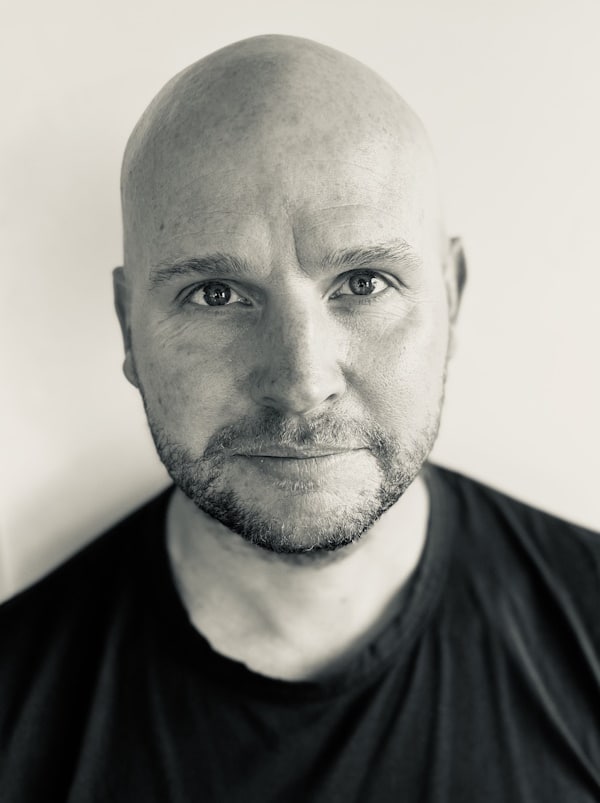
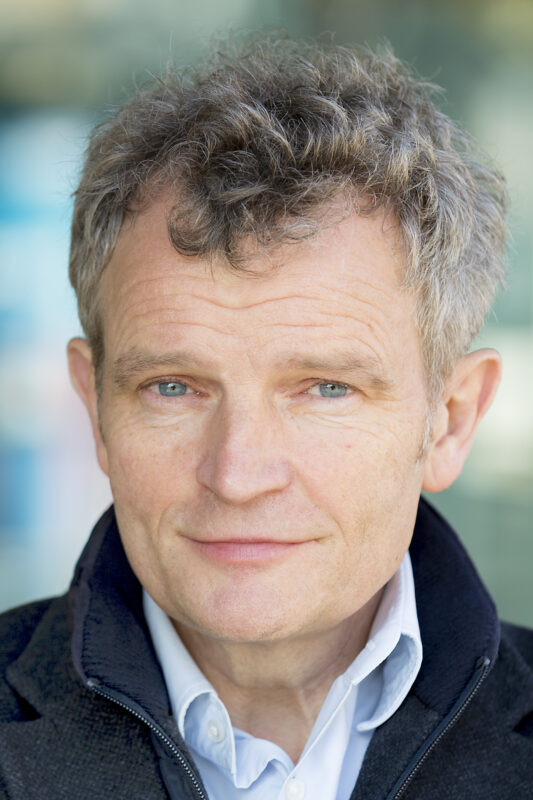
Chris Lemons
Chris Lemons is al meer dan 18 jaar commercieel duiker en is momenteel gespecialiseerd in diepzeeverzadigingsduiken, waarbij hij bijna uitsluitend in de olie- en gasindustrie opereert.
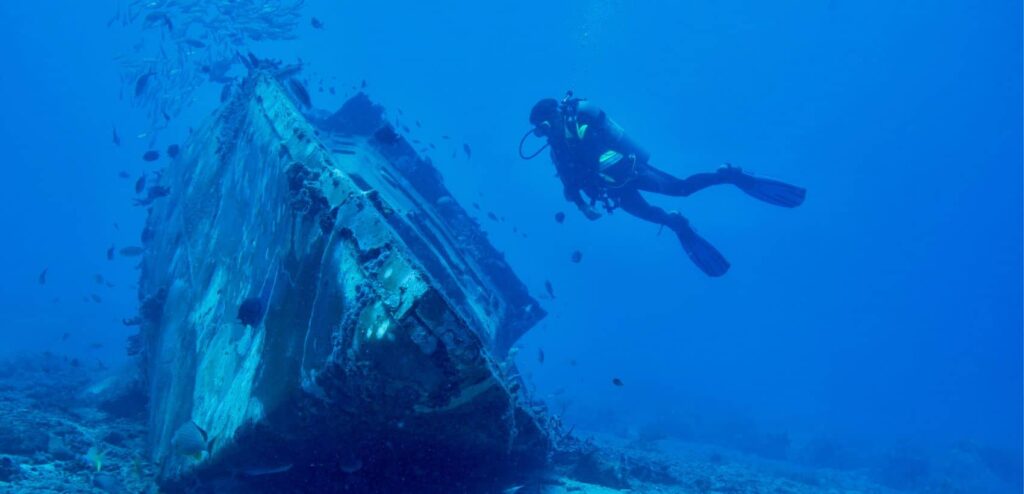
Deze zeer gespecialiseerde vorm van duiken houdt in dat men tot 28 dagen lang in de claustrofobische confines van een decompressiekamer leeft, dagelijks naar de zeebodem pendelt in een duikbel en op diepten van tot 900 voet werkt gedurende 6 uur per keer.
In september 2012 resulteerde een freakfout in het dynamische positioneringssysteem van het schip waar hij onder werkte, in het volledig doorsnijden van de umbilical die hem voorzag van ademgas, licht en warmte. Hij werd achtergelaten op de zeebodem, in complete duisternis 300 voet onder het oppervlak, met slechts 5 minuten ademgas in de noodtanks op zijn rug en zonder manier om zichzelf te beschermen tegen de vrieskou.
Het kostte zijn heroïsche redders meer dan 40 minuten om terug te komen en hem te halen, en zijn wonderbaarlijke overlevingsverhaal heeft sindsdien experts verbaasd. Zijn buitengewone verhaal werd vervolgens vereeuwigd in de hit Netflix/BBC-documentaire ‘Last Breath,’ waarvan een versie momenteel wordt ontwikkeld tot een Hollywoodfilm met Woody Harrelson, Simu Liu en Finn Cole.
Chris is geboren in Edinburgh, opgegroeid in Cambridge en woont nu in het zuiden van Frankrijk met zijn partner en twee dochters.
Chris is bereid zijn toespraak aan te passen aan uw specifieke thema of vereisten, wat kan inhouden dat hij zich richt op het veiligheidsaspect en de lessen die uit het ongeluk zijn geleerd, de menselijke en emotionele elementen die betrokken zijn, of een meer algemene overzicht van de offshore- en verzadigingsduikwereld.
Chris kan u inzicht geven in de relatief onbekende wereld van verzadigingsduiken, waar de betrokkenen wekenlang opgesloten zitten in een compressiekamer, terwijl ze elke dag in een duikbel naar de troebele diepten van de oceaanbodem worden neergelaten om hun werk te doen.
Hij zal u ook meenemen in de aanloop naar die fatale dag in 2012 en u een zeer persoonlijke weergave geven van zijn gedachten en acties toen hij 300 voet diep in de ijzige duisternis werd achtergelaten zonder warmte, zonder licht en met slechts 5 minuten gas om te ademen, terwijl zijn redders meer dan 40 minuten verwijderd waren van het kunnen bereiken van hem.
Chris biedt een acute, eerlijke en emotionele getuigenis van wat er door iemands hoofd gaat wanneer men schijnbaar de minuten tot de dood aftelt, en hoe verrassend en onthullend iemands reactie op een dergelijke situatie kan zijn.
Hij verkent ook voorzichtig hoe het onder ogen zien van de dood de geest kan focussen op het leven, evenals je kan dwingen om na te denken over de zeer eindige aard van tijd hier op aarde. Chris bespreekt ook de praktische en fysiologische redenen die mogelijk hebben bijgedragen aan zijn wonderbaarlijke overleving.
Hij gaat verder dan het wonder en communiceert hoe teamwork, voorbereiding, training, procedures, oefeningen en praktijk een grote rol hebben gespeeld in zijn herstel en overleving, en de manier waarop deze worden geïmplementeerd kan voordelig zijn voor uw werk- of levenssfeer.
Chris is ook verheugd om deel te nemen aan vraag- en antwoordsessies over een van de bovenstaande onderwerpen.
1. Leadership and Maintaining the Chain of Command
Chris can discuss how strong leadership plays a vital role in all spheres of the
work he does. From a robust chain of command, right through to individual
leadership whilst working on the ocean floors, Chris is able to share how
clear-cut but objective governance and accountability is key to the safe and
efficient running of complicated and inherently dangerous offshore subsea
operations. He can also describe how this same clear minded and well-
rehearsed structure of leadership played a pivotal role in saving his life, and
how you can use these methods to enhance the organisational culture within
your own place of work.
2. Crisis Management and Emergency Response
What happened to Chris is the very definition of a crisis, not only to him
personally, but to his crewmates and the reputation of the company he was
working for. Chris can discuss how detailed preparation, effective leadership,
an effective chain of command, and proper training and drills allowed the
team around him to remain calm under extreme pressure and fulfil the
miraculous rescue which saved his life.
3. Procedures and the Power of Drills and Practice
Chris works in a world where procedures, checklists, training and drills are
not just essential to the work he performs, but to the preservation of life
itself. He can communicate how these are used to allow him and his
colleagues to safely work and live in the dangerous environments of
compression chambers and the deep sea, but also how they played an
essential role in allowing his crew mates to act with the calm assurance
needed to pull him back from the brink of death.
4. Risk
Chris is able to discuss how, despite the inherent dangers involved with
working in such an extreme environment, the risks are calculated and
managed to make them acceptable. Identifying hazards, dynamic risk
assessments and management of change are fundamental in making what
could potentially be the most dangerous job on the planet, into what is
arguably the safest form of diving in the world. Chris can explain how this is
implemented, and how the lessons learned can apply to your sphere of work
or life.
5. Incident Investigation
Following Chris’ life-threatening incident, which would have profound
professional and personal implications for all involved had the rescue not
been affected, it was essential that a far reaching and detailed investigation
be conducted. Chris can recount the processes that the company went
through to ensure that this was not only completed in as comprehensive
manner as possible, but also in a fashion that was sensitive to the needs of
those involved, as well as managing and protecting the public image of the
company. This all culminated in a successful return to work just three weeks
later, with the company using the incident as an industry wide learning tool
and success story.
6. Resilience and Overcoming Adversity
The very nature of Chris’ work requires a character and mindset that is
resilient and attuned to overcoming adversity. The ocean floors are possibly
the most inhospitable working environments that this world has to offer, and
simply to commute there on a daily basis requires Chris and the team to
overcome numerous obstacles of both practical and psychological nature.
Chris can discuss how this resilience has been forged not only through
adversity, but by fostering a culture and mentality amongst the team which
allows them to problem solve quickly and calmly in difficult situations. He
can also describe how this resilience enabled the team to overcome extreme
pressure and the unknown to successfully carry out his rescue, and also to
return to work just three weeks later, and how this same mindset of
resilience can be applied to your sphere of work.
7. Teamwork and Workforce Diversity
Both Chris’ work, and his miraculous survival, rely heavily on the strength of
the teams he works within. From the three-man unit that ventures to the
depths for its working days, to the hundreds of colleagues supporting that
unit, above, onboard the vessel and ashore, their successes and failures are
very much defined by their ability to work cohesively as a team. Saturation
diving is a global enterprise that draws a broad range of characters together
from a wide range of ethnic, cultural and educational backgrounds. Chris can
discuss how these diverse teams are brought together to work towards their
very singular goals, and how this diversity works in their favour when
channelled and managed effectively. He will also relate how cohesive
teamwork played a crucial role in saving his life, when the crew aboard the
vessel came together to defy the overwhelming odds and extricate him from
a seemingly impossible situation.
8. Death
Chris’ extraordinary brush with death gave him an opportunity to
contemplate his own, seemingly imminent, mortality. He is able to share
how in accepting the inevitability of his own death in those final conscious
minutes on the seabed, he was able to find a state of calm and reflect on
what was most important in his life. The miracle of his subsequent survival
has given him an acute sense of what death really means, and he is able
reflect with audiences on how these insights are as important in life, as they
were when facing death.