Über
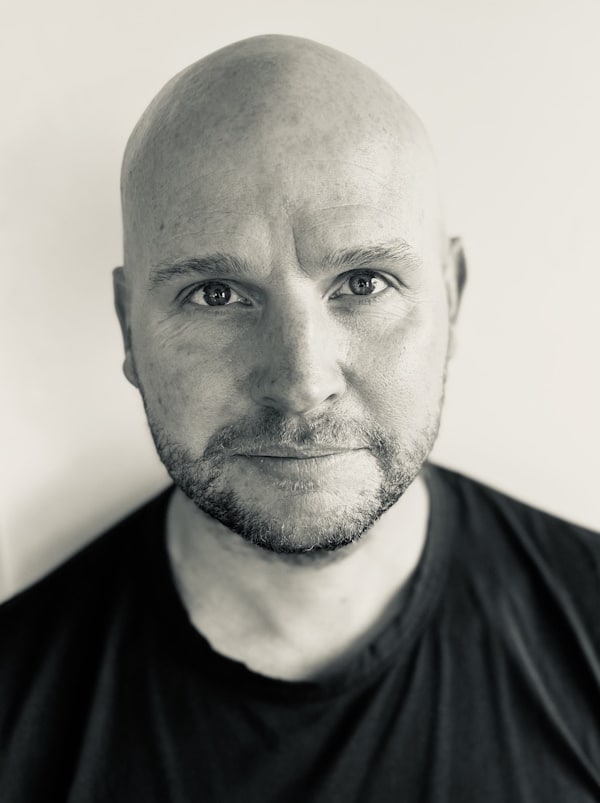
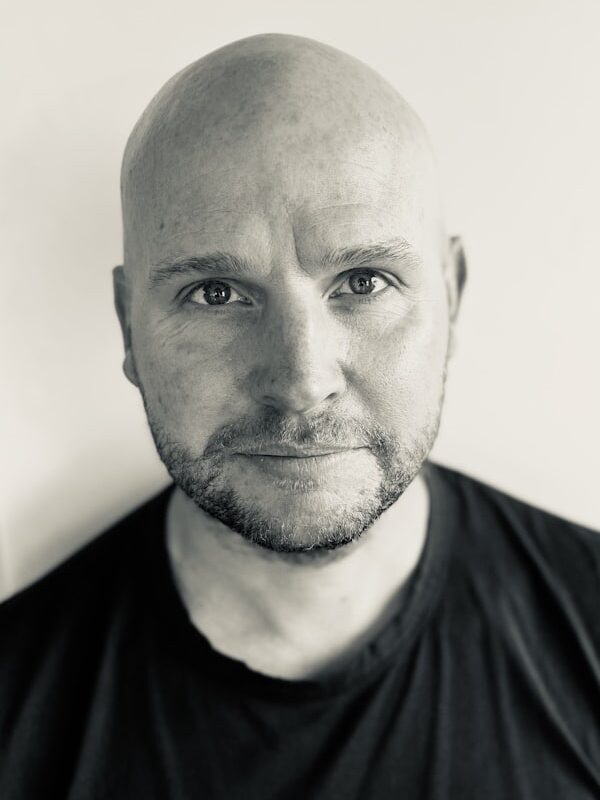
Chris Lemons
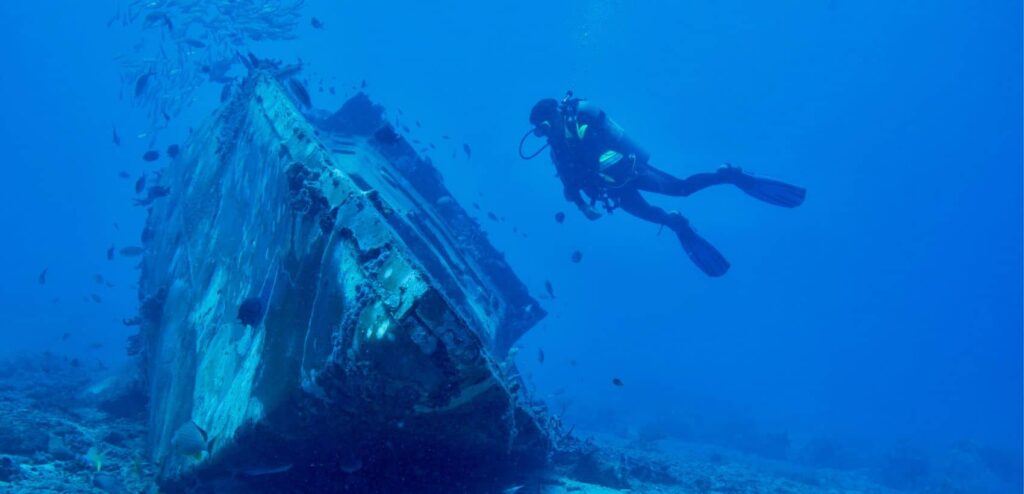
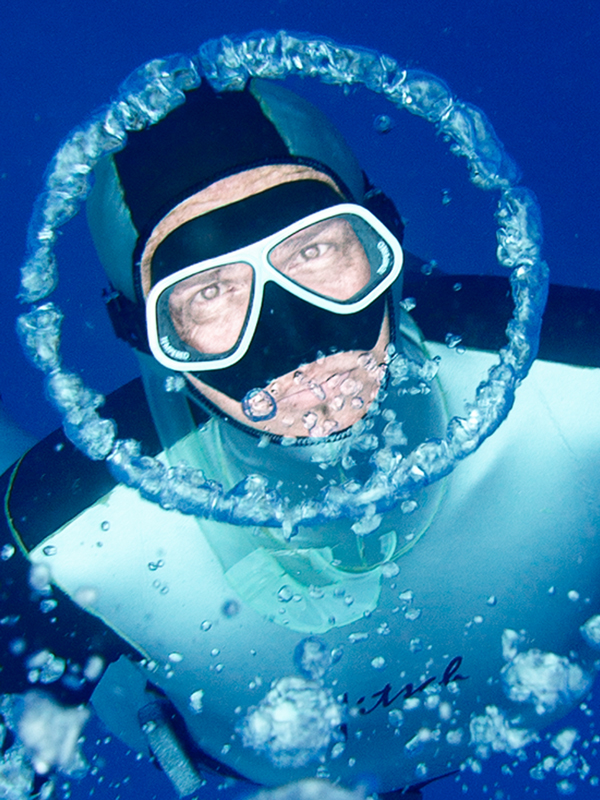
Chris Lemons ist seit über 18 Jahren kommerzieller Taucher und spezialisiert sich derzeit auf das Sättigungstauchen in tiefen Gewässern, wobei er fast ausschließlich in der Öl- und Gasindustrie tätig ist.
Diese hochspezialisierte Form des Tauchens beinhaltet das Leben in den klaustrophobischen Grenzen einer Dekompressionskammer für bis zu 28 Tage am Stück, das tägliche Pendeln zum Meeresboden in einer Tauchglocke und das Arbeiten in Tiefen von bis zu 900 Fuß für jeweils 6 Stunden.
Im September 2012 führte ein plötzlicher Ausfall des dynamischen Positionierungssystems des Schiffes, unter dem er arbeitete, dazu, dass das Umbilical, das ihm Atemgas, Licht und Wärme liefert, vollständig abgerissen wurde. Er wurde auf dem Meeresboden, in völliger Dunkelheit 300 Fuß unter der Oberfläche, zurückgelassen, mit nur 5 Minuten Atemgas, das er in den Notfalltanks auf seinem Rücken hatte, und ohne Möglichkeit, sich vor den eisigen Temperaturen zu schützen.
Seine heldenhaften Retter benötigten über 40 Minuten, um zurückzukommen und ihn zu holen, und seine wunderbare Überlebensgeschichte hat seitdem Experten beschäftigt. Seine außergewöhnliche Geschichte wurde anschließend in der erfolgreichen Netflix/BBC-Dokumentation ‘Last Breath,’ verewigt, von der derzeit eine Hollywood-Verfilmung mit Woody Harrelson, Simu Liu und Finn Cole in Arbeit ist.
Chris wurde in Edinburgh geboren, wuchs in Cambridge auf und lebt jetzt mit seiner Partnerin und zwei Töchtern im Süden Frankreichs.
Chris ist bereit, seine Ansprache an Ihr spezifisches Thema oder Ihre Anforderungen anzupassen, die möglicherweise den Sicherheitsaspekt und die aus dem Unfall gelernten Lektionen, die menschlichen und emotionalen Elemente oder einen allgemeineren Überblick über die Offshore- und Sättigungstauchwelt umfassen.
Chris kann Ihnen Einblicke in die relativ unbekannte Welt des Sättigungstauchens geben, in der die Beteiligten wochenlang in einer Kompressionskammer eingeschlossen sind, während sie jeden Tag in einer Tauchglocke in die trüben Tiefen des Meeresbodens abgelassen werden, um ihre Arbeit zu verrichten.
Er wird Ihnen auch den Verlauf zu jenem schicksalhaften Tag im Jahr 2012 schildern und Ihnen einen sehr persönlichen Bericht über seine Gedanken und Handlungen geben, als er 300 Fuß tief in der eisigen Dunkelheit gestrandet war, ohne Wärme, ohne Licht und nur noch 5 Minuten Gas zum Atmen, während seine Retter über 40 Minuten entfernt waren, um zu ihm zu gelangen.
Chris bietet ein scharfes, ehrliches und emotionales Zeugnis darüber, was einem durch den Kopf geht, wenn man scheinbar die Minuten bis zum Tod zählt, und wie überraschend und aufschlussreich die eigene Reaktion auf eine solche Situation sein kann.
Er erkundet auch vorsichtig, wie das Angesicht des Todes den Geist auf das Leben fokussieren kann und einen zwingt, über die sehr begrenzte Natur der Zeit hier auf Erden nachzudenken. Chris diskutiert auch die praktischen und physiologischen Gründe, die zu seinem wunderbaren Überleben beigetragen haben könnten.
Er geht über das Wunder hinaus und kommuniziert, wie Teamarbeit, Vorbereitung, Training, Verfahren, Übungen und Praxis eine große Rolle in seiner Genesung und seinem Überleben gespielt haben, und wie diese umgesetzt werden können, um Ihrer Arbeits- oder Lebenssphäre zugutekommen.
Chris freut sich auch, an Frage- und Antwortsitzungen zu einem der oben genannten Themen teilzunehmen.
}
1. Leadership and Maintaining the Chain of Command
Chris can discuss how strong leadership plays a vital role in all spheres of the
work he does. From a robust chain of command, right through to individual
leadership whilst working on the ocean floors, Chris is able to share how
clear-cut but objective governance and accountability is key to the safe and
efficient running of complicated and inherently dangerous offshore subsea
operations. He can also describe how this same clear minded and well-
rehearsed structure of leadership played a pivotal role in saving his life, and
how you can use these methods to enhance the organisational culture within
your own place of work.
2. Crisis Management and Emergency Response
What happened to Chris is the very definition of a crisis, not only to him
personally, but to his crewmates and the reputation of the company he was
working for. Chris can discuss how detailed preparation, effective leadership,
an effective chain of command, and proper training and drills allowed the
team around him to remain calm under extreme pressure and fulfil the
miraculous rescue which saved his life.
3. Procedures and the Power of Drills and Practice
Chris works in a world where procedures, checklists, training and drills are
not just essential to the work he performs, but to the preservation of life
itself. He can communicate how these are used to allow him and his
colleagues to safely work and live in the dangerous environments of
compression chambers and the deep sea, but also how they played an
essential role in allowing his crew mates to act with the calm assurance
needed to pull him back from the brink of death.
4. Risk
Chris is able to discuss how, despite the inherent dangers involved with
working in such an extreme environment, the risks are calculated and
managed to make them acceptable. Identifying hazards, dynamic risk
assessments and management of change are fundamental in making what
could potentially be the most dangerous job on the planet, into what is
arguably the safest form of diving in the world. Chris can explain how this is
implemented, and how the lessons learned can apply to your sphere of work
or life.
5. Incident Investigation
Following Chris’ life-threatening incident, which would have profound
professional and personal implications for all involved had the rescue not
been affected, it was essential that a far reaching and detailed investigation
be conducted. Chris can recount the processes that the company went
through to ensure that this was not only completed in as comprehensive
manner as possible, but also in a fashion that was sensitive to the needs of
those involved, as well as managing and protecting the public image of the
company. This all culminated in a successful return to work just three weeks
later, with the company using the incident as an industry wide learning tool
and success story.
6. Resilience and Overcoming Adversity
The very nature of Chris’ work requires a character and mindset that is
resilient and attuned to overcoming adversity. The ocean floors are possibly
the most inhospitable working environments that this world has to offer, and
simply to commute there on a daily basis requires Chris and the team to
overcome numerous obstacles of both practical and psychological nature.
Chris can discuss how this resilience has been forged not only through
adversity, but by fostering a culture and mentality amongst the team which
allows them to problem solve quickly and calmly in difficult situations. He
can also describe how this resilience enabled the team to overcome extreme
pressure and the unknown to successfully carry out his rescue, and also to
return to work just three weeks later, and how this same mindset of
resilience can be applied to your sphere of work.
7. Teamwork and Workforce Diversity
Both Chris’ work, and his miraculous survival, rely heavily on the strength of
the teams he works within. From the three-man unit that ventures to the
depths for its working days, to the hundreds of colleagues supporting that
unit, above, onboard the vessel and ashore, their successes and failures are
very much defined by their ability to work cohesively as a team. Saturation
diving is a global enterprise that draws a broad range of characters together
from a wide range of ethnic, cultural and educational backgrounds. Chris can
discuss how these diverse teams are brought together to work towards their
very singular goals, and how this diversity works in their favour when
channelled and managed effectively. He will also relate how cohesive
teamwork played a crucial role in saving his life, when the crew aboard the
vessel came together to defy the overwhelming odds and extricate him from
a seemingly impossible situation.
8. Death
Chris’ extraordinary brush with death gave him an opportunity to
contemplate his own, seemingly imminent, mortality. He is able to share
how in accepting the inevitability of his own death in those final conscious
minutes on the seabed, he was able to find a state of calm and reflect on
what was most important in his life. The miracle of his subsequent survival
has given him an acute sense of what death really means, and he is able
reflect with audiences on how these insights are as important in life, as they
were when facing death.