About
Laurens Waling
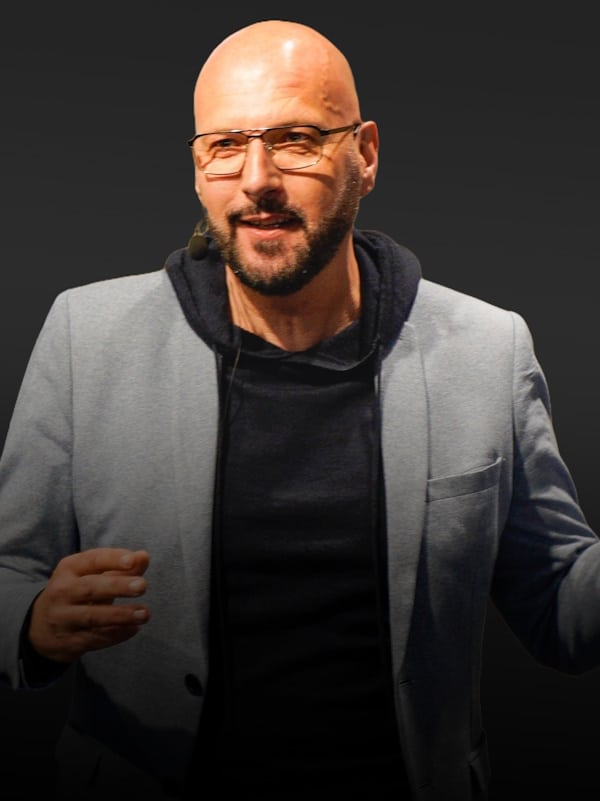
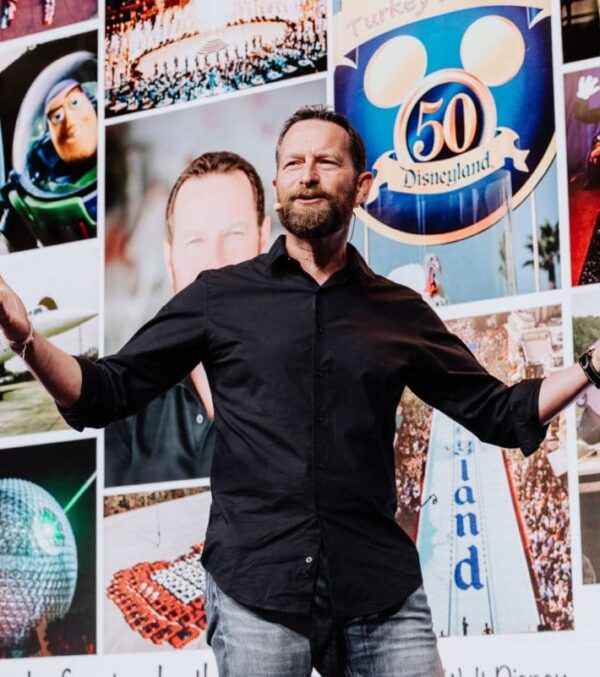
Laurens Waling is a keynote speaker, moderator, and change expert who makes the future of work visible and manageable. He shows how organizations can get people and work moving in a time of AI, scarcity, and continuous change.
Laurens studied public administration and intervention science, combining his background in change management with over twenty years of experience in technology, organizational change, and entrepreneurship. He worked as a consultant on complex change processes and later founded Part-up, a pioneering platform for skills-based collaboration and job crafting. With this, he helped organizations to organize work differently and deploy talent more flexibly, beyond fixed roles and structures.
Currently, Laurens is Chief Evangelist at 8vance, a Dutch-German high-tech scale-up in the field of AI-driven skills-based matching and talent intelligence. From this practice, he works daily with organizations in healthcare, government, industry, education, and services on issues related to labor market scarcity, internal mobility, lateral entry, and development. He demonstrates why traditional role and CV thinking falls short and how skills, learning ability, and context create new opportunities for growth and movement.
What sets Laurens apart is that he always connects technology with behavior and leadership. His lectures are not only about what is changing, but especially about how to engage people. About personal leadership in change, mobilizing groups, and organizing work in a way that aligns with what people can and want to contribute. In his lectures, he combines content with interaction, often working with reflection questions or short exercises, and for more extensive processes, also with preparatory surveys among participants, break-outs, and a concise advisory report afterward.
Change does not begin with systems, but with inspired people who feel seen and start to move.
On stage, Laurens is energetic, sharp, and interactive. No abstract future stories, but recognizable situations, practical interventions, and concrete points of reference to start making changes yourself. His message is clear: the future of work requires not only new technology but especially different choices in how we collaborate, learn, and lead.
1. The Future of Work: From Roles to Agility
The labour market is running at full speed, but organisations are getting stuck. Not because there is no talent, but because work is still organised around fixed roles, silos, and outdated assumptions.
In this lecture, Laurens shows why the classic role and CV thinking is increasingly ineffective in a world where tasks change faster than organisational structures. He connects labour market developments, AI, skills-based organising, and organisational change into one clear narrative.
Topics covered include:
- why labour market tightness is often an organisational issue
- what changes at the task level instead of the role level
- how AI makes the difference between classic matching and true talent mobility
- how leaders can organise agility without creating chaos
Participants receive strategic direction and practical language to conduct internal conversations differently.
Suitable for: executives, board members, HR directors, policymakers, management teams.
2. AI in Organisations: From Hype to Decision-Making Power
AI is often discussed in terms of opportunities or risks. Laurens makes it concrete: what does AI actually mean for work, decision-making, and talent management?
He clearly explains the difference between various forms of AI, such as:
- classic keyword matching
- generic AI that is good at language but not at labour market structures
- specialist AI trained on millions of labour market data and skills relationships
But technology is never the endpoint. The real question is: what choices must leaders make when AI provides insights into skills gaps, internal mobility, and talent potential?
This lecture offers:
- clear distinction between hype and reality
- insight into AI compliance, transparency, and the impact of the EU AI Act
- practical examples from healthcare, government, and corporate organisations
- concrete first steps for responsible use of AI in HR and organisational development
For organisations that want to move beyond experimentation and act strategically.
Suitable for: C-level, HR, recruitment, innovation and transformation teams.
3. Personal Leadership and Group Dynamics in Change
Change rarely fails due to strategy. It fails due to behaviour.
From his background in intervention science and change management, Laurens shows what really happens in organisations during transition. Why resistance is logical. Why holding onto control often blocks movement. And why leadership in change begins with the ability to tolerate uncertainty.
Themes in this lecture:
- how to mobilise groups without forcing support
- how to organise movement without regulating everything
- how to create psychological safety during technological change
- how to take yourself as a leader through transition
- and how to use AI to support this change
This session touches both head and heart and reveals what plays beneath the surface.
Suitable for: leadership teams, management teams, programme and change teams.
4. Skills-Based Organising: Making Talent Visible and Utilised
Why is the labour market brimming with talent, yet organisations still experience scarcity?
Laurens shows how organisations leave hidden potential untapped by clinging to roles and diplomas as selection criteria. He provides insight into how skills intelligence and AI can help to:
- accelerate internal mobility
- enable lateral entry
- make skills gaps visible
- directly link learning paths to work
With practical examples from healthcare institutions, public organisations, and corporates, he demonstrates how skills-based organising is not an HR project but a strategic movement.
Participants receive concrete tools to start small without overhauling the entire role structure.
Suitable for: HR, talent development, recruitment, workforce planning, board.
5. From Strategy to Movement: Interventions That Truly Work
Many organisations have vision, policy, and PowerPoint. But how does real movement occur?
In this lecture, Laurens connects change management principles to technological innovation. No blueprint, but interventions that work in complex organisations.
Topics covered include:
- how to use small experiments to initiate system change
- why transparency is often more powerful than control
- how to discuss talent mobility without political resistance
- how data can be used to make conversations more open instead of defensive
This is a session for organisations that know something needs to happen but are looking for the right entry point.
Suitable for: strategic programmes, transformation teams, innovation initiatives.
6. AI, Labour, and Societal Value
Technology changes not only organisations but also societies.
Laurens connects AI, the labour market, inclusivity, and policy. He shows how skills-based matching can contribute to:
- fairer opportunities in the labour market
- more transparent decision-making
- better regional collaboration
- talent ecosystems where employers, education, and government collaborate
This lecture is strategic and societal in nature, without becoming abstract.
Suitable for: public organisations, policymakers, sector initiatives, regional collaborations.