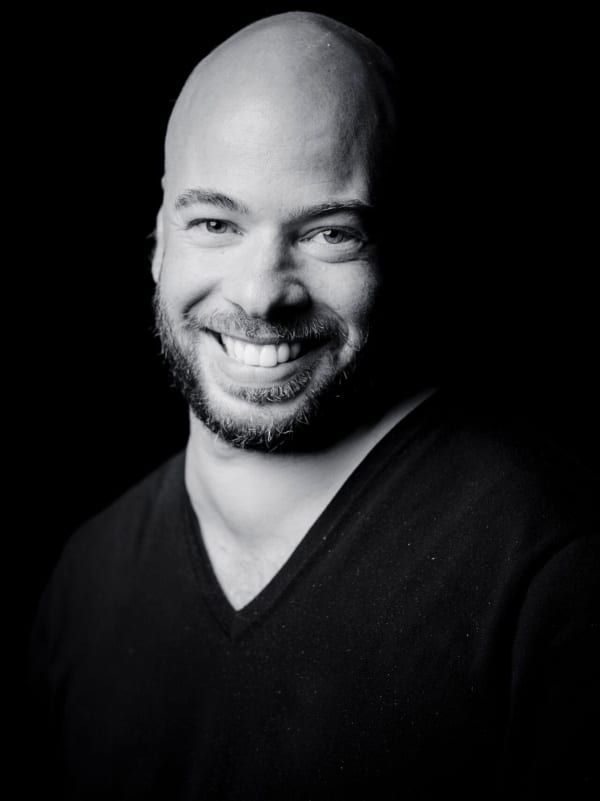
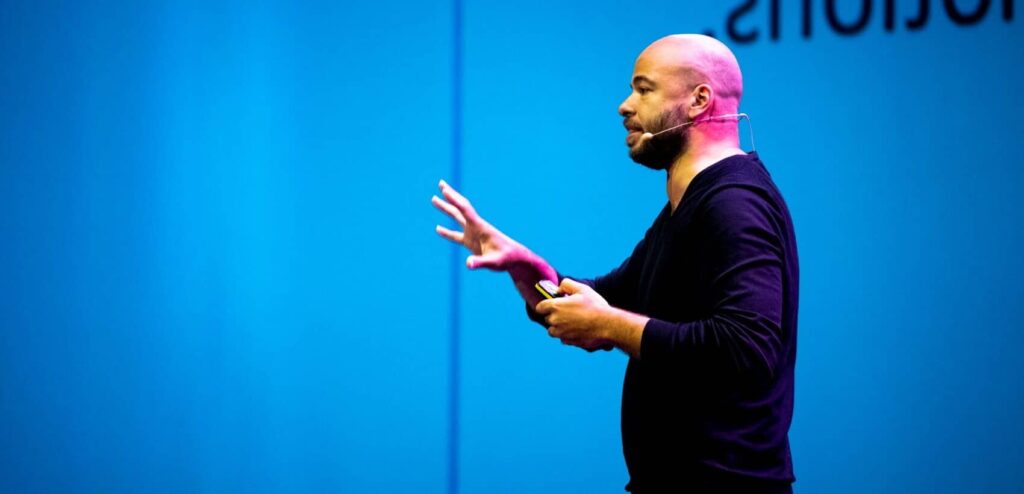
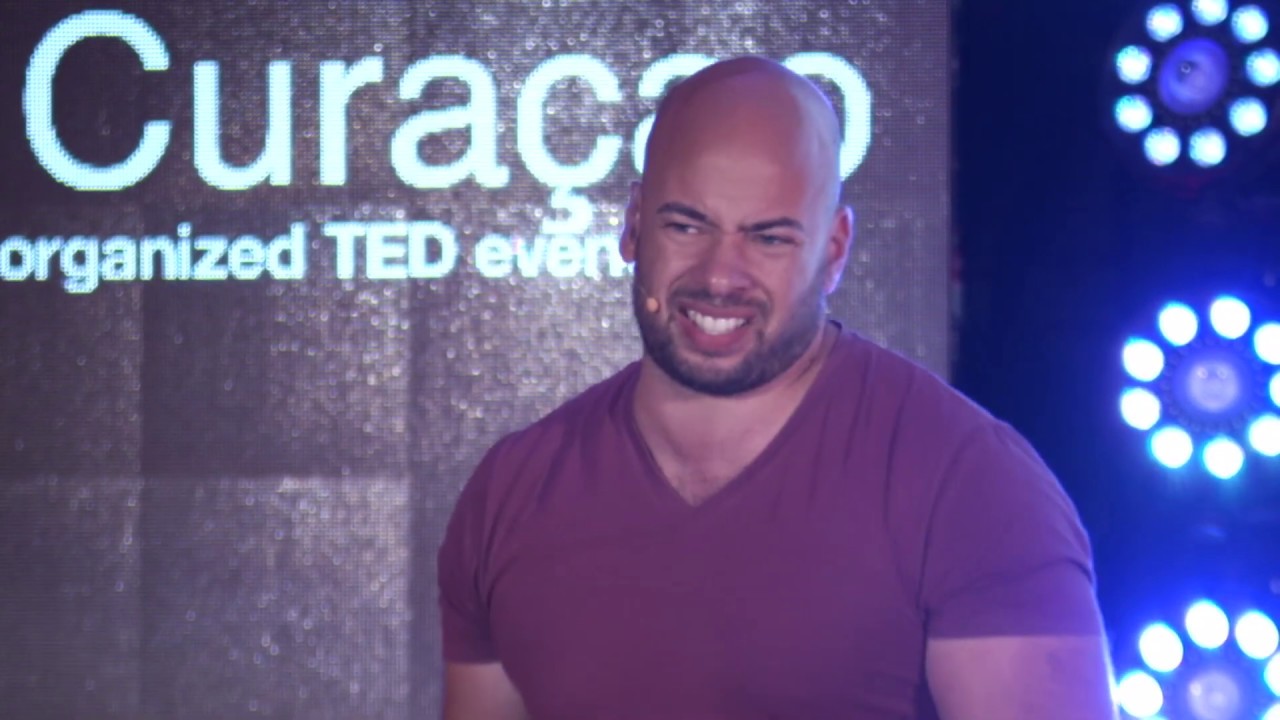
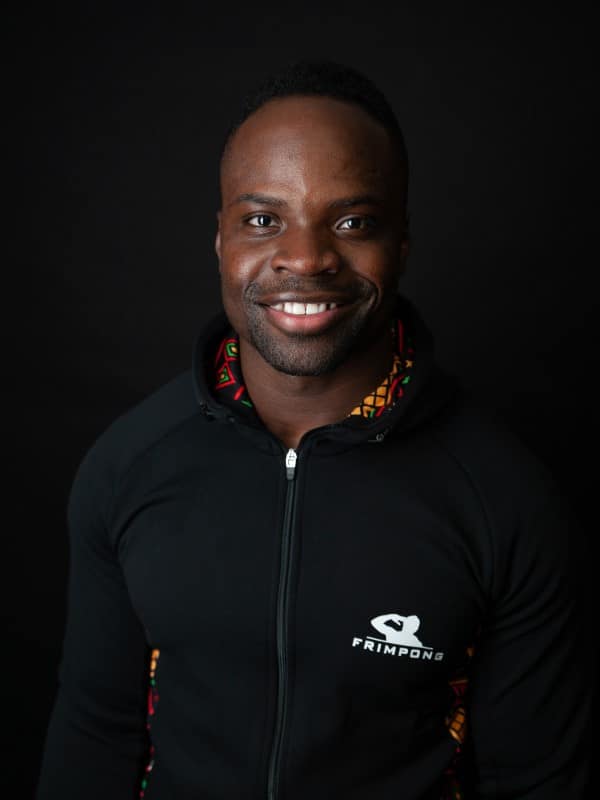
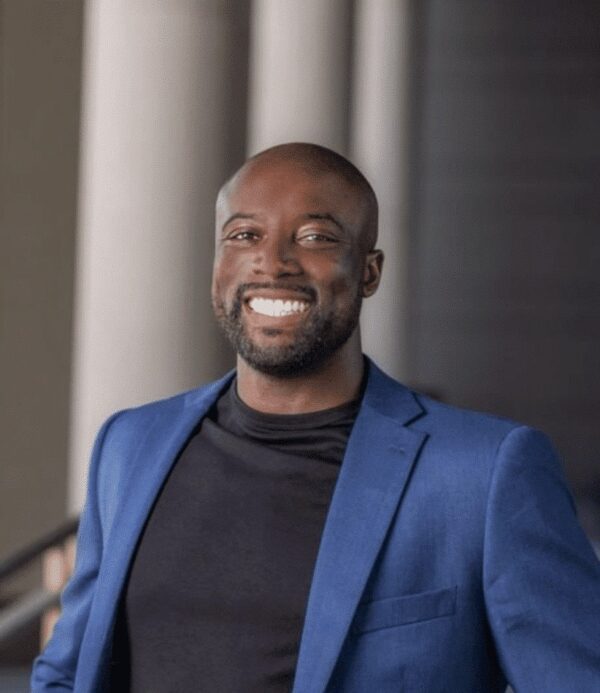
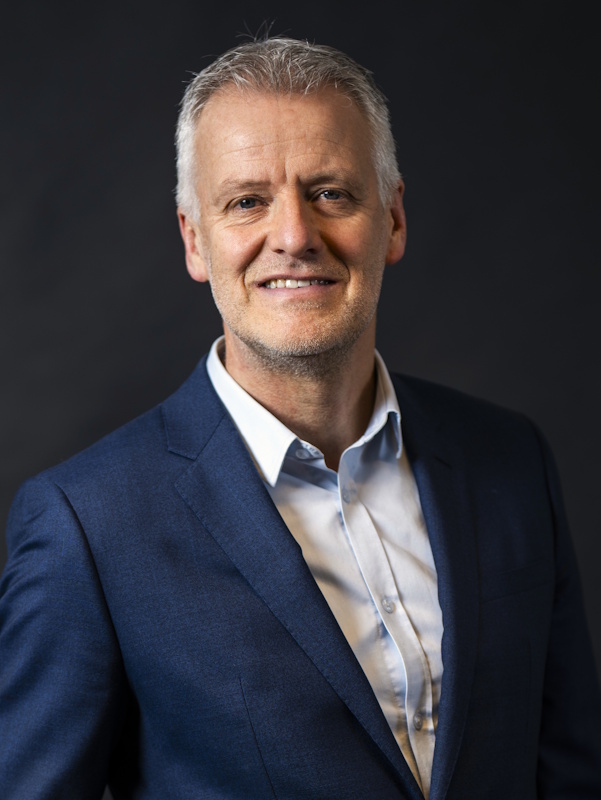
Steven Coutinho is a highly sought-after keynote speaker and organizational coach in the field of diversity and inclusion and organizational change.
Steven Coutinho is a highly sought-after keynote speaker and organizational coach in the field of diversity and inclusion (D&I) and organizational change. In his energetic and interactive presentation style, Steven guides your organization in changing human and group behavior against the backdrop of the evolution of our brain and our emotions.
Using the latest insights from evolutionary psychology and consciousness, Steven provides tools to organizations that want to work differently with each other internally – by looking at each other in a new way. In short, Steven focuses on the awareness of ‘why we do what we do’ so that people can look beyond ‘color’, ‘gender’, or [label] and take action. The result is that people become more aware of their conditioning, discrimination decreases, creativity is unleashed, and organizations transform more rapidly.
Steven has worked for over 12 years at the C-level in various banks, most recently as CEO of the largest bank in Suriname. In that role, he played a significant part in the protests against the Bouterse government, which ultimately led to its loss in 2020 (New York Times, NRC and BNR). He has now started an Agora (secondary) school in Curaçao to educate a new generation of young people who take ownership of their own learning process – without waiting for others. Previously, Steven was responsible for the transformation of the largest Canadian bank in the Caribbean (Royal Bank). He has also served as an economic advisor to several governments and as a strategy consultant in Europe.
Steven has spent his entire life searching for the origins of behavior and choices. After a long spiritual quest, he found insight in Vipassana meditation: in silence, he realized that choices come from the stories that explain how “I” relates to “you.” In his book ‘Breaking Rank: How to lead change when yesterday’s stories limit today’s choices‘ (2018), he explains the evolution of our brain, where emotions come from, and how to regulate them to make more effective choices. He emphasizes the stories of ‘I’ and ‘they’ that not only influence choices within organizations but also ethnic groups and entire societies.
His favorite quote is from Zen Buddhist Alan Watts:
I don’t know who I am unless I know who you are and you don’t know who you are unless you know who I am. If I am I because you are you and you are you because I am I then I am not I and you are not you.
In other words, we are not separate.