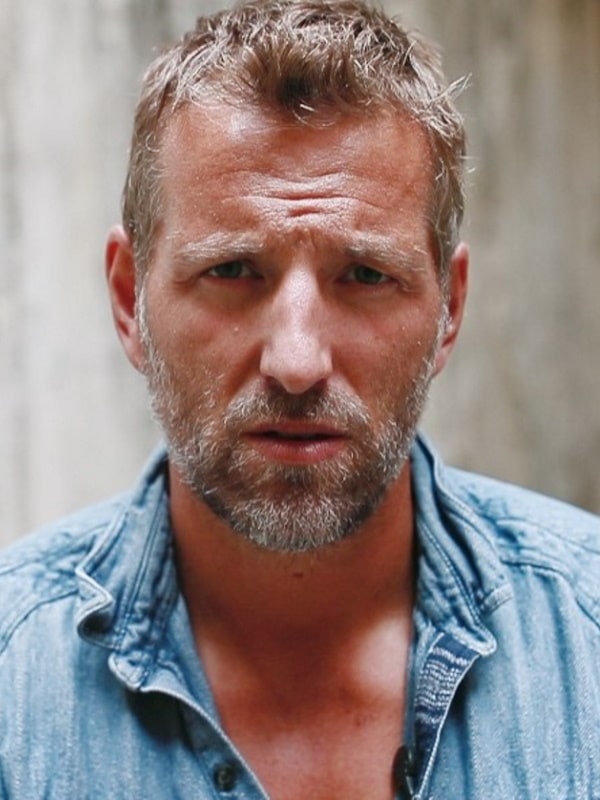
Stan van Pelt is a science journalist. He enjoys providing insight into the fascinating yet sometimes inscrutable world of science. About the role of power, competition, money, and other perverse incentives.
Stan van Pelt is a science journalist. As a PhD neuroscientist with fifteen years of research experience, he writes extensively about new scientific discoveries, but also about the darker sides of the academic world, such as fraud.
As a freelancer, he publishes in newspapers including the Volkskrant, magazines like Vrij Nederland, and university publications. At the Nijmegen-based Vox, he was the science editor for many years. He also conducts energetic writing workshops for STEM professionals, including as a part-time lecturer at Radboud University and within the Science Journalism program of Stichting SCW.
In 2020, Stan won the VWN Gouden Beitel, the award for the best science journalism story, with an article about how grants can make or break a scientist’s career. It was published in the Nijmegen university magazine Vox. In 2021, this story won third place at the European Science Journalist of the Year Award.
Stan also writes books. At the end of 2023, he published Hack Your Brain (New Scientist/Veen Media), about how brain technology enables new treatments for brain diseases and even forms of thought reading. In September 2025, his latest book, Sloppy Science, was released. In this book, Stan discusses numerous forms of scientific misconduct: from selective shopping of measurement results to outright data fabrication. He describes how fraud detectives uncover problems, how mistakes are only grudgingly admitted, and how quality controls fall short. Fortunately, it seems that something is shifting.
As a speaker, Stan van Pelt enjoys providing insight into the fascinating yet sometimes inscrutable world of science. About the role of power, competition, money, and other perverse incentives, and how these can conflict with the reliability of research results. Plus, not to forget the severe societal and medical consequences this can sometimes have, and the role journalism plays in this.
But Stan also enjoys giving lectures on brain research: in what ways can scientists nowadays literally look inside our heads, with scanners and electrodes – and what exciting insights does that yield? How can paralyzed patients, thanks to new technology, control wheelchairs, speech computers, or even their own legs with just their thoughts?
Finally, Stan van Pelt is available for workshops on science communication. With inspiring practical assignments, he teaches scientists and other experts how to convey their substantive knowledge in an understandable and engaging way to a broader audience. Think of writing an opinion piece for the newspaper, a popular science article for a magazine, or giving a presentation for a public event or grant application.