©Walter Kallenbach
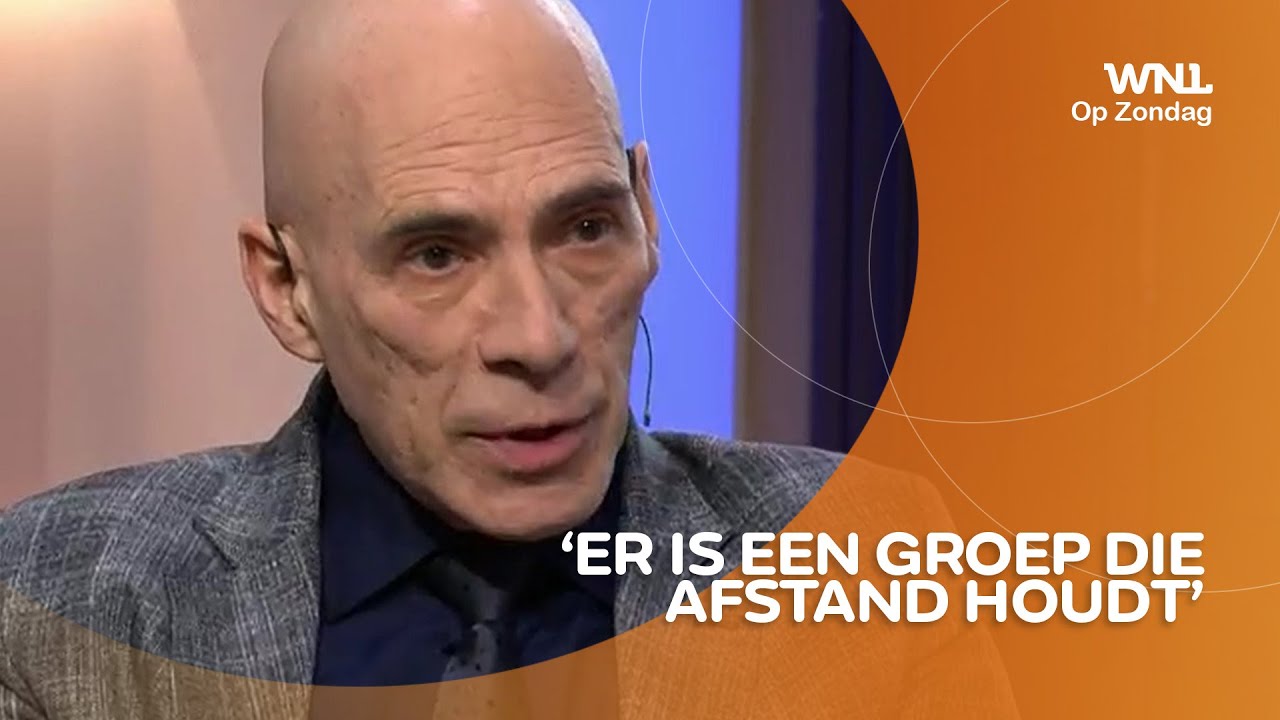
Jan Latten is known as a demographer at the University of Amsterdam and as a former anchor of the CBS. His experience in researching social and demographic trends makes him a sought-after expert in the media. In his presentations, he uses understated humor to provide his audience with a clear ...
Jan Latten is known as a demographer at the University of Amsterdam and as a former anchor of the CBS. His experience in researching social and demographic trends makes him a sought-after expert in the media. In his presentations, he uses understated humor to provide his audience with a clear vision of societal developments. He candidly shows the role they themselves play in this. Recently, De Volkskrant labeled him as the country’s most famous demographer.
His inaugural lecture, Pregnant with Segregation, made front-page news in 2005. In Love à la Carte, published in 2007, he interpreted demographic events for the general public. With the report The New Growth Calls Shrinkage, he brought regional population decline to the attention of then-Minister Van der Laan in 2009. Nowadays, he focuses more on essays in newspapers or magazines including Elsevier or columns on Stadszaken.nl. His call to reflect on population growth – in an essay in Elsevier from September 2018 – was extensively discussed in the House of Representatives. He draws connections between our changing life course and the future. Latten is a regular guest on the Radio1 program Spraakmakers.
Jan Latten is an emeritus professor of Demography and former chief demographer of the Central Bureau of Statistics (CBS). He researches trends in household and family formation and interprets the social and spatial consequences of this. He explicitly operates at the intersection of social and demographic foresight. In his recent book ‘NO PANIC love and happiness in the 21st century’, he explains why more than ever, people will live alone. Security will increasingly be sought in new living and lifestyle forms.
In his presentations, Jan Latten focuses on the changing zeitgeist: the rise of the big I, flexibility in the life course, the emergence of super couples, increasing existential insecurity for those left behind and Millennials, the significance of aging, and the changing housing demand in general. Trends such as urbanization, demographic decline, segregation, and increasing contrasts are unraveled.
}