About
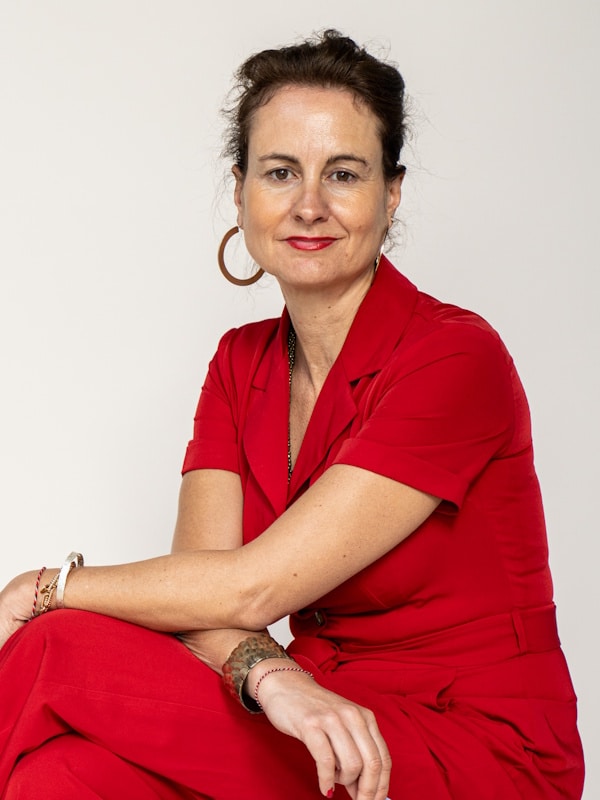
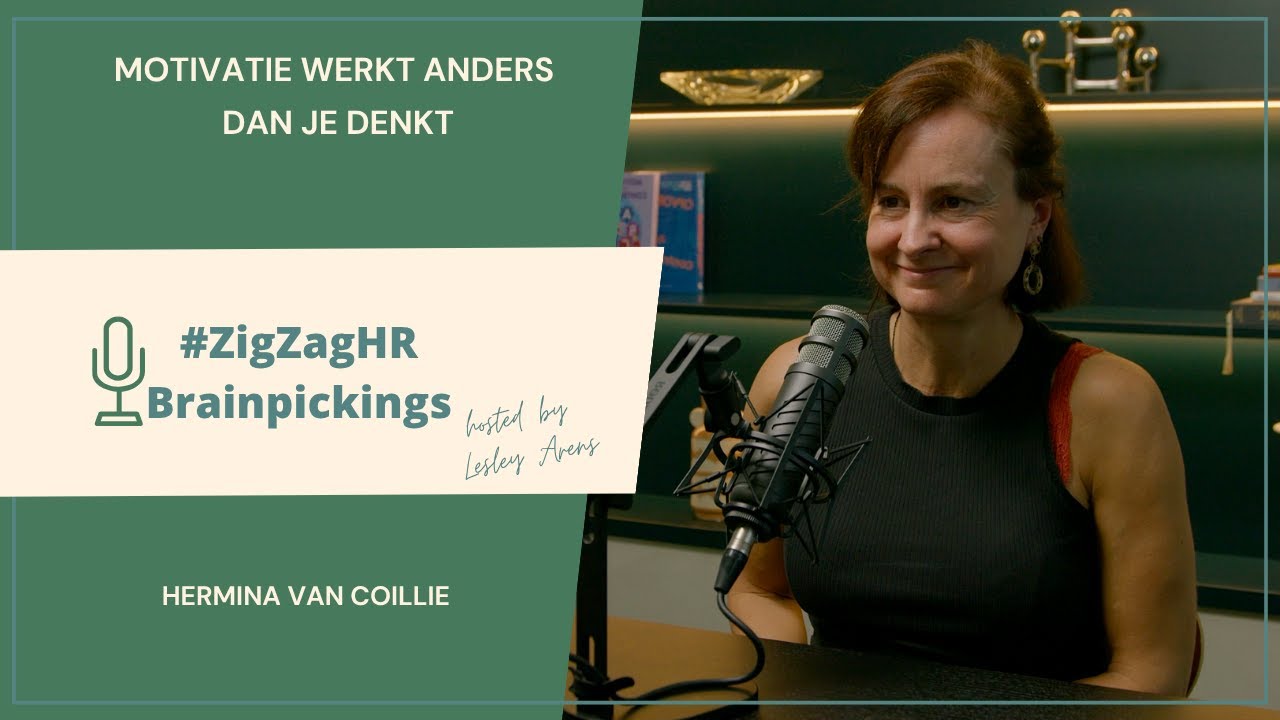
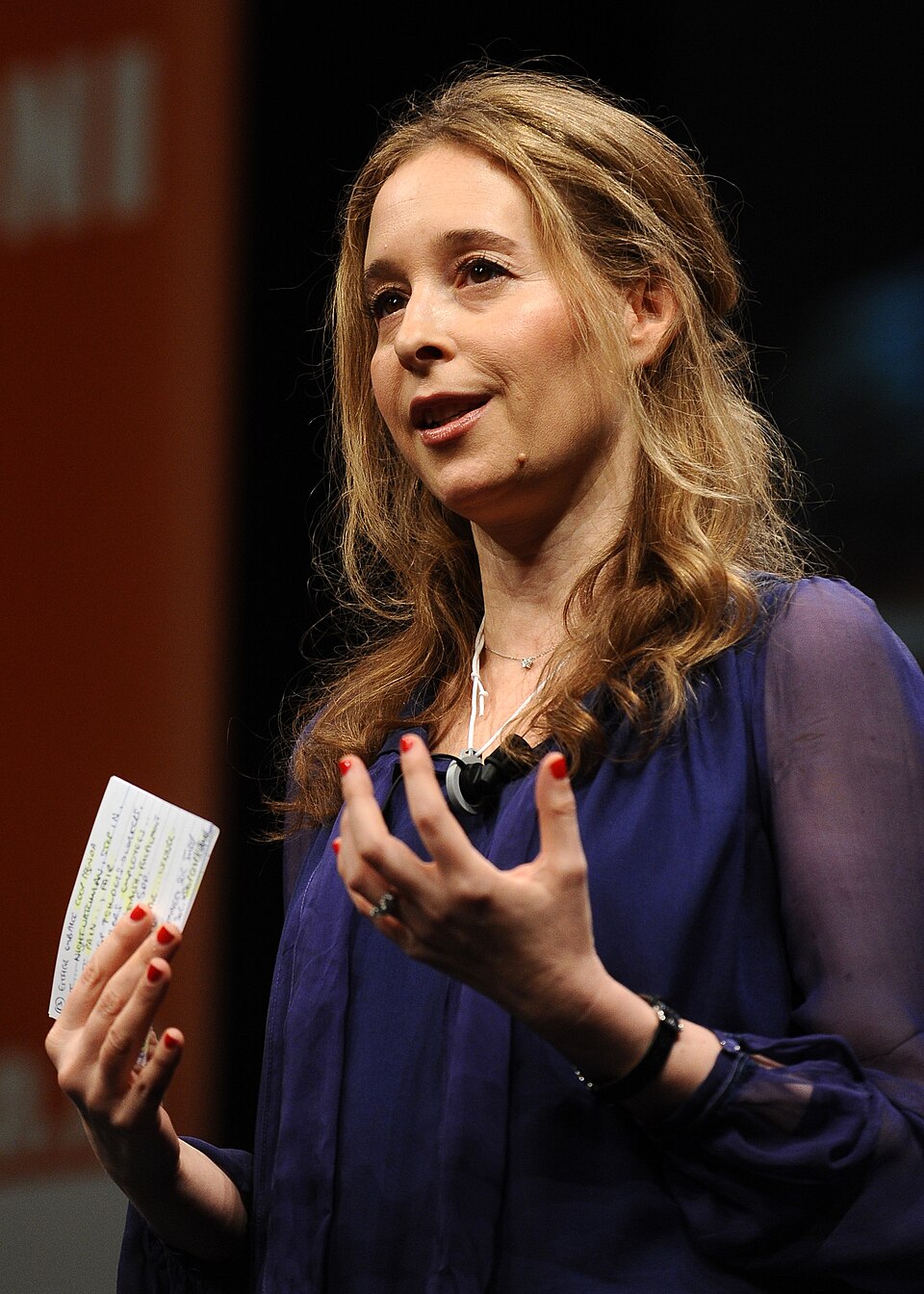
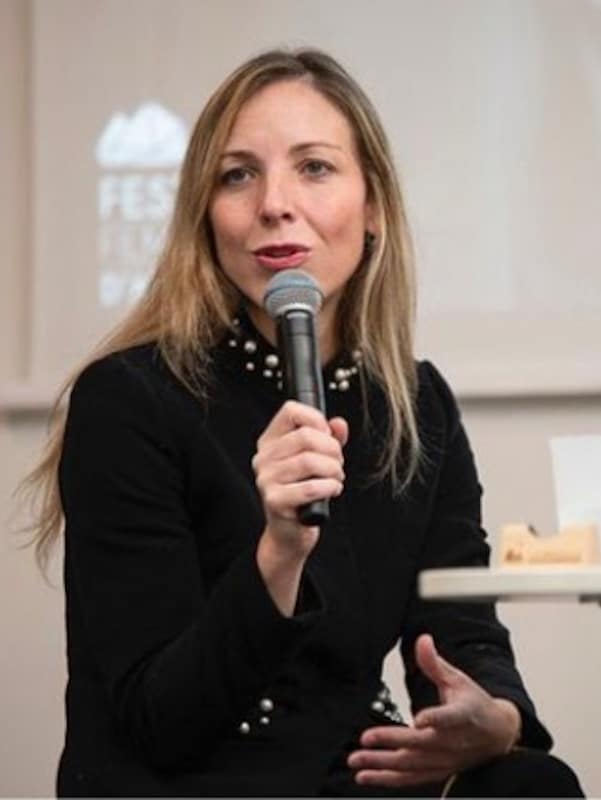
Hermina van Coillie
Hermina Van Coillie is a keynote speaker who speaks her mind. She puts an end to hollow slogans about motivation and shows organizations how to truly bring motivation to life.
With a PhD in psychology, she worked for many years as a postdoctoral researcher at KU Leuven. She then transitioned to the corporate world, where she conducted groundbreaking research as an HR Research Expert at Securex on the impact of motivation on absenteeism, burnout, performance, and turnover. International studies confirm what she and others have shown: every euro you invest in High Quality motivation yields at least three in return.
Today, Hermina combines that scientific expertise with practice. She is a bridge builder who translates complex theory into confronting insights, relatable stories, and practical tools that can be applied immediately. Organizations do not book her for a ‘feel good’ moment, but for lasting change that becomes visible in behavior, collaboration, and results.
After years of academic research and corporate experience, Hermina discovered that people do not truly gain energy from control, pressure, or external rewards, but from trust, growth, autonomy, and competence. Today, she translates those insights into powerful keynotes and international workshops that help leaders and teams build cultures where people want to contribute, learn, achieve top performance, and fully flourish.
Every job can be made meaningful – if you dare to rewrite the code of motivation.
She has written two books: Motivating Without Controlling (now translated into three languages and nearing its fifth edition) and Parenting Without Controlling. With these, she proves that the same principles work in the workplace and in families.
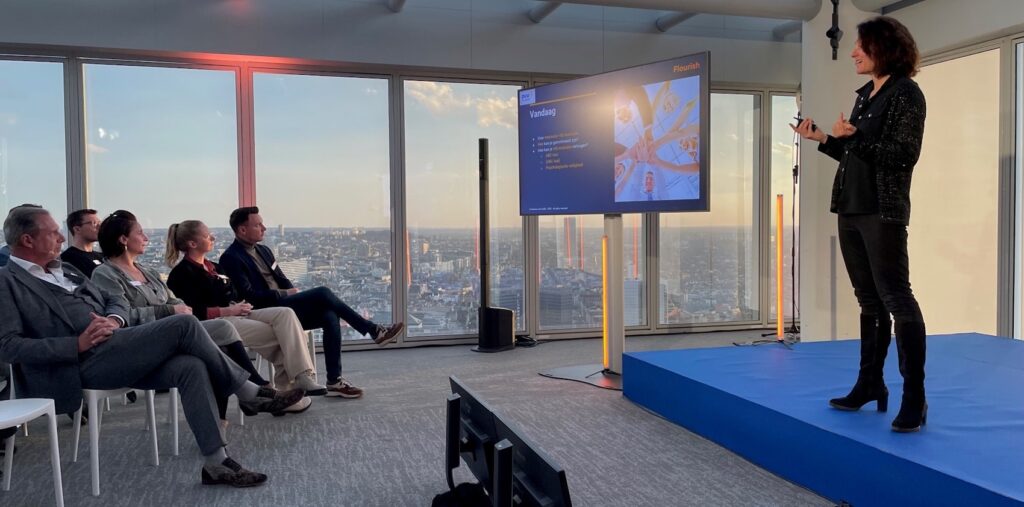
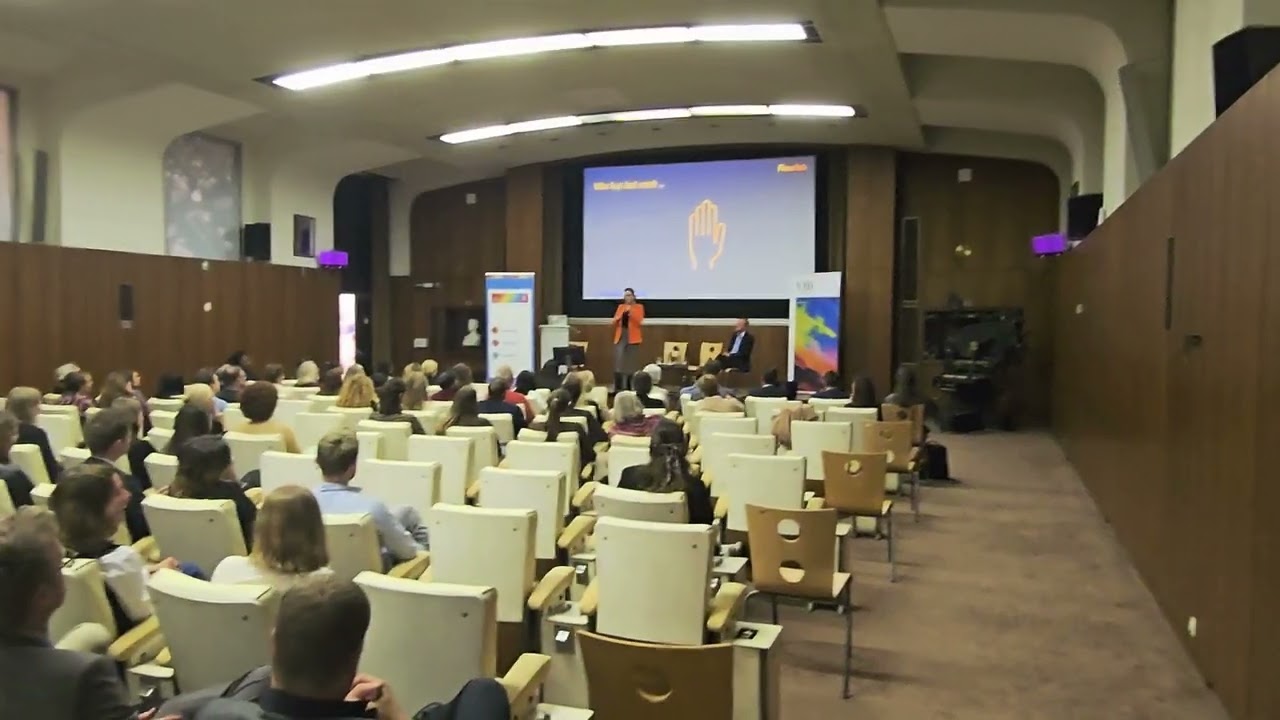
Hermina’s keynotes are not casual inspirational talks. They are practical, transformative, and confronting. They not only make you think about themes but truly get you moving! She brings top research to life with relatable stories and concrete tools that you can apply immediately. Her style is both warm and sharp, deeply engaged, and always challenging. Organizations do not book Hermina for an hour of inspiration, but for lasting change – visible in behavior, collaboration, and results.
1. Motivating without controlling
How do you enhance performance without pressure, bonuses, or micromanagement?
Many organisations feel it: the pressure is increasing, complexity is rising, but the classic reflexes, such as applying more pressure, tighter control, or adding yet another bonus, no longer work. Employees might still do what is required, but they take less initiative, speak less freely, contribute less, and disengage more quickly.
Meanwhile, you want better results, more responsibility, less absenteeism, and fewer people leaving.
In her keynote “Motivating without controlling,” motivation expert Dr. Hermina Van Coillie shows how to move from pushing and pulling (Low Quality Motivation) to motivation that actually works: High Quality Motivation.
Based on the Self-Determination Theory – one of the most influential motivation theories of this century – she translates the magical code of motivation (ABC) into very concrete situations in leadership, HR, and daily team operations. Research shows that every euro invested in High Quality Motivation yields an average of more than three euros.
This keynote is ideal for executive teams, HR, and managers (and their teams) who are ready to enhance performance without extra pressure, but with the right motivation!
2. Psychological safety without soft nonsense
How do you achieve better results when people dare to doubt and speak up (against)
Many organisations claim to value open communication and trust, but on the work floor, you often see something different: people do not dare to give (real) feedback, they hide their mistakes, keep critical thoughts to themselves, and play it safe instead of thinking along.
The figures on stress, absenteeism, and turnover speak for themselves.
In her keynote on psychological safety, motivation expert Dr. Hermina Van Coillie demonstrates the impact of a safe (versus an unsafe) work environment, and more importantly, what you can do to increase psychological safety!
Based on solid science (including psychological safety and the Self-Determination Theory), she teaches which reflexes undermine that safety: subtle control, penalising mistakes, unclear boundaries, unsafe leadership. Then she shows with her Safety Check how to create a climate step by step where people dare to say what is happening, report mistakes early, and discuss difficult matters.
This keynote is ideal for executive teams, HR, and managers who understand that psychological safety is not an “extra,” but a prerequisite for quality, innovation, and mentally healthy employees.
3. Dear colleague, stop complaining!
How do you get teams out of the victim mentality?
Every organisation knows them: the colleague who keeps complaining, sighing, and pointing fingers at others. Deadlines are unrealistic, projects too heavy, clients too demanding, managers too exacting. The result? A negative atmosphere that drains energy, undermines collaboration, and sinks performance.
But… those “complaining colleagues” are not just troublesome – they are a sign of low quality motivation.
Complaining is more than just grumbling. It reinforces the victim role, reduces ownership, and spreads demotivation like an oil slick through the team. Innovation comes to a halt, collaboration disappears, and the focus shifts from solutions to problems. Instead of taking responsibility, people prefer to pass it on. For leaders and colleagues, that is paralysing. The whole team operates below its potential.
After this keynote, you will break this pattern. With scientifically backed insights and practical tools, you will learn how to move from victimhood to accountability and high quality motivation, so people take responsibility again.
The result? Less absenteeism, less turnover, less stress, and burnout. More focus, better performance, and fewer mistakes. An organisational culture where teams do not get stuck in complaints but flourish because they build solutions that matter together.
What do you take away from this keynote?
- You learn to recognise the signals of complaining colleagues – and discover why complaining is not the cause, but a symptom.
- You shift the focus from “it’s someone else’s fault” to ownership and responsibility.
- You gain practical techniques to transform negative energy into solutions and collaboration.
You can create a culture where colleagues do not pass on problems but carry and solve them together.
4. How to motivate your employees for change, without pressure, stress, or resistance
Change is necessary in every organisation – more digitalisation, new structures, efficiency projects, cultural changes… But at the same time, change is one of the biggest sources of stress, delay, and frustration. Not because people are “against change,” but because they feel pressured, receive too little information, or doubt their own competence.
In this keynote, motivation expert Dr. Hermina Van Coillie shows how to make change successful by not starting with processes or structures, but with motivation. Based on the Self-Determination Theory (SDT) – one of the most influential motivation theories in the world – she makes it crystal clear which psychological needs are affected during change and why some initiatives energise while others provoke resistance.
Participants discover:
- how High Quality Motivation is the engine behind successful change
- why the classic change approach (pressure, deadlines, slogans, pushing) almost always backfires
- how to reduce resistance and increase willingness through Autonomy, Connection, and Competence
- how to link change to meaningfulness, growth, and trust
- how leaders communicate predictably, clearly, and psychologically safely (even in difficult phases)
What organisations experience after this keynote:
- less resistance, less stress, fewer blockages
- faster adoption and better engagement
- employees who take initiative instead of waiting
- a culture where change is not a threat but an opportunity for growth
This keynote is ideal for executive teams, HR, and managers who want to realise change without losing their people — and who understand that motivation is not a “soft side,” but the key to sustainable progress.
5. How do you break toxic patterns?
(Recognise the undercurrent, restore trust, and build a healthy team culture)
Toxic leaders can bring down an entire team. But toxic behaviour does not only come from above: colleagues, clients, or even patients can also exhibit behaviour that exhausts and destabilises others. It creeps in through tension, avoidance, gossip in the coffee corner, us-versus-them thinking, feedback that is absent, and mistakes that remain under the radar.
Toxic patterns are rarely visible on the surface. They nestle in the undercurrent and act like a slow poison that affects motivation, safety, and collaboration. Employees feel tension but cannot name it. Leaders see symptoms but not what lies beneath. That makes these patterns so persistent.
In this keynote, Dr. Hermina Van Coillie shows why toxic dynamics arise, how they reinforce themselves, and why they are so difficult to break if you do not recognise them in time. Her approach is clear and respectful: no accusations, no finger-pointing, but a sharp look at what is really happening psychologically in teams.
The keynote is highly interactive: lots of interaction, sharp questions, reflections, and recognisable situations. It is not a ‘sit back and relax’ session, but one that actively lets the audience feel how toxic undercurrents work — and how you can turn them around.
Participants discover:
- how toxic signals manifest in behaviour, language, and silences
- how patterns arise from unmet psychological needs
- how leaders unintentionally contribute to tension, avoidance, and distrust
- how to bring back safety, clarity, and trust
Organisations experience:
- fewer tensions and hidden conflicts
- more trust, openness, and responsibility
- better collaboration and less us-versus-them thinking
- employees who stay and contribute instead of dropping out
This keynote is ideal for organisations that feel “something is brewing beneath the surface” — and are ready to restore calm, trust, and genuine collaboration.
6. Compensation that truly motivates – what works when bonuses do not?
How do you build a salary and bonus system that enhances performance instead of undermining it
Many organisations invest in bonuses and pay-for-performance, but see that motivation and performance hardly increase — sometimes even decrease. Research shows why: poorly designed compensation systems cause low-quality motivation, more pressure, less collaboration, and even higher stress.
In this keynote, motivation expert Dr. Hermina Van Coillie shows how a salary and bonus system can be motivating. Based on the Self-Determination Theory (SDT), she clarifies how autonomy, competence, and connection determine whether compensation motivates or demotivates. She explains the mechanisms behind reward errors — such as crowding out, overjustification, and incorrect interpretation of variable compensation — and translates them into concrete choices in HR and leadership.
The keynote is highly interactive: many questions, reflections, recognisable cases, and situations that every HR professional and manager will recognise. It is not a ‘sit back and relax’ session, but one that immediately makes clear why some compensation decisions work and others quietly cause damage.
Participants discover:
- why some bonuses lower motivation instead of increasing it
- what a motivating compensation policy looks like
- which compensation strategies enhance High Quality Motivation
- how to avoid the demotivating effects of pay-for-performance
Organisations experience:
- more sustainable performance
- less reliance on extrinsic incentives
- more trust in HR policy
- better collaboration and less competitive behaviour
- employees motivated by their work, not by pressure
This keynote is ideal for HR directors, Comp & Ben teams, CEOs, and executives who understand that compensation is much more than money — it is one of the most powerful leverage mechanisms for motivation, culture, and performance.