About
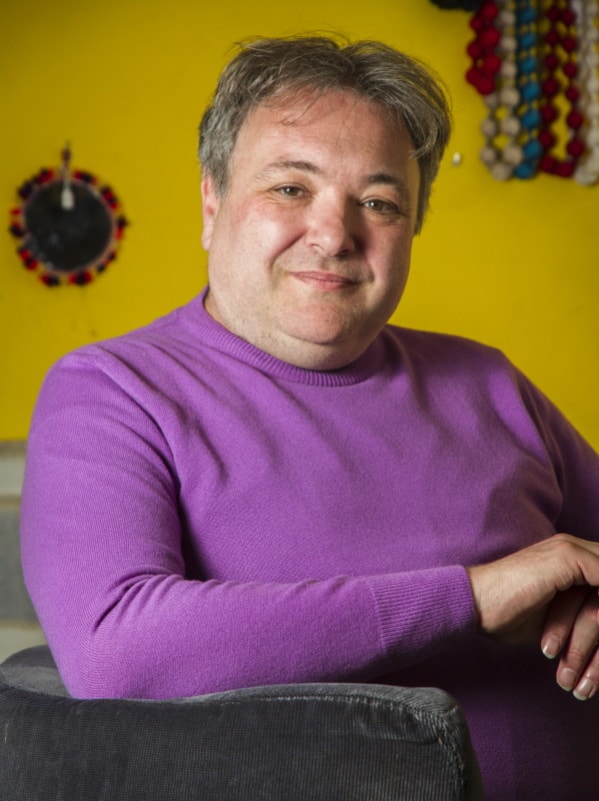
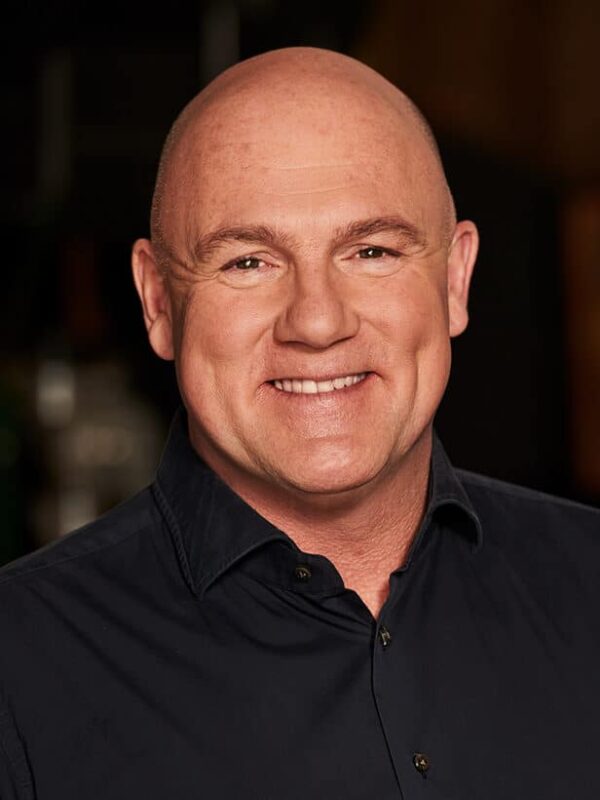
Wesley dos Santos
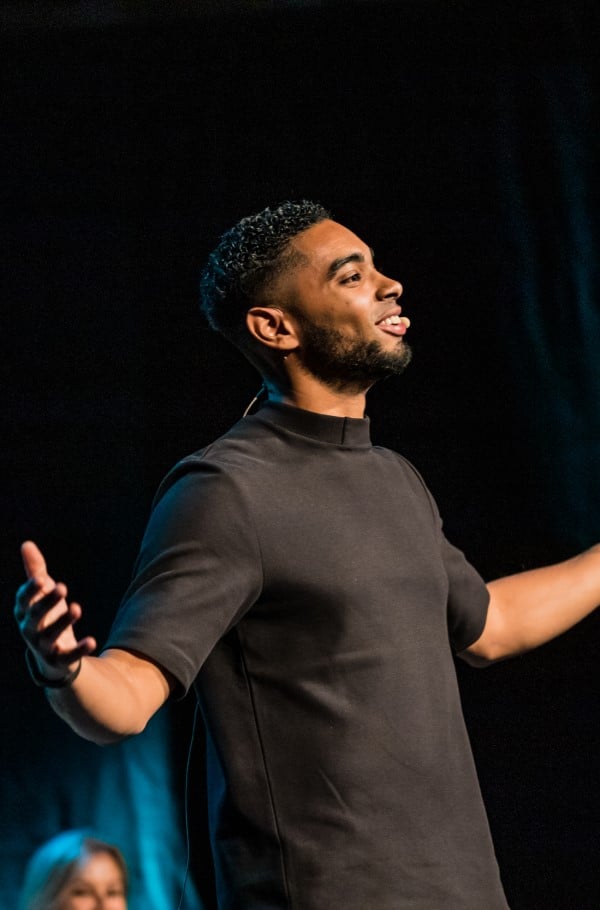
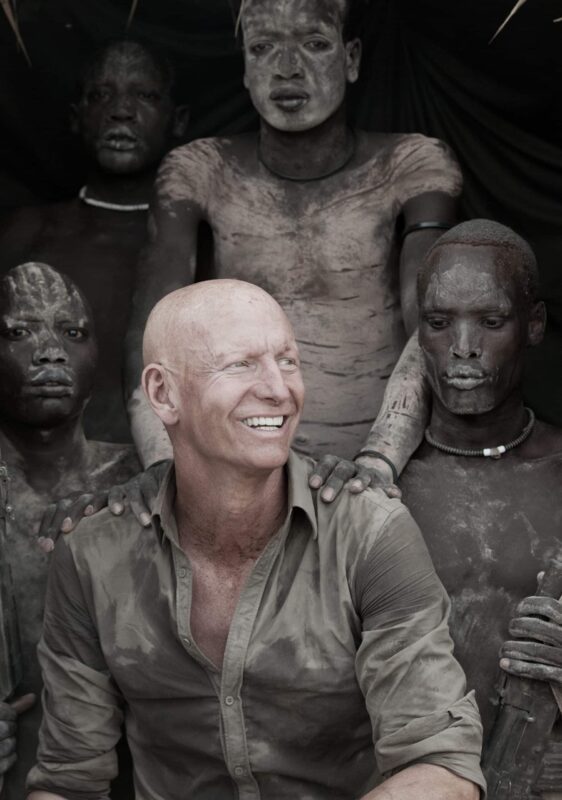
Wesley dos Santos is a business administrator, speaker, author, presenter, but above all an entrepreneur with two successful companies to his name (iKapitein and Aqua Mobility). In addition, he creates innovative, accessible, and impactful media concepts (TV, social media, and events), is known for his TEDX Talk, and regularly coaches people to help them achieve their dreams. Wesley has a Cape Verdean background, was born and raised in Rotterdam (Delfshaven), and has a daughter, Céline Amora, with his wife Leticia.
Before starting his entrepreneurial journey, Wesley graduated as a Business Administrator in 2013. He then temporarily worked at the UWV as a Work & Business Advisor. Alongside his job, he was involved in concept development and deepened his understanding of entrepreneurship, resulting in various founded enterprises and unique experiences. From winning awards to conversations with King Willem Alexander, Queen Maxima, and the President of Cape Verde.
Wesley’s characteristics include his drive, transparency, the positive energy he radiates, sense of humor, and humility. To achieve his dreams, Wesley always applies three essential 21st-century skills: tinkering, hustling, and circular thinking. In collaboration with Publisher A.W. Bruna, Wesley has incorporated these skills into an inspiring book titled; ‘Entrepreneurship Like a Boss’. In the book, Wesley explains step by step what the skills are, how he discovered them, and how he applies them in his businesses.
Additionally, he has interviewed role models such as street magician Soufiane Touzani, all-rounder Jandino Asporaat, Picnic founder Michiel Muller, former footballer Anouk Hoogendijk, artist Winne, Jumbo executive Colette Cloosterman, Emms from hip-hop group Broederliefde, and criminal lawyer Mark Teurlings to find out how they tinker, hustle, and think circularly to be able to operate like a boss.
Inspiration Sessions
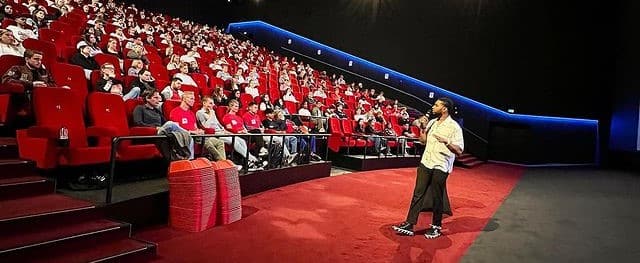
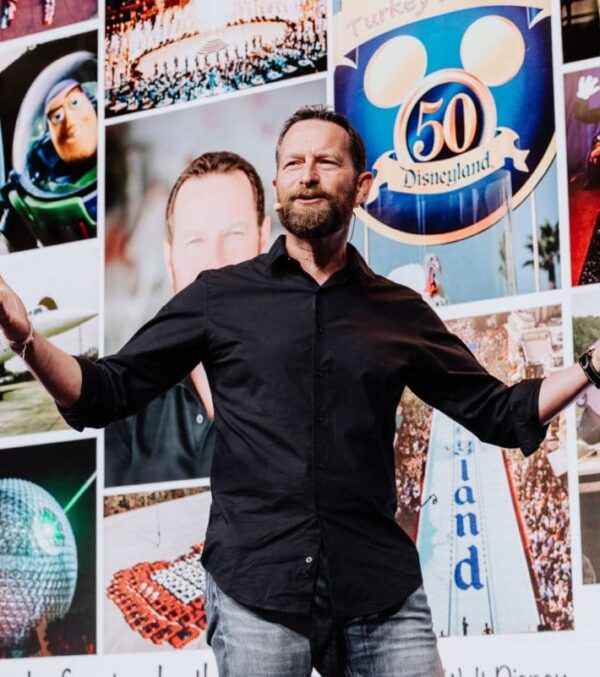
Wesley passionately and energetically conducts inspiration sessions during openings, guest lectures, events, conferences, theme days, and launches on social entrepreneurship, sustainability, and the skills he considers most essential for now and in the future: Tinkhustcularity. In the Netherlands and around the world. On-site or online. In English or Dutch. For a very diverse audience in the most varied locations: from international boardrooms to school cafeterias. Always tailored, practical, and personal.
1. Tinkering
Tinkering is a method, work form, and way of thinking and working in which elements of inquiry and design-based learning are present. It is a process of self-experimentation, execution, and improvement. Imagination, creativity, problem-solving ability, and having fun are essential here. There is the possibility of getting stuck and then finding a way out. The experimentation and learning process is more important than the result.
You might not expect it, but simply tinkering often results in a more beautiful world. For example, if we look at how crisps were invented, it was because a customer persistently asked for thinner and more crisply fried potatoes. Edison did not think that record players would be used to play music, and the pacemaker was accidentally invented after tinkering with frequencies to warm the body.
As an entrepreneur, tinkering is one of my strategies for building a company. During the inspiration sessions, I delve deeper into this with examples and also explain how this happens in the business world, government agencies, and schools.
2. Hustling
The second essential skill for the current and future economy is hustling. Hustling is about seeing and seizing opportunities with a deeply rooted drive. It is a mindset and often the follow-up to tinkering. It shows more daring: ‘I can do this, and you are going to pay for it’.
For me, a hustler is someone who has created a growth model or devised a solid plan based on tinkering. It is someone who feels comfortable in uncomfortable situations with the iron will to achieve something.
A hustling employee is, for example, someone who sees opportunities in the business process, devises a plan to improve it, presents the plan, executes it, and rolls it out across different locations. It is someone who is constantly looking for collaborations to continue improving themselves and the company. Hustling is about seeing and seizing opportunities with a deeply rooted drive.
Hustling is essentially about creating an opportunistic attitude. This is becoming increasingly important in this changing market with fewer permanent jobs, less certainty, and more temporary contracts. If you want to raise the bar for yourself and ensure the continuity of your hustle, I believe it is important to think circularly. This brings me immediately to the third and final skill of the set; Circularity.
3. Circular thinking
Circular means to me growing by giving back. And you can interpret this in different ways. Both personally and professionally. Circular thinking in a personal way is about that deeply rooted drive I mentioned with hustling. My deeply rooted ‘drive’ comes from the fact that my parents migrated from Cape Verde to the Netherlands in search of a better future. They were able to offer me perspective and the opportunity to go to school.
The message they gave me is that I can achieve anything as long as I work hard for my dreams with respect, transparency, authenticity, and confidence. Despite the fact that I cannot repay my parents in any way for what they have done for me, my plan is at least to show them that I understand by doing what I do.
Thinking circularly in a business sense is about giving back knowledge, skills, and experiences. It is also about creating synergy and taking care of our world. It was circular thinking in a business sense that gave me the idea to give something back to the rivers where I am allowed to sail with iKapitein. (SDGs)
And of course, I cannot possibly repay the rivers, but my plan is to show that I understand by developing pleasure boats with built-in waste collectors. For someone else, thinking circularly in a business sense might be organising an internal workshop for colleagues by colleagues, about the importance of being fit and vital or reusing materials.
I am convinced that with this new set of skills, we make the world a much more beautiful place. As long as we keep tinkering with the ‘mindset’ of a hustler in a circular way, we can keep up with the speed of technology. This new set of skills can be applied within any organisation and situation.