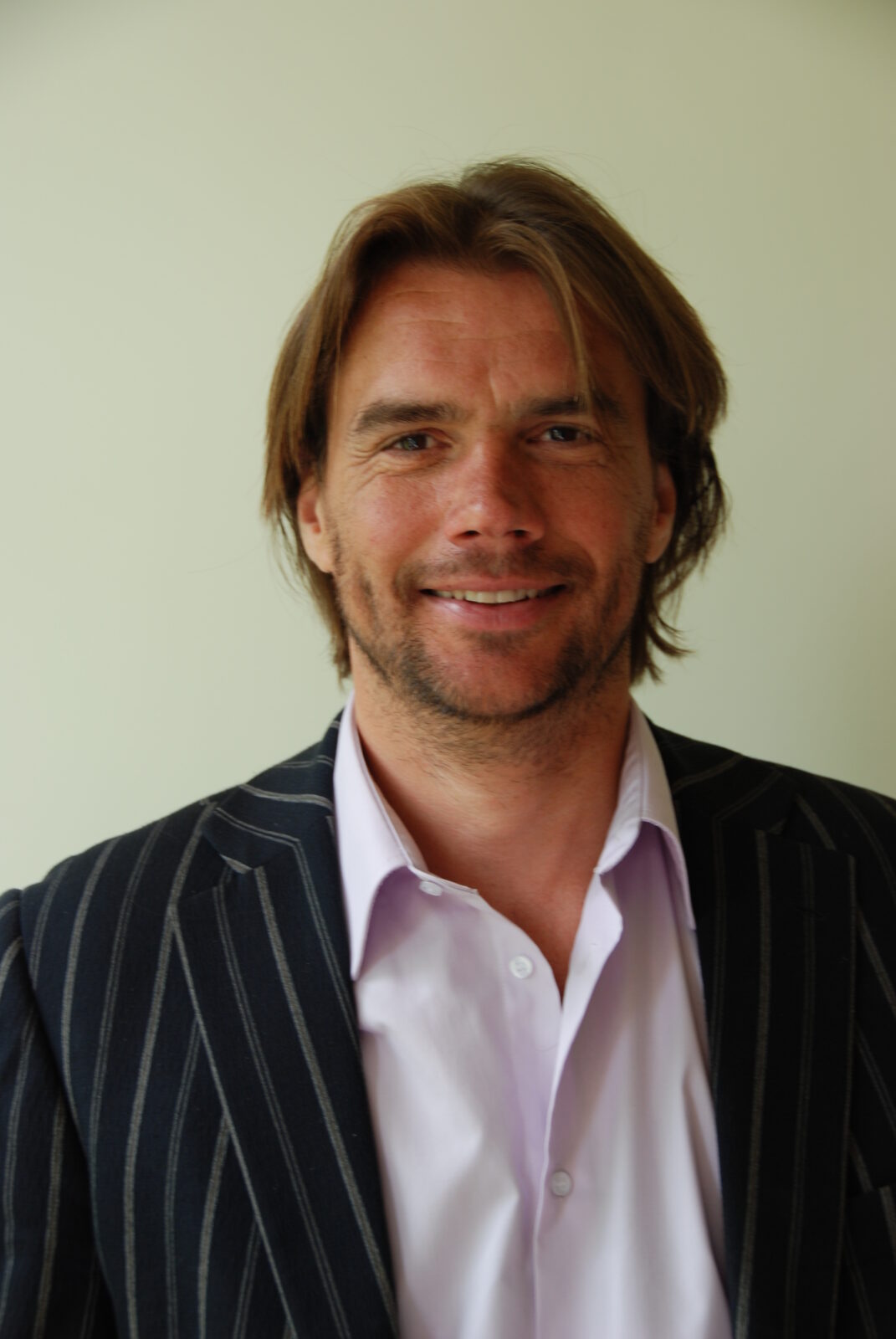
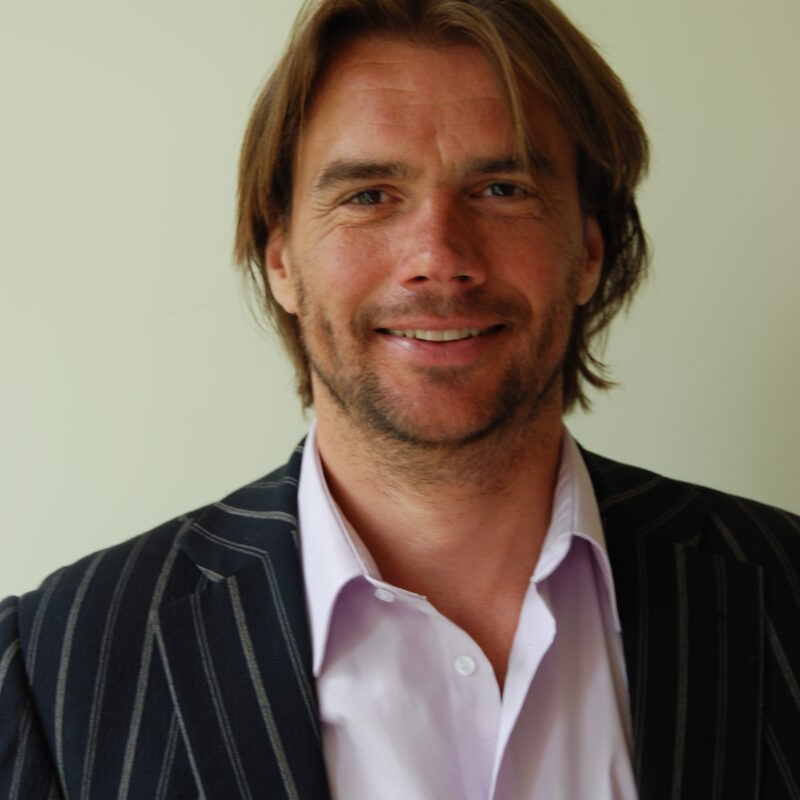
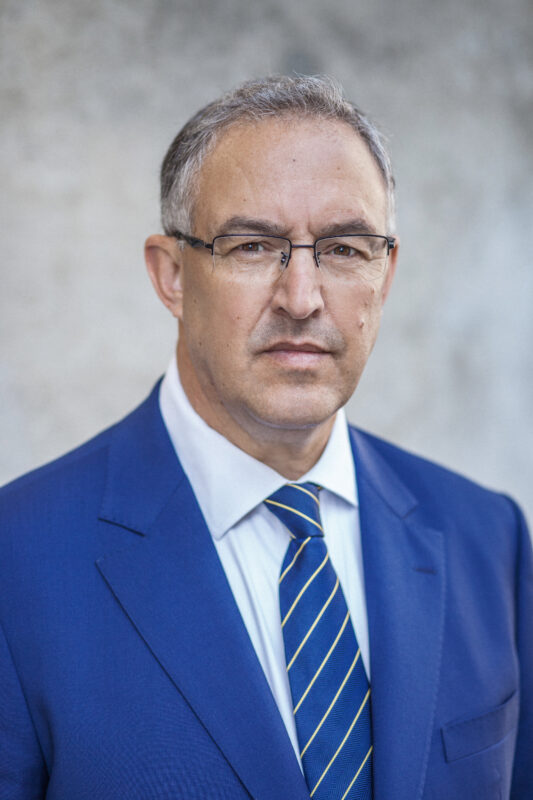
Steven Pont writes for various media about psychology, including a regular weekly column in Parool and Algemeen Dagblad, and has worked on several television programs.
Steven Pont is a developmental psychologist and systemic therapist. During the lecture, we will discuss three individual and eleven relational factors of the undercurrent, which significantly influence the results of the organizational upper stream. At the age of seventeen, he enrolled in an exchange program with the United States, where he obtained his High School diploma. He then completed the Pedagogical Academy H. Bouman and later earned his master’s degree in developmental psychology at the University of Amsterdam. After his studies, he left for Asia and worked as a volunteer with Mother Teresa in Calcutta.
Upon his return, he worked for many years with children and parents (both outpatient and residential) and later in various managerial roles. For his last employer, he was, for example, the manager of three treatment homes. He then pursued training as a systemic therapist (at NISTO), mediator (at the Dutch Institute for Psychologists), and Socratic conversation leader (at Philosophy in Practice). He now works for himself in various capacities; as a therapist, lecturer, author, educational materials developer, and speaker.
How the undercurrent within an organization determines the results of the upper stream…
In every organization, there is a well-documented, clear, and rational upper stream, where various documents precisely outline the expectations, goals, and job descriptions. The ‘hurdles’ of the different departments and teams are usually well in order, and aspects such as the vision and mission find their place here. It is an important part of every organization, but unfortunately, that is not enough… Almost all work within the organization must be accomplished through collaboration. But collaboration is more than just working together. And the quality of that collaboration is primarily the domain of the irrational undercurrent, rather than the rational upper stream. This applies at both individual and relational levels.
In this lecture, developmental psychologist, systemic therapist, and mediator Steven Pont will therefore not focus on the rational upper stream, but rather on that irrational undercurrent within organizations. And this is of great importance because – to name just one thing – the culture of every organization is determined precisely there. So what forces are at play there, for example? And how can we perhaps make that irrationality a bit more rational together? During the lecture, we will discuss three individual and eleven relational factors of the undercurrent that significantly influence the results of the organizational upper stream.
Steven writes for various media about psychology, including a regular weekly column in Parool and Algemeen Dagblad. He has also authored several books. In all his books, he tries to introduce his readers to a specific psychological theme in understandable language, covering various areas;
Additionally, he was a co-author of the book Must-Willing Assistance, which he wrote with Joep Choy (former director of a psychiatric hospital) and Theo Dorelijers (Professor at VU) for professionals working in compulsory assistance. In 2012, he also provided the Parenting Week gift (Listen to Me!) and will do so again in 2013 (under the name; PlayS!).
About his books, the press has written among others:
Steven has also written two children’s books; Jacobus (later translated into Korean) and Jacobus and the Friendship Cake.
In recent years, Steven has also worked as a regular contributor to various television programs, including
Furthermore, he gives training sessions, lectures, and workshops that may vary widely but can all be traced back to the one subject in which he has specialized over the years; psychology. He is also frequently asked by the media for his opinion on psychological topics (last year, among others, by EenVandaag, Koffietijd, NRC, Psychology Magazine, Trouw, This is The Day, and the Youth Journal).
}