About
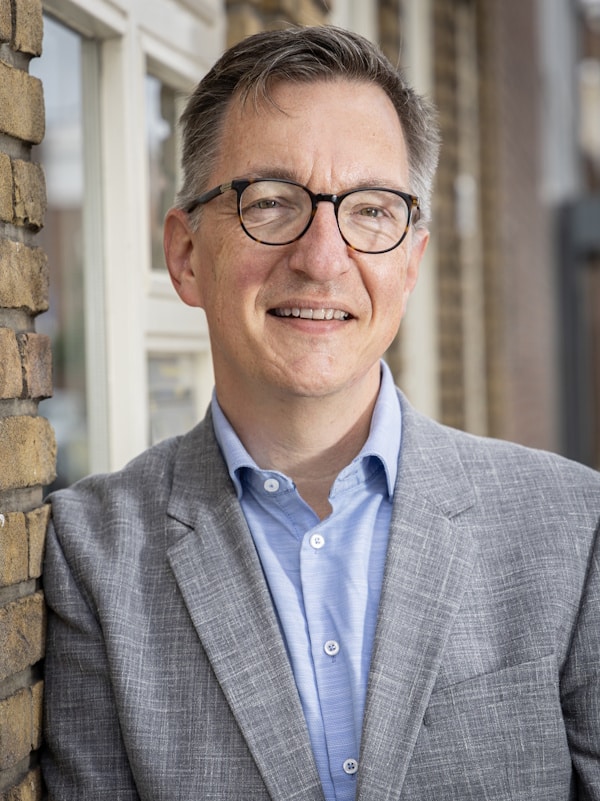
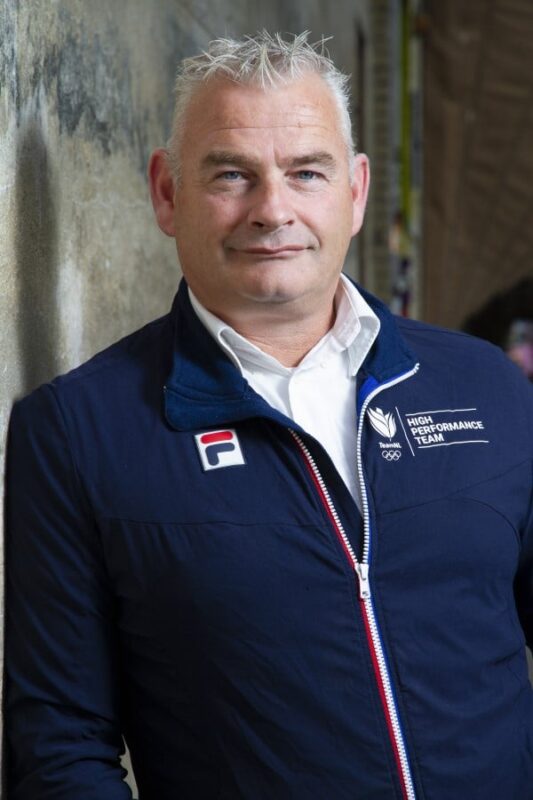
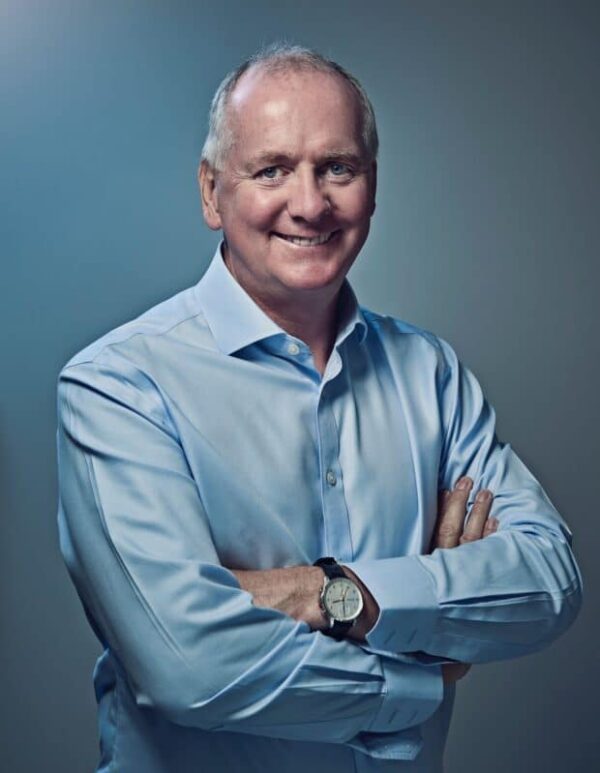
Martin Visser
Martin Visser is a sought-after guest on radio and television, where he explains complex financial and economic topics clearly and accessibly. He is a regular economic commentator on EenVandaag and the resident economist of Nieuws van de Dag. Additionally, he has frequently appeared on programs such as Vandaag Inside, Buitenhof, WNL op Zondag, De Wereld Draait Door, Jinek, Eva, and Pauw & Witteman. He is also regularly heard on NPO Radio 1 and BNR Nieuwsradio.
Visser works as a reporter and columnist for De Telegraaf. He writes about political-economic developments, provides a weekly column for De Financiële Telegraaf, and produces the podcast Kwestie van Centen.
During the euro crisis, he was a correspondent in Brussels for Het Financieele Dagblad, where economics, European politics, and financial markets converged. During this period, he wrote his first book, ‘De eurocrisis’. Later followed ‘Komt het nog wel goed met ons?’ and, together with Wouter van Bergen, ‘De kleine Piketty’ and ‘De kleine Piketty 2’, about inequality in the Netherlands.
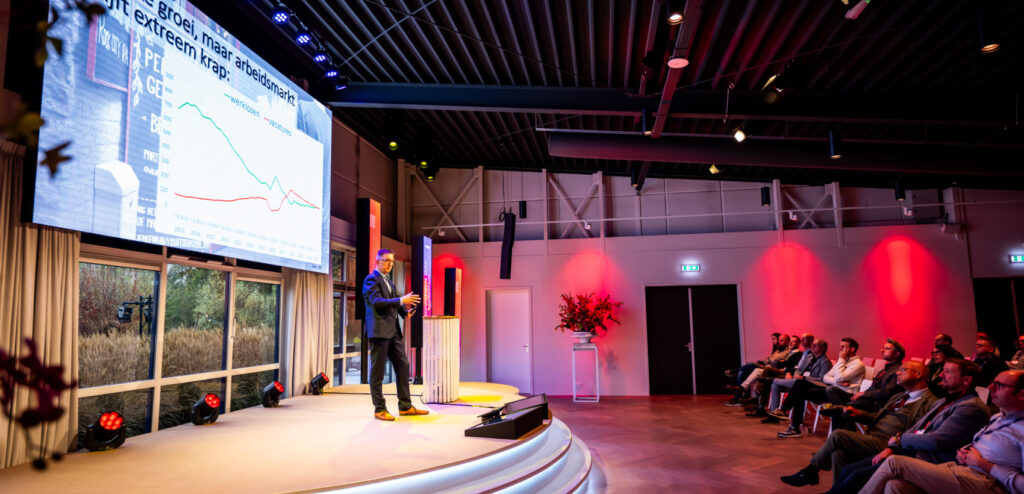
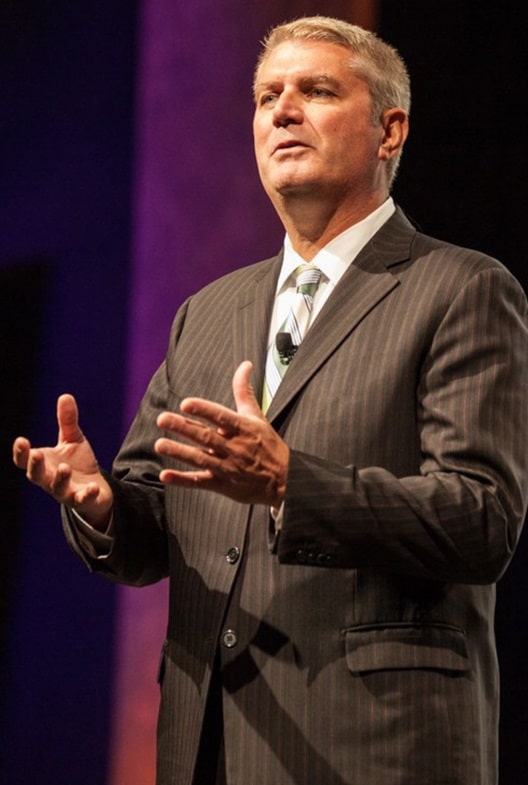
In his lectures, Visser connects economics, politics, and society. He demonstrates how economic developments are directly linked to social sentiments and political choices, both nationally and internationally. Topics such as purchasing power, labor market, housing market, taxes, pensions, business climate, and the impact of AI are addressed.
Visser is known for his crystal-clear, energetic style. His lectures combine sharp analysis with humor and interaction, allowing room for discussion and current questions from the audience. This creates a narrative where trends and cross-connections become insightful — practical, current, and inspiring.
1. Business Climate
The Netherlands is falling on international rankings. In many areas, entrepreneurs feel obstructed. Whether it’s about nitrogen, taxes, grid congestion, or regulatory pressure. But above all, entrepreneurs are driven mad by political capriciousness. Does the Netherlands no longer love its entrepreneurs? Are you still allowed to be successful in this country?
2. Political-economic Analysis
How does politics intervene in our economy? Around Budget Day, elections, and cabinet formations, the question is what new government policy means for entrepreneurs, freelancers, and employees. What does political policy concretely mean for purchasing power or the investment climate?
3. Labour Market
For years, politics has struggled with the organisation of the labour market. In doing so, The Hague is hopelessly lagging behind the facts. Are we encouraging freelancers or do we want to curb that phenomenon? And why do fewer and fewer people want to work in permanent employment and what do employers still think of the collective labour agreement? The flexibilisation of the labour market continues, with all the positive and negative consequences. Meanwhile, entrepreneurs do not know how to find good skilled workers due to the severe shortage in the labour market.
4. Investing in a Politically Unstable World
The impact of geopolitics on investing is enormous. The world is being divided into large power blocs. What does this mean for financial markets? How does this change the world economy and how should investors deal with these uncertainties?
5. Geopolitics and Economy
The world is being divided anew. The era of globalisation and open borders seems to be over. Protectionism is more dominant than free trade. How should the Netherlands and Europe respond to this? What does this mean for politics, for entrepreneurs, and for ordinary Dutch people? Are we too dependent on America and China?
6. Taxes and Allowances: Far Too Complicated
Our tax and allowance system has become a tangle of complicated regulations. No one can see the wood for the trees anymore. The Hague can neither move forward nor backward. What are the consequences of a complicated fiscal system and how did we end up in the quagmire of these allowances?
7. Pension and State Pension
Our old age concerns us. The pension system has been reformed, the state pension is under discussion. How should we make our pension schemes ageing-proof? What is the sense and nonsense of our new pension system? How do we deal with people who have a heavy occupation and still have to continue working past their 67th birthday?
8. Purchasing Power, Inflation, and Wages
We are holding each other in a spiral. Due to high inflation, trade unions demand extra wages, while employers already find wage costs too high. How do we get out of this? The high inflation arose during the energy crisis but persisted for a long time. That had consequences for wages. Meanwhile, companies are reorganising because costs have risen too high.
9. AI as a Solution
Productivity is lagging. The Netherlands wants to be a knowledge economy, but we still rely on cheap labour. Despite the tight labour market, investments in labour-saving technology are lagging. Will AI provide the solution? Is AI a threat or rather a blessing?