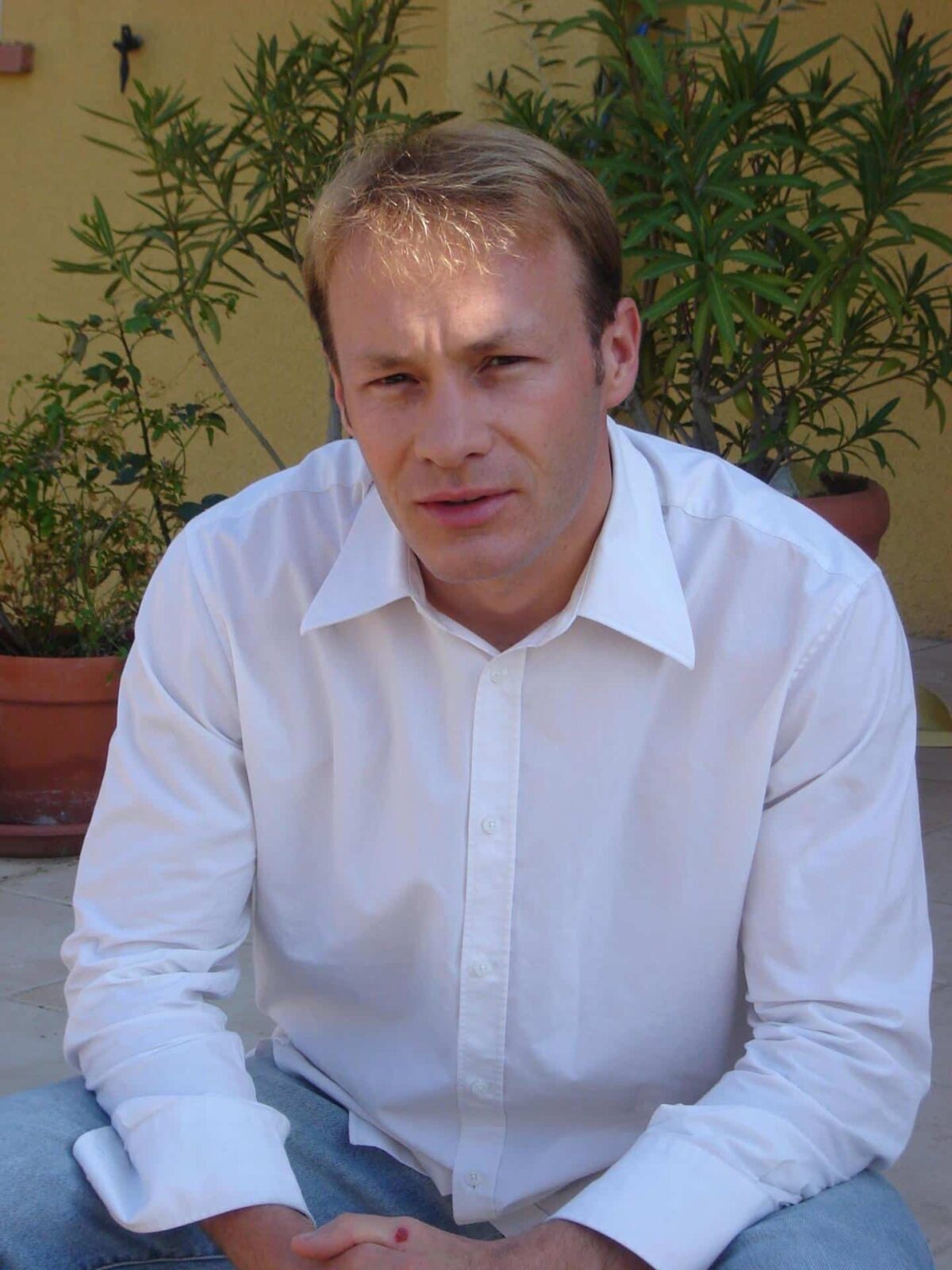
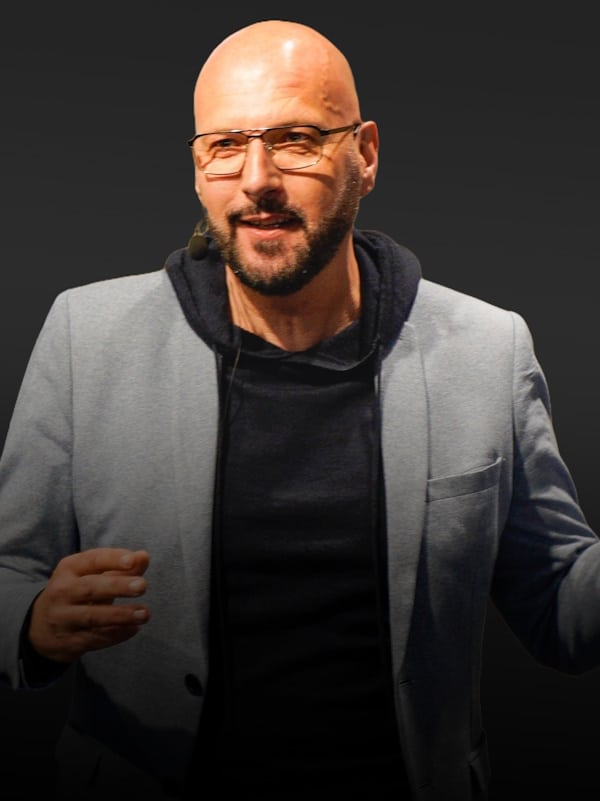
Didier Courbet is a University Professor, notably teaching at the Faculty of Medicine (CHU Marseille) and at the School of Journalism and Communication of Aix-Marseille University. He holds a PhD in Information and Communication Sciences and is a Researcher at
Didier Courbet is a University Professor, notably teaching at the Faculty of Medicine (CHU Marseille) and at the School of Journalism and Communication of Aix-Marseille University. He holds a PhD in Information and Communication Sciences and is a Researcher at the IRSIC Research Institute, where he serves as Deputy Director and is an associated researcher at GRCP at Laval University in Canada. He gives lectures based on his own research on: 1) the study of interactions between humans and new information technologies (effects and uses of digital technologies: digital marketing and advertising, connected serious games, mobile, social media, new health prevention technologies… Didier Courbet is particularly interested in “transhumanism” (NBIC) and “neuromarketing” (contributions, limits, ethics); 2) the contributions of recent research in human and cognitive sciences for personal development (notably in the corporate context). He also directs the Digital Marketing Bachelor’s program at Aix-Marseille University. He is currently an expert for several scientific organizations (Institute of Health and Medical Research INSERM, High Council for the Evaluation of Research and Higher Education, …). He has been heard by the National Assembly as an expert on the effects of images and is often interviewed in the media. He has also served as a scientific advisor for television (including the show Le jeu de la Mort, broadcast in prime time on France 2 (reproduction of Milgram’s experiment and electric shocks in a faux television game). Professor Didier Courbet is the author of over 150 publications in international and national scientific journals, books, book chapters, and scientific communications. Didier Courbet highlights current trends and recent developments (digitalization, smart connected objects, augmented reality, enhanced humans, mobile marketing, …) and through concrete examples, he demonstrates how companies (large or SMEs) can innovate and become more efficient by taking into account and anticipating new trends and new consumption patterns, from Generation Y to seniors. How to do it, what processes, what success levers, and what consequences for companies today?