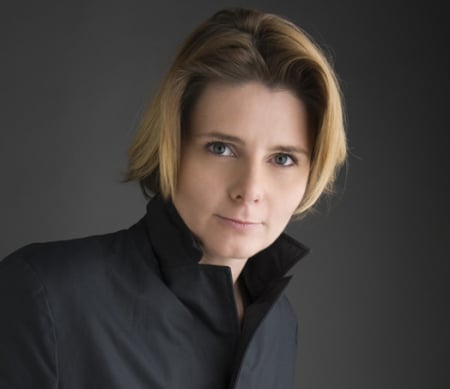
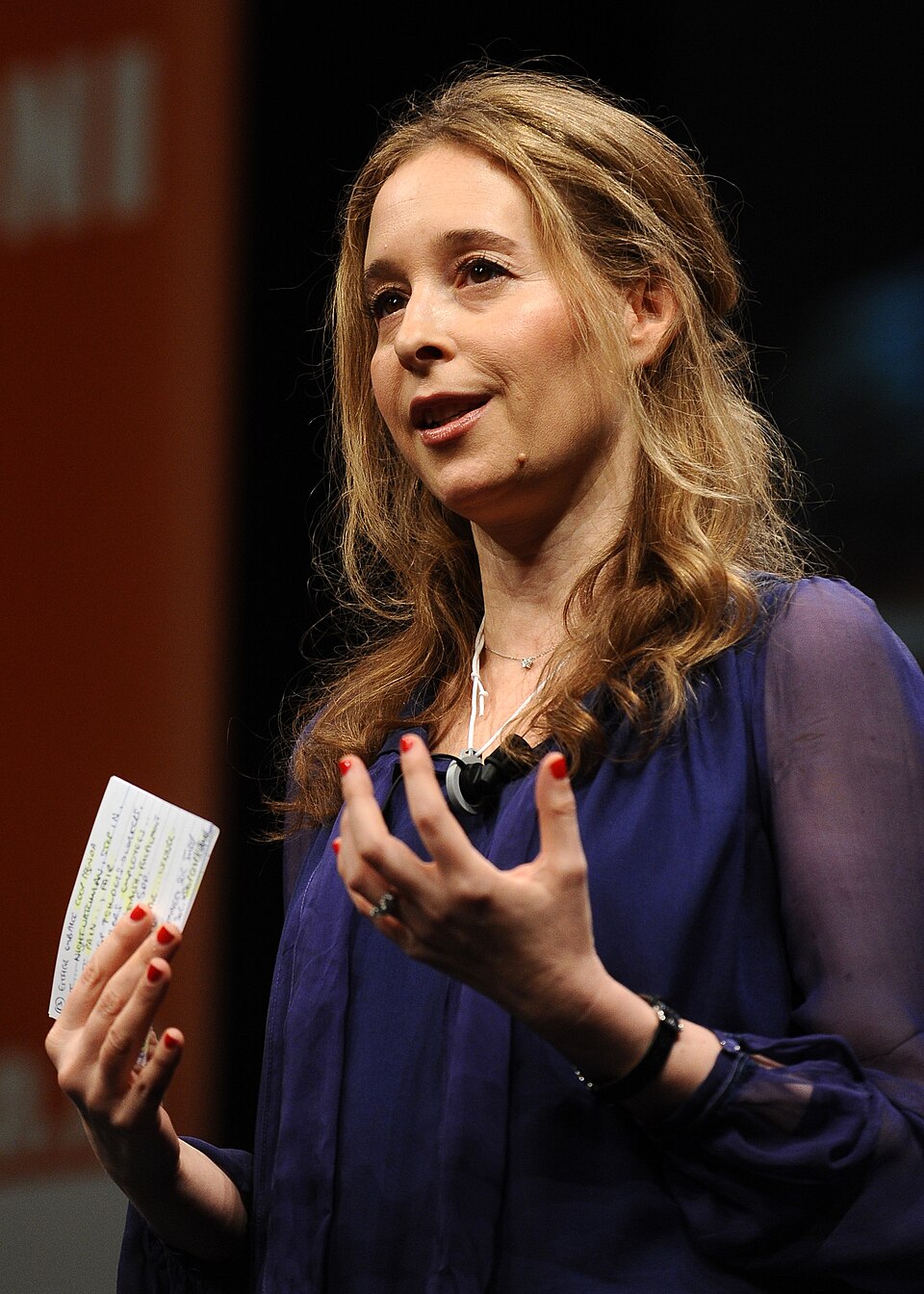
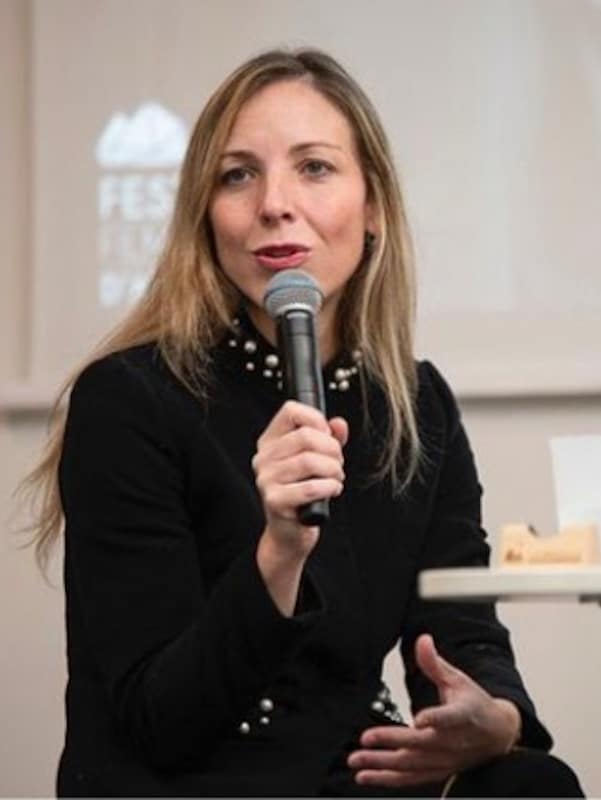
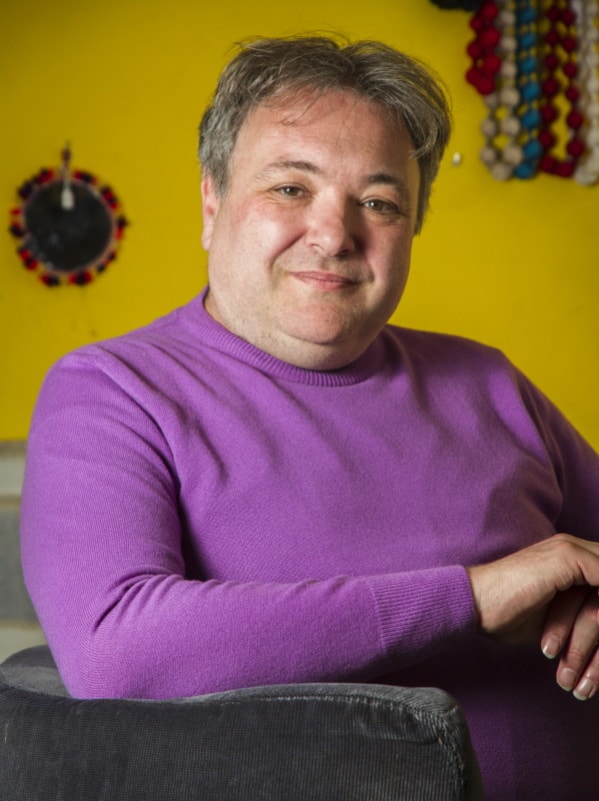
Essayist, journalist, editorialist, screenwriter, and director, Caroline Fourest has been the co-founder and editor-in-chief of the ProChoix magazine (feminist, anti-racist, and secular) since 1997. She holds a DEUG in history, a master's degree in sociology from EHESS, and a DESS in political ...
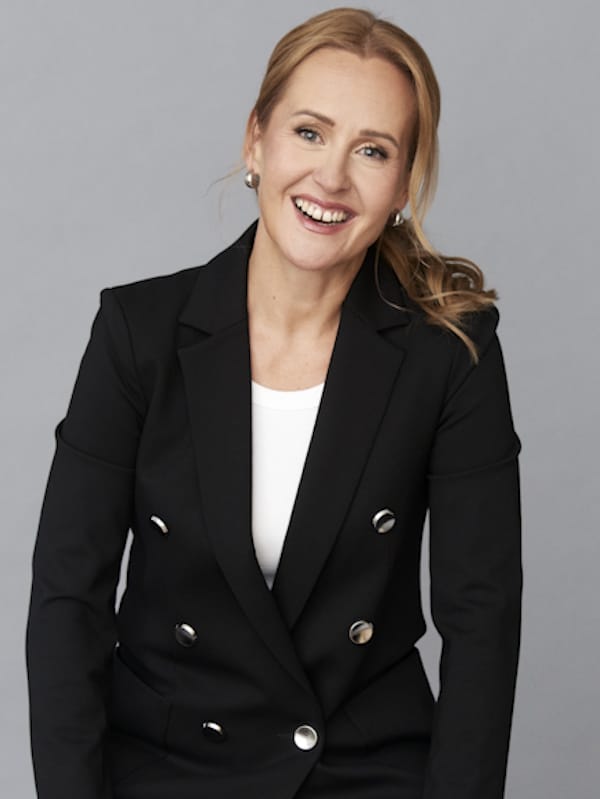
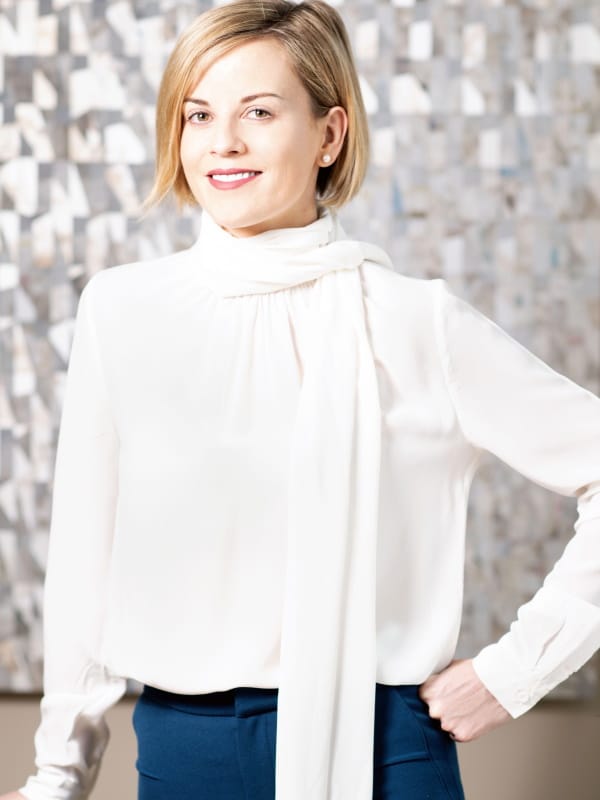
Essayist, journalist, editorialist, screenwriter, and director, Caroline Fourest has been the co-founder and editor-in-chief of the ProChoix magazine (feminist, anti-racist, and secular) since 1997.
She holds a DEUG in history, a master’s degree in sociology from EHESS, and a DESS in political communication from the Sorbonne. She began publishing at the age of eighteen in newspapers (Transfac, Têtu, L’événement du Jeudi…), which allowed her to obtain her press card at the age of twenty. Through articles and investigations, she has specialized in the study of extremist movements, particularly fundamentalist ones. This is a subject she has been working on for the past 14 years.
She has written numerous essays on the far right, fundamentalism (Jewish, Christian, and Muslim), multiculturalism, and universalism. These include Tirs Croisés (Calmann-Lévy, 2003), Frère Tariq (dedicated to decoding the double discourse of Tariq Ramadan, Grasset 2004), La Tentation obscurantiste (Grasset, 2005), Le Choc des préjugés: l’impasse des postures sécuritaires et victimaires (Calmann-Lévy, 2007), Les nouveaux soldats du pape (Panama, 2008), La Dernière utopie: menaces sur l’universalisme (Grasset, 2009), and Libres de le dire: conversations mécréantes (with Taslima Nasreen, Flammarion, 2010).
These notable essays, often published in paperback and sometimes translated (into English and Arabic), have earned her the National Secularity Prize in 2005, the Political Book Prize and the Jean Zay Prize for La Tentation obscurantiste in 2006, the Aron-Condorcet Prize in 2008, and the Licra Prize in 2010. That same year, La Dernière utopie received the Adrien Duvand Prize, awarded by the Academy of Moral and Political Sciences for “the author of the best work on civic and moral education in a democracy.” She is also the author of Marine Le Pen dévoilée as well as Libre chercheur with Etienne Emile Baulieu.
An engaged journalist, she regularly contributed to Charlie Hebdo from 2005 to 2009. She notably played an active role in refusing to censor the publication of caricatures of Muhammad. Her testimony during the trial brought by religious organizations helped defend the idea that anti-racist laws should not turn into anti-blasphemy laws. For several years, she collaborated as a columnist for the newspaper Le Monde.
She has initiated numerous manifestos at decisive moments in favor of equality, freedom, or secularism. Such as the FURIE! manifesto for “Free and Equal Unions” at the time of the PACS (1997), the “manifesto of twelve” against new totalitarianism (2004), or more recently an open letter to Indian authorities demanding the renewal of the visa for Taslima Nasreen, which she ultimately obtained.
For 4 years, she taught “Multiculturalism and Universalism” at Sciences-Po Paris. She sits on the Board of the Anna Lindh Foundation for Dialogue between Cultures (Euro-Med).
A documentary filmmaker, she has directed films such as “Certifiées vierges” on hymen reconstruction for Envoyé spécial (France 2) in 2008, “La bataille des droits de l’homme” on the Durban 2 conference and the Human Rights Council in 2009 for ARTE, “Des petits soldats contre l’avortement” in 2011 (Canal +), or the highly regarded “Marine Le Pen: l’héritière” (December 15, 2012, on France 2). She also directed “Nos seins nos armes” (2013) with Nadia El Fani and a series of 4 documentaries for France 5: “Les réseaux de l’extrême.” Since 2007, she has been producing with Fiammetta Venner a series of 100 portraits titled “100 Muslim Women Tell Their Stories.”
She produces and hosts a daily summer interview show on France Inter: “They Change the World.” Every week, she has a column in Les matins de France culture.
Photo credits: Gilles Dacquin