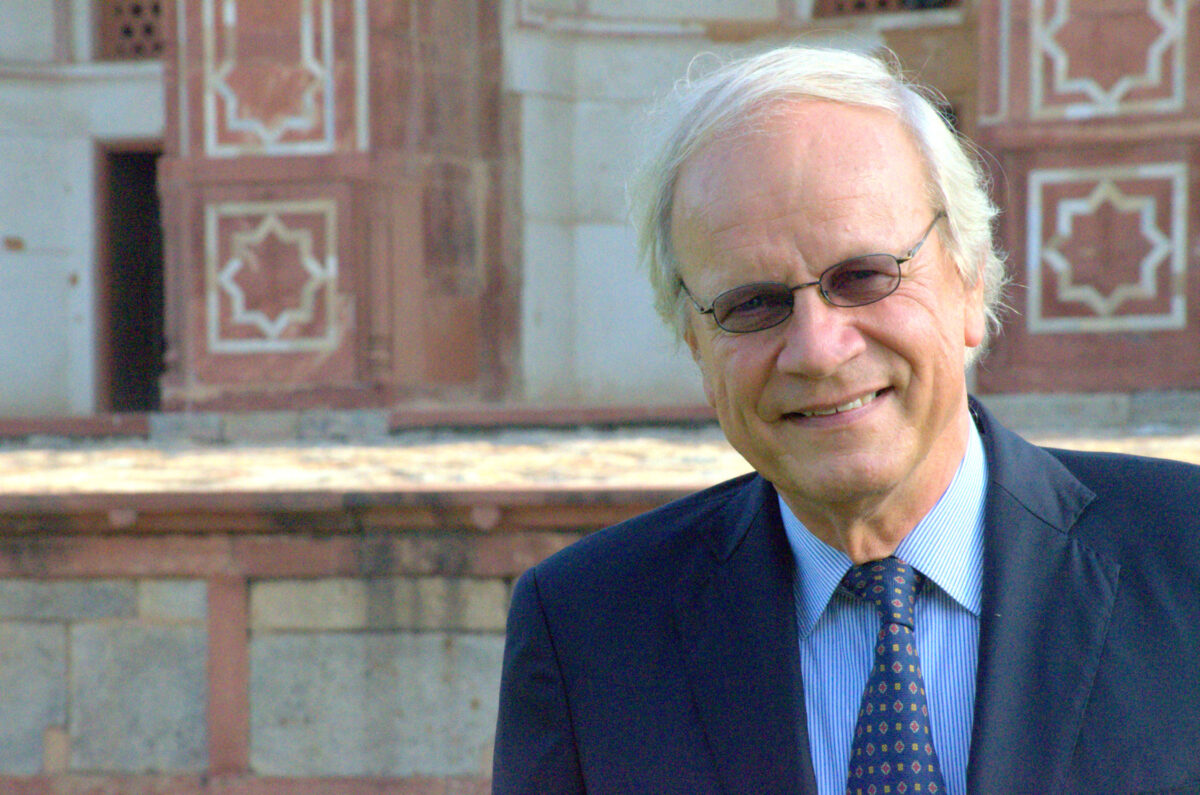
© Rahul Sharma
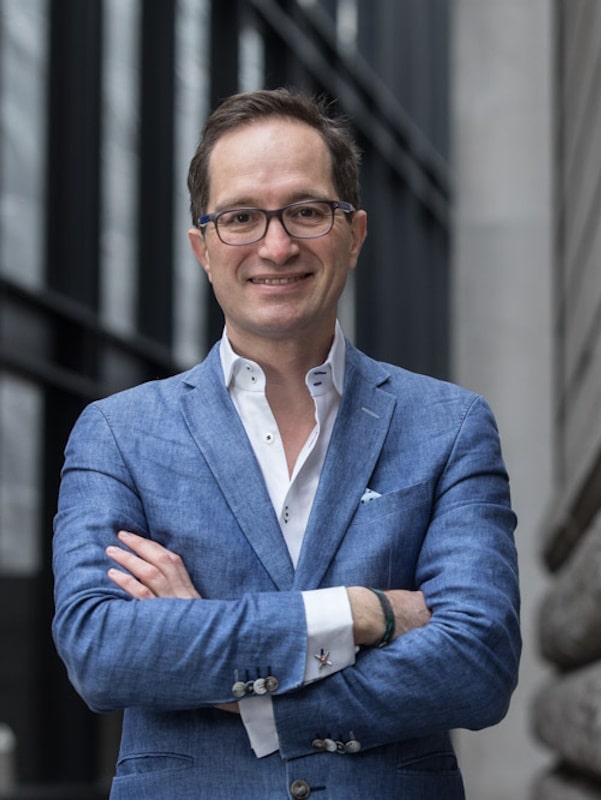
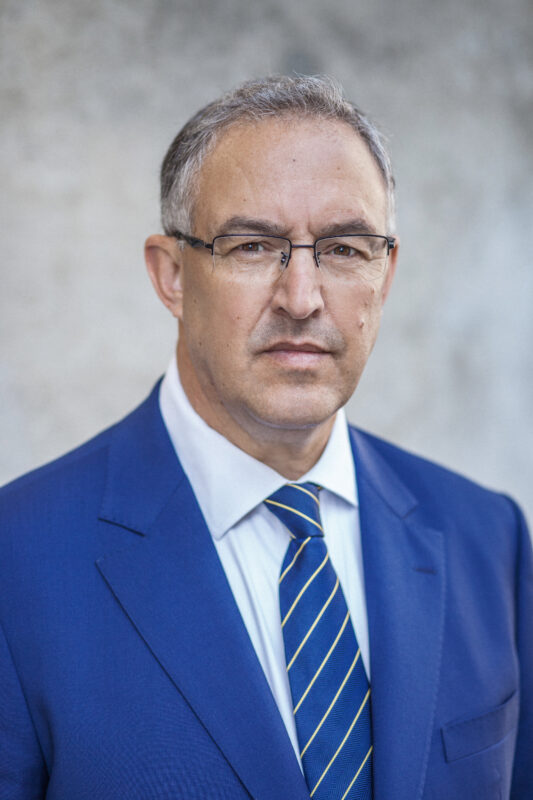
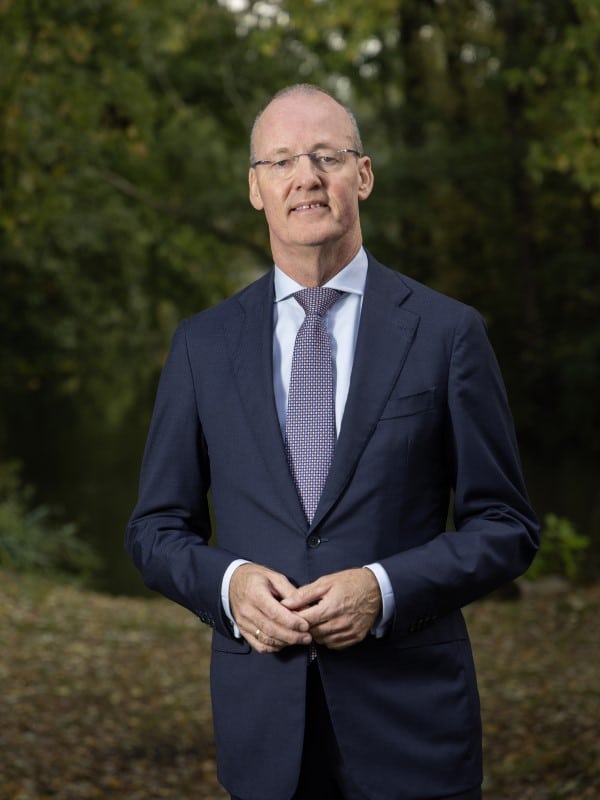
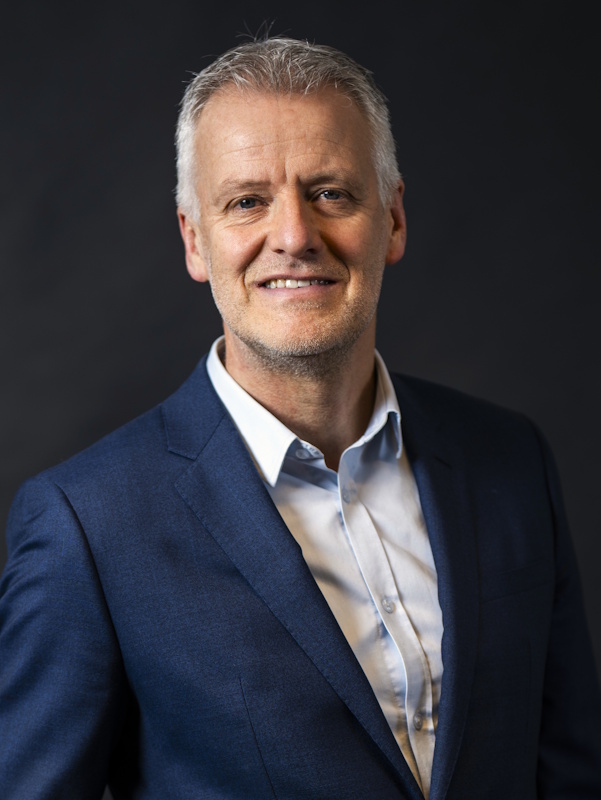
In his work as a diplomat and as an active observer in the nine countries, Fons Stoelinga has always relied on the logic and discipline that his studies in engineering and business have taught him.
In his work as a diplomat and as an active observer in the nine countries where he spent most of his active life, Fons Stoelinga has always relied on the logic and discipline that his studies in engineering and business have taught him. He enjoys interpreting numbers and discerning trends.
His work abroad for the Dutch diplomatic service focused on politics, economics, and business. During his tenure as Ambassador of the Netherlands to India, his embassy in New Delhi was awarded the title of most business-friendly and effective Dutch embassy by the Dutch business community in 2017. Back in the Netherlands, Fons was active in senior management at the Ministry of Foreign Affairs.
Fons believes that international business in the 21st century is no longer just about exporting to or investing in each other, but that it is now primarily about finding the exact niche for your company or your country in the global value chain. He applied that principle to promoting business between India and the Netherlands, which yielded results.
Fons is convinced that an ambassador is no more and no less than the chief lobbyist for his country. The toolbox of a lobbyist is his or her network of contacts. This means that a Dutch ambassador in India must know or get to know everyone in India who is relevant or could become relevant for Dutch interests. A significant challenge in a country of 1.4 billion inhabitants.
Therefore, Fons learned the local Hindi language, which provided him with his own insights and perspectives on India and the role that India can play for us, for Europe, and for European businesses. He wants to share those insights.
But Fons is also convinced that when you live at a great distance from your own country and culture for an extended period, you gain a better judgment about why things in your own country are the way they are: just as a historian gains a better judgment through the distance in time, you can have a better idea of why things happen as they do in your own continent, in your own culture, when you live far away from it. He also wants to share these insights about Europe, which he gained during his work in Asia:
We are at a turning point in modern history. The existing political and economic world order that has served us for the past 35 years is coming to an end. Asia is now claiming not only an increasingly significant economic influence. One of the most important developments of the past five years is the fact that China, much earlier than anyone expected, is assertively – sometimes aggressively – delineating its political and military sphere of influence. And that it has begun to proactively promote its own, competing model of society. And this is happening at a time when the image of the West, especially in Asia, is waning.
The second important fact of recent years is, according to Fons, that we have entered the second phase of globalization, where Asian countries are not only competing with cheaper products but are now also competing with excellent managers, entrepreneurs, engineers, doctors, and accountants. Europe is too busy with itself and is therefore not alert to these developments. It does not even see that an important cause of its own euro crisis is the increasing competition from Asia, which forces us in Europe to raise labor productivity and reduce the costs of our welfare state, precisely at a time when our population is aging. This creates frictions between EU member states and within individual European countries. It is clear: if the EU wants to remain competitive, all EU member states must now truly reform their economies and welfare states.
For our companies, the answer to the new Asian challenge is to define the role that countries like India could play in their strategy. As an ambassador, Fons advised and guided Dutch companies in the Indian market and Indian companies in the Netherlands. Now he wants to share those insights with you.
}