Over
Christine Fitzgerald
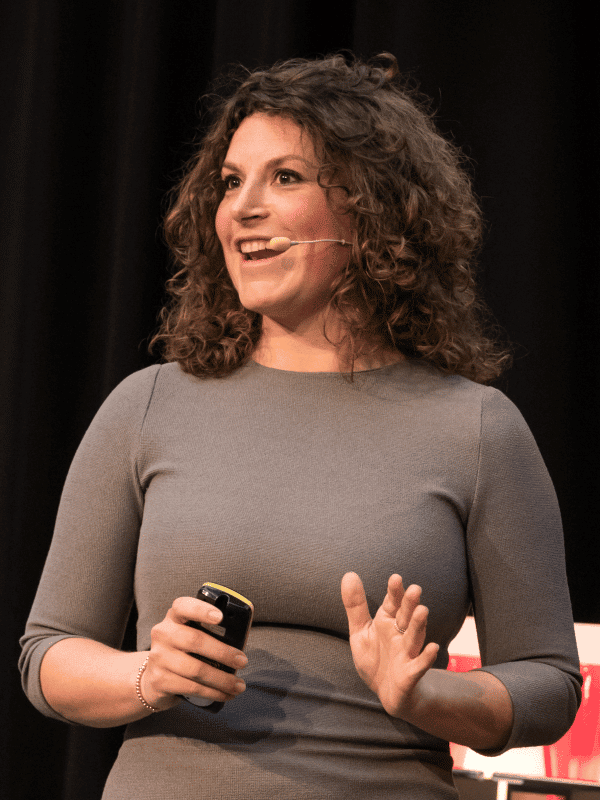
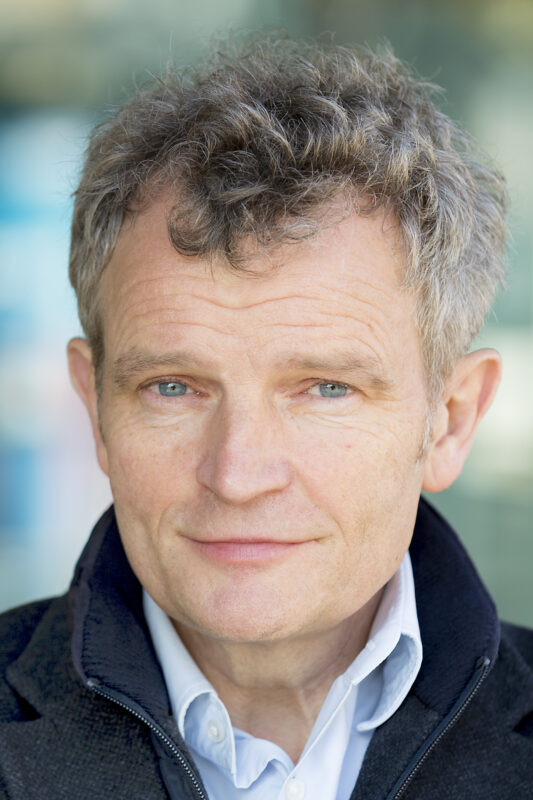
Het benutten van ons volledige menselijke potentieel, het inzetten van onze sterke punten, het beste leven leiden dat we kunnen terwijl we onze toekomst creëren, is de oproep tot actie die velen vandaag de dag horen. Als expert in organisatiegedrag, human resource ontwikkeling, leiderschap en positieve psychologie, is mevrouw Fitzgerald een zeer gerespecteerde professor aan verschillende universiteiten, business schools en een invloedrijke spreker voor grote internationale organisaties. Als magna cum laude afgestudeerde van Pace University, behaalde Christine Fitzgerald haar MA in ontwikkelingspsychologie aan Columbia University in New York. Bij Chemical Bank (momenteel J P Morgan) werkte ze in marketingonderzoek, strategische lange termijn planning, projectmanagement en bedrijfstraining.
De kracht om een blijvende positieve impact te maken komt voort uit onze innerlijke bronnen. Degenen die vertrouwen op externe bronnen van macht zullen consequent tekortschieten. In contact komen met en gebruik maken van interne kracht creëert, geneest en verbindt, waardoor we echte macht kunnen uitoefenen terwijl we anderen versterken.
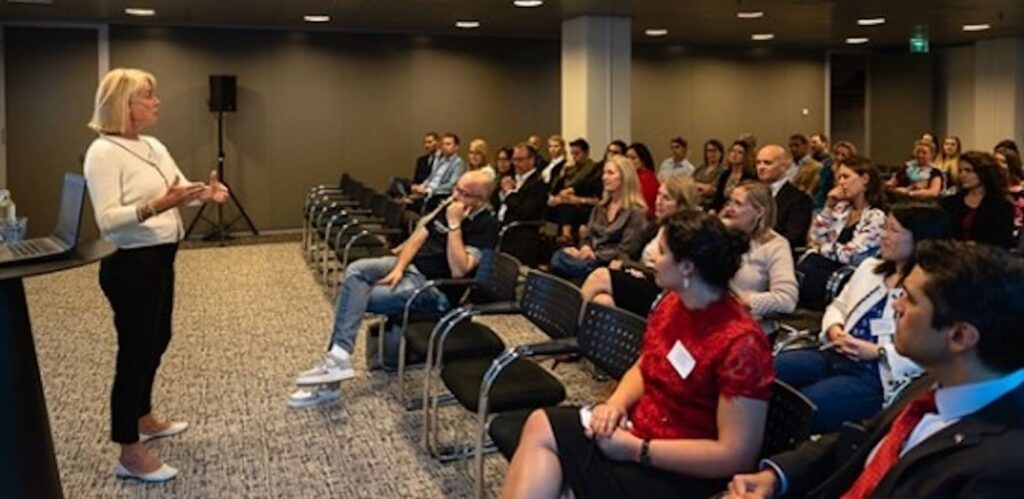
Haar educatieve achtergrond en ervaring in het bedrijfsleven vormen de basis voor haar huidige positie als Senior Adjunct Professor of Psychology and Management aan Webster University, onder anderen. Wereldwijde bedrijven hebben geprofiteerd van mevrouw Fitzgerald’s actuele en interactieve lezingen en workshops. Haar motiverende en inspirerende toespraken staan vast op de agenda voor diploma-uitreikingen en open dagen van universiteiten. Haar zeer charismatische persoonlijkheid en didactische vaardigheden inspireren verandering en creativiteit bij haar publiek en studenten.
1. Emotional Intelligence
The capacity to connect thinking with feeling is one of the hallmarks of great leaders. They use the powerful feedback of emotions, understand and respond to nature’s life-giving messages and enhance their lives and the lives of those they engage with. Emotional intelligence is not about being emotional. It’s about leveraging essential truths and putting emotions into the equation when making professional choices.
2. Spiritual Intelligence
Spiritual intelligence is not about religion. It’s a range of human qualities that may or may not be present in our religious leaders. Those with spiritual intelligence have several capacities required for success in today’s turbulent world. It’s important to identify these capacities and then do the work of strengthening these to enhance ourselves and our personal and professional communities. Making a lasting positive impact requires spiritual intelligence.
3. Applying Lessons from Positive Psychology
Emotions keep us alive. The core emotions of fear, anger, sadness and joy have been found in all cultures and appear at birth. Positive psychology extends the psychology paradigm from focusing on managing negative emotions into embracing and enhancing positive emotions. Fear, anger and sadness are meant to be temporary, to help us survive. The core positive emotion of joy is meant to be our more enduring emotion and the experience of joy is inextricably connected to growth and creativity. Positive psychology provides numerous lessons, techniques and insights on how to live life to the fullest.
4. Tapping into Human Potential by Letting Go of Control
Control is often about fear. When things are not fully understood, situations do not appear pleasant, or our environment seems threatening, fear can be a natural reaction. The problem arises when fear and control become our default response. When triggered, we become constrictive, our perception narrows, and our creativity suffers as a result — our best selves are not being activated. Letting go of the fear default is not easy but when we stop controlling and start using our more expansive selves, growth and creativity soar.
5. Appreciative Enquiry
The process of appreciative enquiry turns problem solving into opportunity finding. By following a few prescribed steps outlined in the model of appreciative enquiry, and asking ourselves some pointed questions, we find ourselves operating in a far more productive orientation than we are In when looking for solutions. Positive change is experienced, and innovative ideas and directions emerge.
6. Reflective Time Shifting
By engaging in reflective time shifting you turn your strategic planning sessions into the more powerful experience of looking at the future from a present orientation. This change in perspective opens up possibilities that strategic planning cannot capture. Reflective time shifting requires using the emotional skill where you project your present sensibilities into the future and then bring the insights gained back to the present to be tested and implemented.