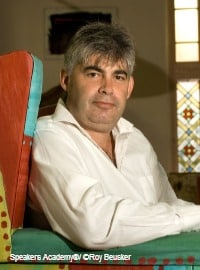
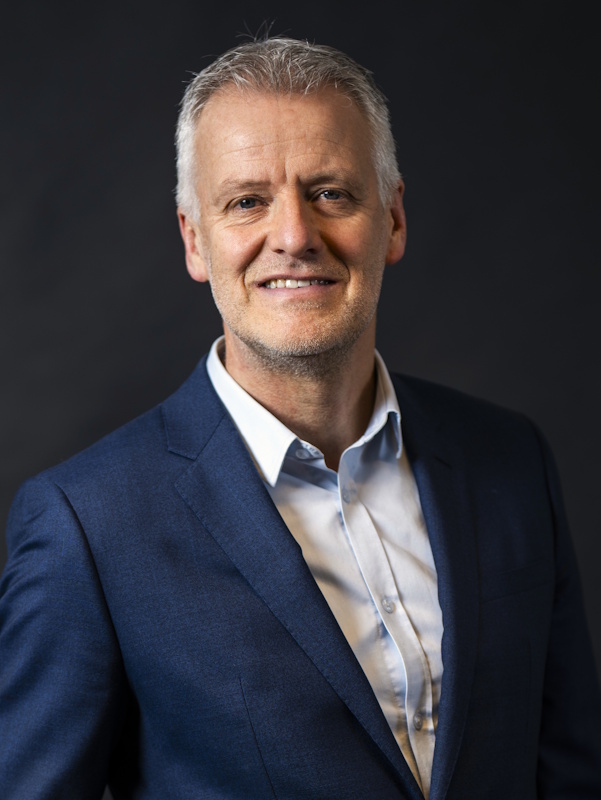
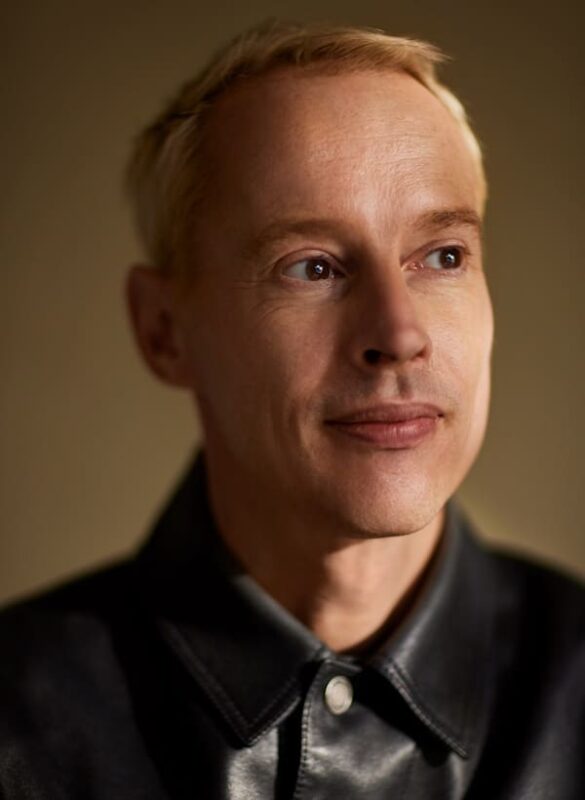
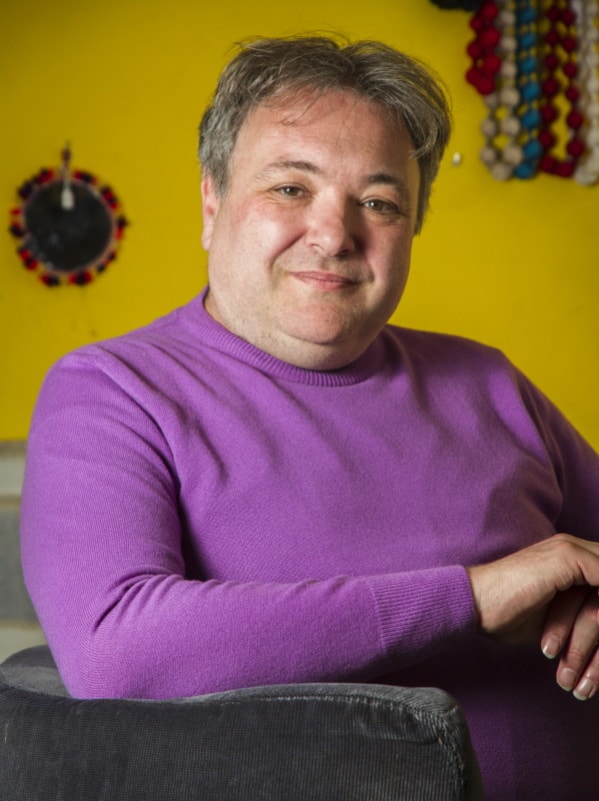
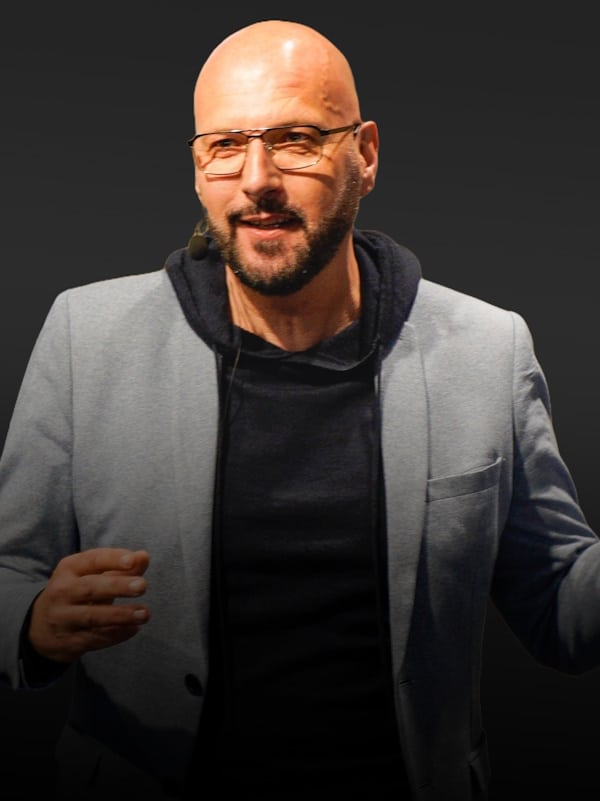
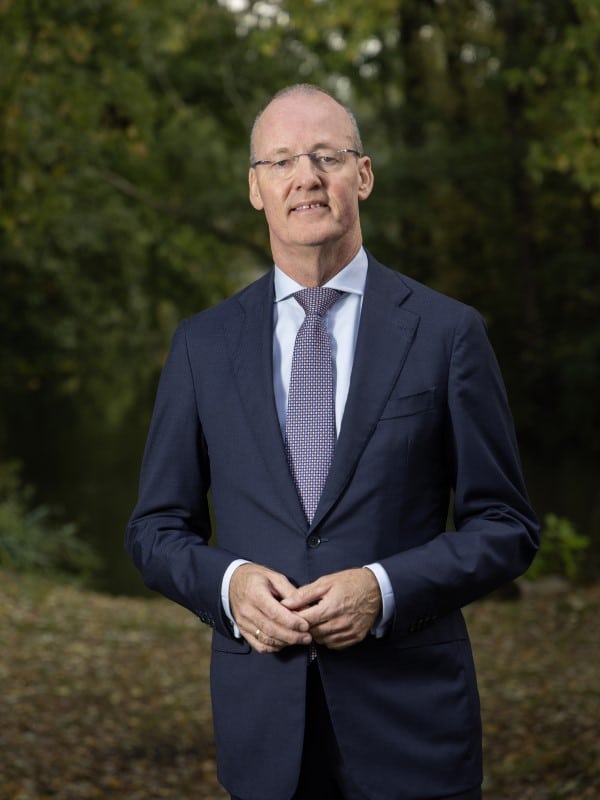
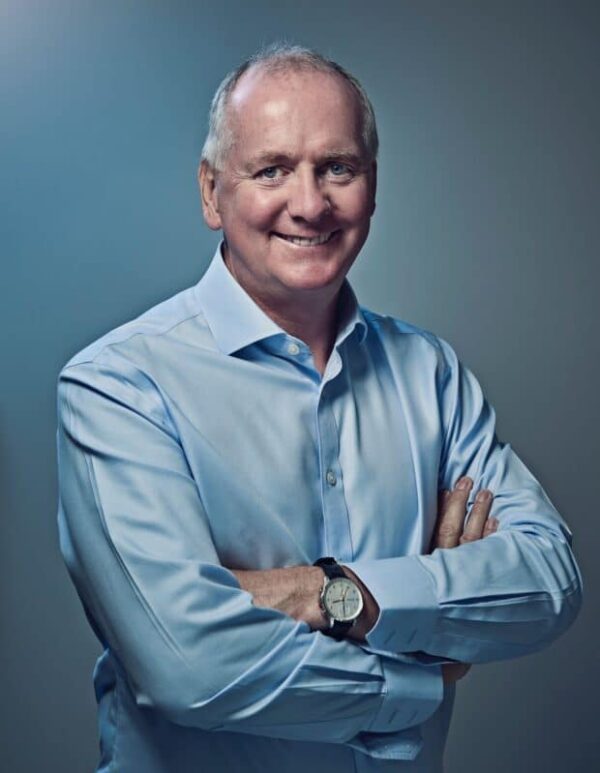
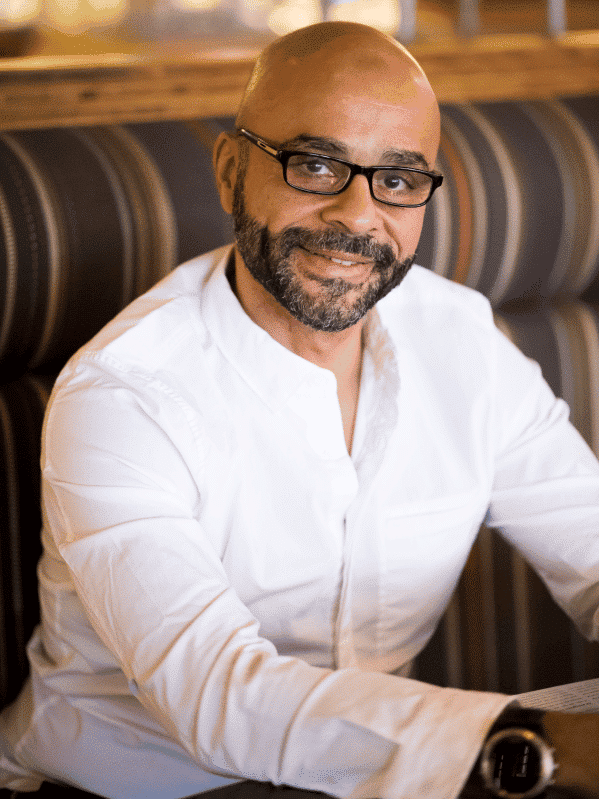
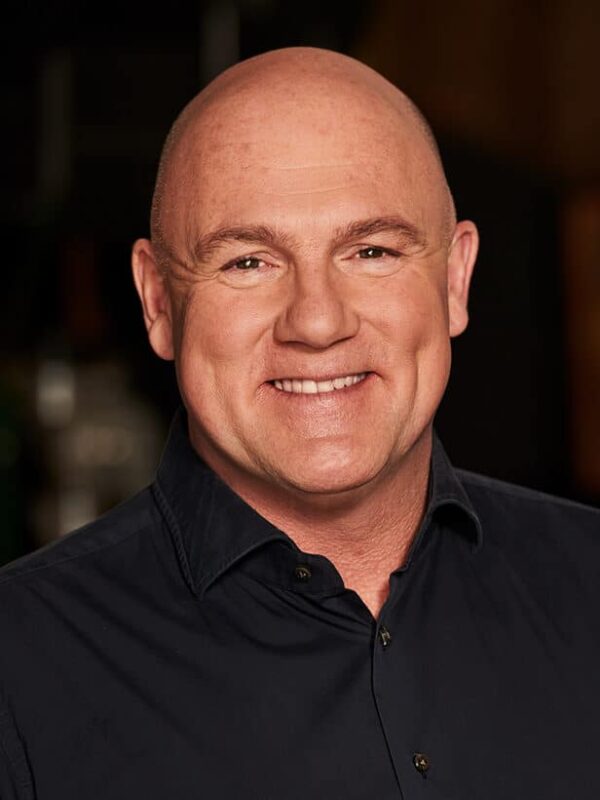
Drs. Rob Oudkerk studied medicine and initially worked as a nursing assistant and later as a lecturer during and after his studies. After completing his general practitioner training in 1986, he conducted three years of scientific research at the Faculty of Business Administration at the University ...
Drs. Rob Oudkerk studied medicine and initially worked as a nursing assistant and later as a lecturer during and after his studies. After completing his general practitioner training in 1986, he conducted three years of scientific research at the Faculty of Business Administration at the University of Groningen. His research focused on network structures in healthcare, on which he published two books. He also provided various training sessions in that context.
Since 1986, he has been working part-time as a general practitioner, first in a duo practice, now in a health center in the center of Amsterdam. In early 1990, he became a staff member at the National General Practitioners Association. In mid-1993, he was appointed Head of the Strategy and Policy Development Staff.
Rob Oudkerk has been publishing weekly in newspapers and magazines for years, also as a columnist and under pseudonyms. He has also contributed to scripts for theater and television.
Since 1996, he has led an annual political-social debate cycle five times a year. In 1995 and 1996, he was the presenter of the NCRV program ‘Spreekkamer’, followed by the presenter of the medical consumer information program of the NCRV, titled ‘Volgende Patiënt’. From 2000 to 2002, he had a weekly radio segment. He was a political analyst on Barend and van Dorp (ended in 2006) and is still active in that role at the Amsterdam station AT5.
From May 1994 to May 2002, he was a member of the House of Representatives for the PvdA. He was, among other things, the spokesperson for Public Health. For the last three years, he was also a member of the faction board. He was a member of the parliamentary inquiry committee into the Bijlmermeer air disaster from October 1998 to June 1999. He supported the opposition in two motions of censure aimed at the then ministers Jorritsma and Borst. In 1999, he initiated a law that allowed hospital pharmacies the freedom to supply medicines outside the hospital as well.
In early 2002, he became the list leader for the PvdA in Amsterdam. He was able to stop the rise of the Livable party as almost the only list leader in the Netherlands. In April 2002, he became the alderman for social affairs and employment, education, integration, and urban policy. In January 2004, he was forced to resign by his own PvdA faction.
In the autumn of 2005, Oudkerk published the book ‘Geen weg terug’. In it, he reflects on his years in The Hague and Amsterdam and his fall as an alderman. But the book is much more than that. It contains many impressions about life inside and outside politics. Rob Oudkerk writes about his passion as a general practitioner, about his motivations to enter politics with that same passion, about the results he achieved in politics, and about the things that failed. But above all, he describes the ailments that politics and politicians suffer from and the necessary changes and treatments in his view.
In 2009, he established the Jeugdfabriek, a network alliance focused on youth policy and youth care. Since 2012, he has been the director of the transformation factory, a network alliance that deals more broadly with necessary transformations in municipalities. He reorganizes health centers and was a lecturer on lifestyle changes among youth at The Hague University from May 2007 to September 2013. Additionally, he is a sought-after speaker at conferences. Rob Oudkerk holds several administrative positions at non-profit organizations in healthcare. Since March 2013, he has been the program manager for the three decentralizations at the municipalities of Amstelveen and Aalsmeer. Furthermore, he also plays an advisory role in the transformation process of the social domain for other municipalities.