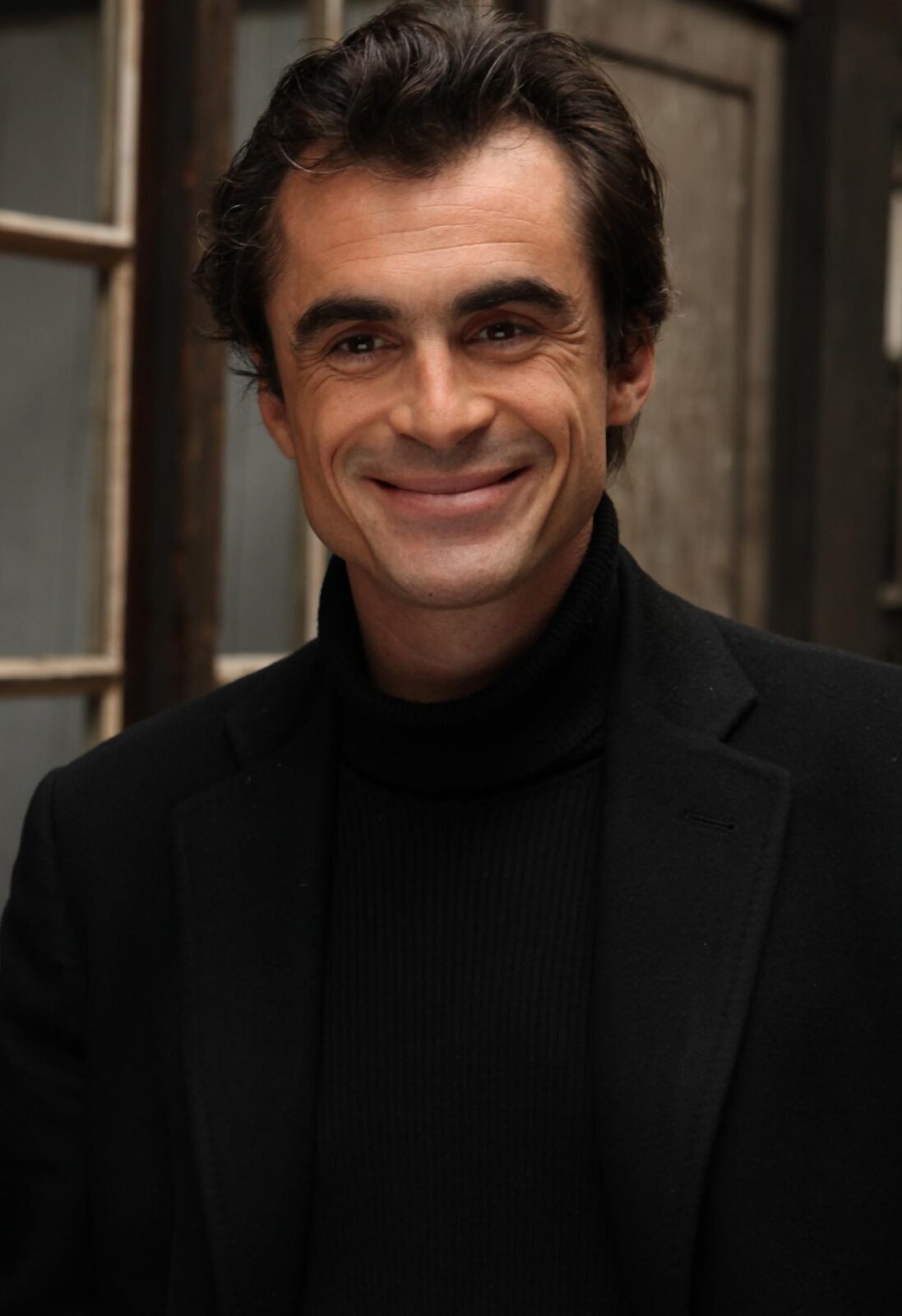
After working at Magazine LIRE from 2002 to 2005, Raphaël Enthoven participated in the launch of Philosophie Magazine, where he has held a regular column since the first issue, with texts compiled into three collections, all published by Gallimard (The Setting of the Scene, The Philosopher on Duty ...
After working at Magazine LIRE from 2002 to 2005, Raphaël Enthoven participated in the launch of Philosophie Magazine, where he has held a regular column since the first issue, with texts compiled into three collections, all published by Gallimard (The Setting of the Scene, The Philosopher on Duty and Other Texts, and Raw Material). However, his first book, straddling the line between essay and novel, titled A Child’s Play – Philosophy, was published by Fayard in 2007. Upon obtaining his aggregation, Raphaël Enthoven participated, alongside Michel Onfray, in the launch of the Université Populaire de Caen, then contributed to the creation of the Société Normande de Philosophie, before organizing and hosting, since 2004, first at the Bibliothèque François Mitterrand and then at the Théâtre de l’Odéon, about ten meetings a year with philosophers, writers, and art historians driven by the oxymoron dear to Antoine Vitez of ‘elitism for all.’ Concurrently, from 2003 to 2006, Raphaël Enthoven built an oral library on France-Culture as part of the program ‘Commentaires’ (available on CD), aimed at helping a broad audience understand the classics of thought. Finally, from 2007 to 2011, while designing and hosting the show ‘Philosophie’ on ARTE (since 2008), he produced and hosted ‘Les Nouveaux chemins de la connaissance,’ which still offers France-Culture listeners an hour of philosophy, art history, and literature daily. After participating in the morning show on France-Culture (‘The World According to Raphaël Enthoven’), Raphaël Enthoven launched a new program in September 2012, titled Le Gai Savoir, broadcast every Sunday from 4 PM to 5 PM. Whether on the radio, television, in newspapers, or in a classroom, Raphaël Enthoven teaches philosophy. ‘Philosophy makes you want to teach,’ he says, ‘just as love makes you want to sing.’ Starting from the principle that while philosophy may not progress, one can still make progress in philosophy, he focuses on showing how everyday life experiences resonate with classical texts. A fervent reader of Spinoza, he continually travels the path that leads, in L’Éthique, from the absence of hope to joy.