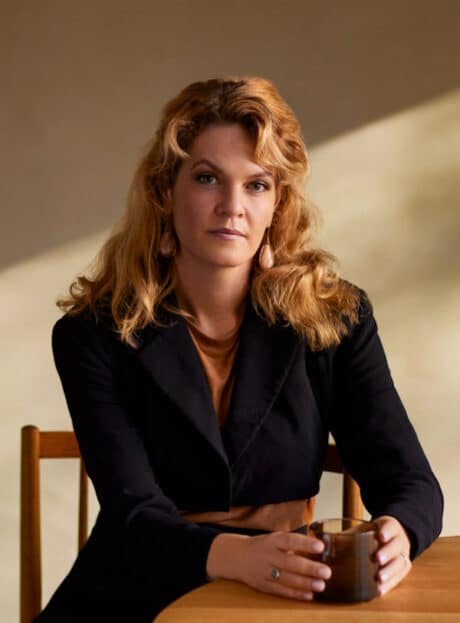
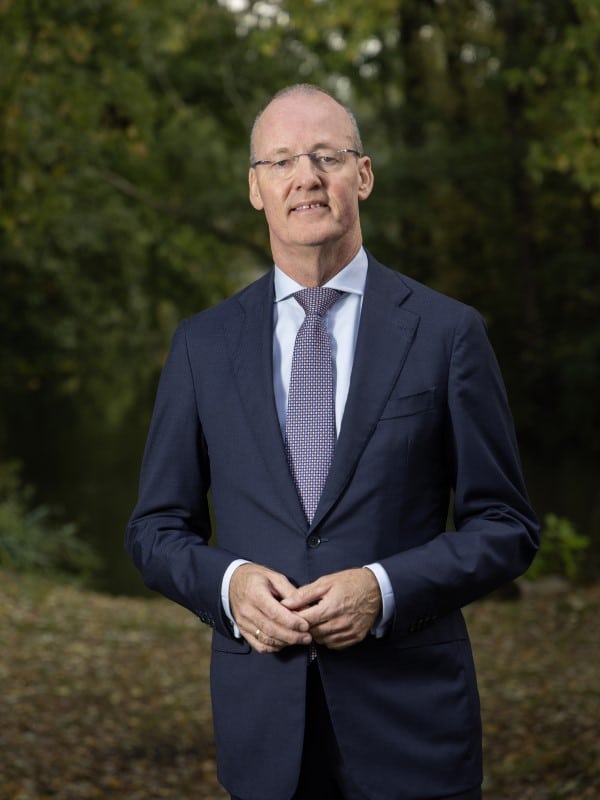
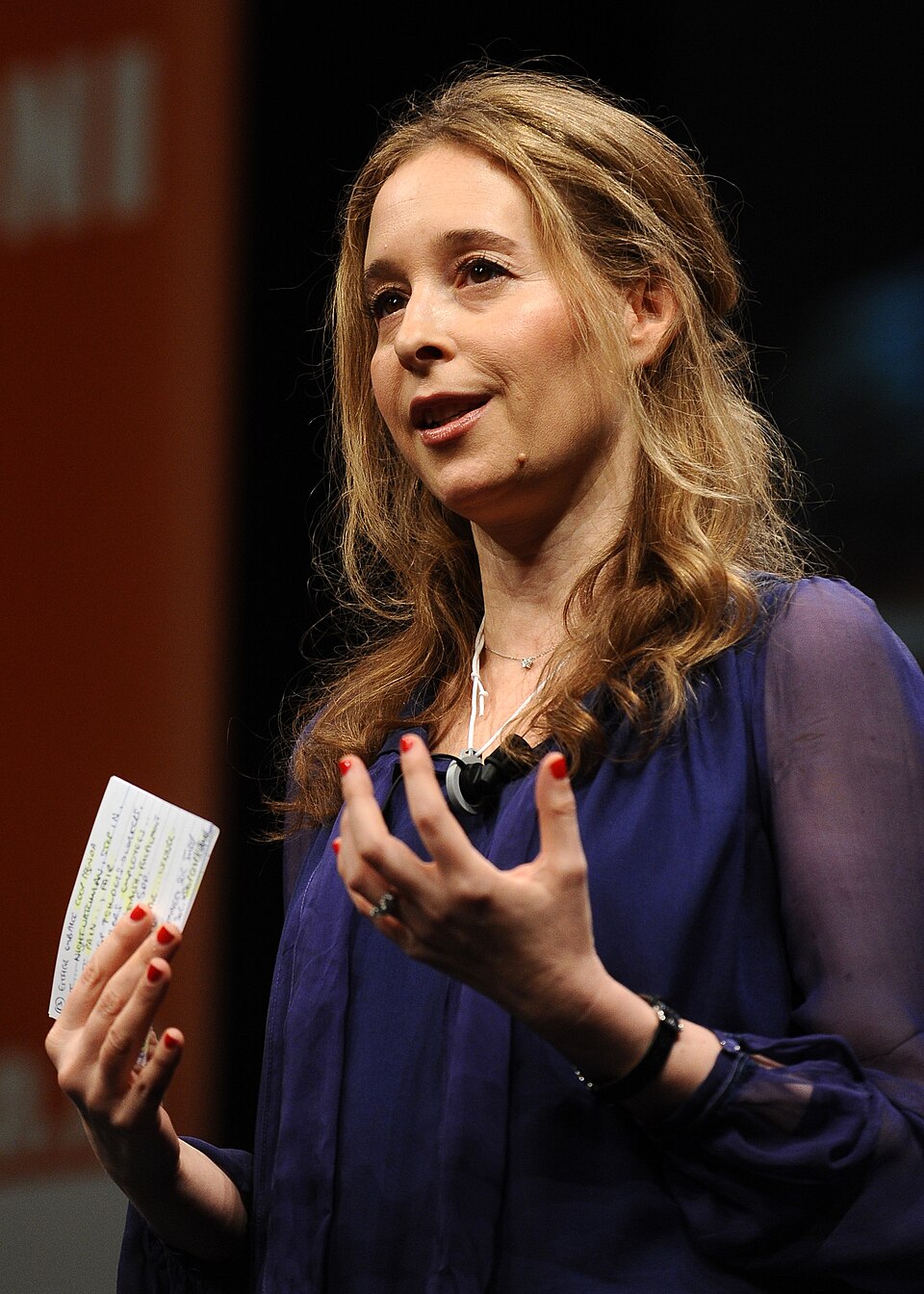
© Chris Peeters
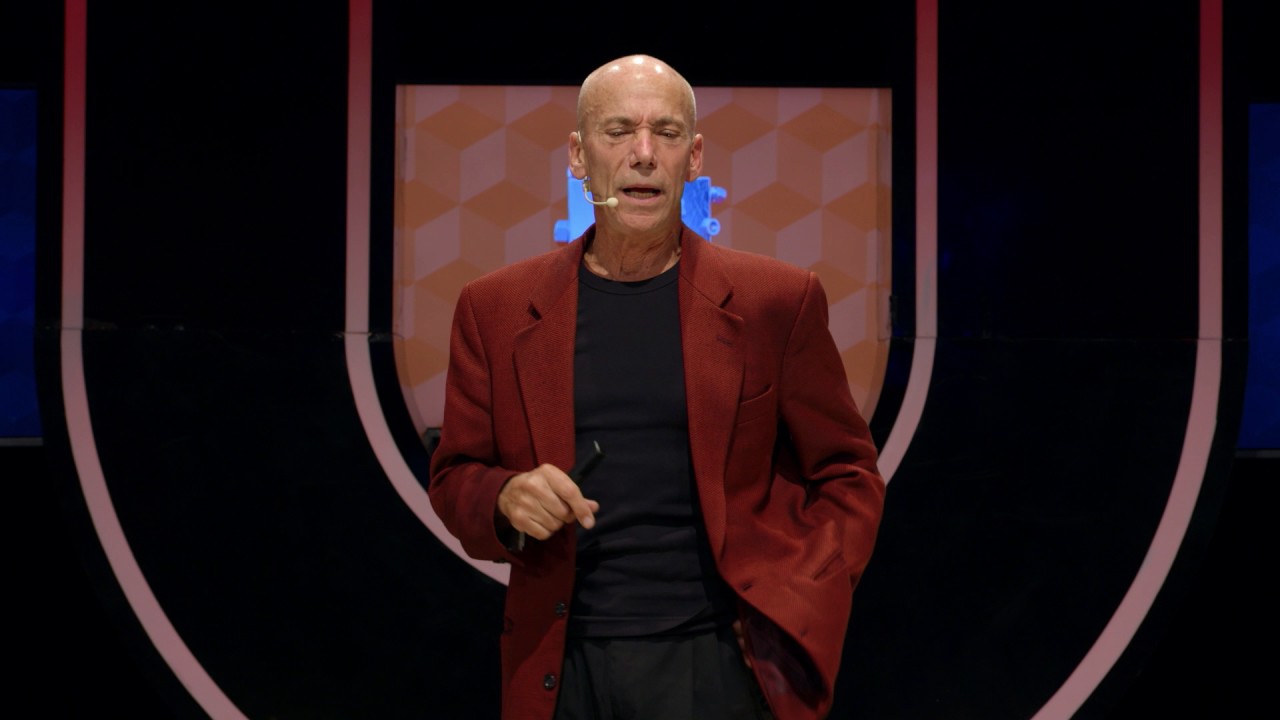
Paul Kirschner is a leading educational and cognitive psychologist and one of the sharpest voices in the education debate. For 50 years, he has researched and explained what effective teaching is — and what sounds good but does not work.
Paul A. Kirschner is one of the most influential voices in the national and international education debate. For decades, he has translated scientific insights about learning, memory, and teaching into clear, applicable education — and has debunked persistent educational myths and nonsense that do more harm than good.
He is a Dutch educational psychologist, researcher, and author, internationally known for his work in the fields of learning, memory, and instructional design. Paul is an emeritus professor at the Open University of the Netherlands, an honorary doctor (Doctor Honoris Causa) at the University of Oulu (Finland), a visiting professor at Thomas More University College in Flanders, and the owner of the educational consultancy kirschner-ED. Previously, he worked as a teacher of General Natural Sciences, Chemistry, and Mathematics in secondary education and was active in school boards and participation councils of both primary and secondary education.
He is regarded worldwide as a leading expert in his field. He was, among other roles, president of the International Society for the Learning Sciences (where he is also a Research Fellow) and is a Fellow of both the American Educational Research Association and the Netherlands Institute for Advanced Study in the Humanities and Social Sciences. Additionally, he was a member of the Scientific-Technical Council of SURF and the Education Council, where he advised the Minister of Education. Until recently, he was the editor-in-chief of the Journal of Computer Assisted Learning and commissioning editor of Computers in Human Behavior.
He has published approximately 450 scientific articles, in addition to several hundred popular science contributions and blogs for teachers and school leaders in both Dutch (e.g., monthly columnist for Didactief) and English.
Success leads to motivation, not the other way around
Additionally, he is the first or co-author of several influential and widely read books, including Instructional Illusions (also in Dutch: Onderwijsillusies), Wise Lessons, On the Shoulders of Giants, How Learning Happens (currently being translated and will be available soon), How Teaching Happens (also in Dutch: De kunst en kunde van het lesgeven), Evidence-Informed Learning Design, Ten Steps to Complex Learning, Developing Curriculum for Deep Thinking (also in Dutch: Kennisrijk, Kansrijk), and Urban Legends about Learning and Education (also in Dutch: Jongens zijn slimmer dan meisjes en Juffen zijn toffer dan meesters).
Throughout his career, Kirschner has been an influential voice in the debate on education and learning. He is known as an advocate for evidence-informed education and as a critical thinker who scrutinizes educational myths and unfounded fads. He is a proponent of evidence-informed education and has critically responded to popular but unfounded educational practices (educational myths and eduquacks).
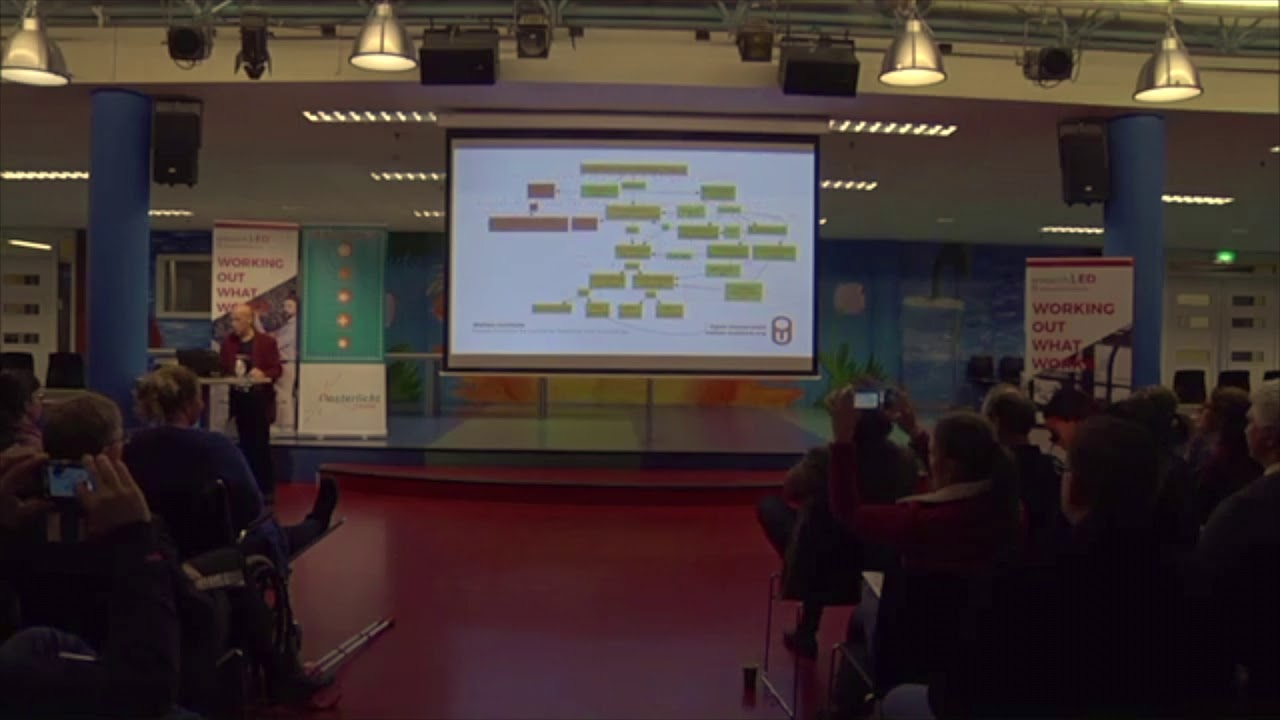
His lectures combine scientific depth with clear explanations, relatable examples, and direct applicability to educational practice, targeting teachers, school leaders, trainers, policymakers, and administrators. They are known for their combination of scientific sharpness, clear language, and direct applicability.