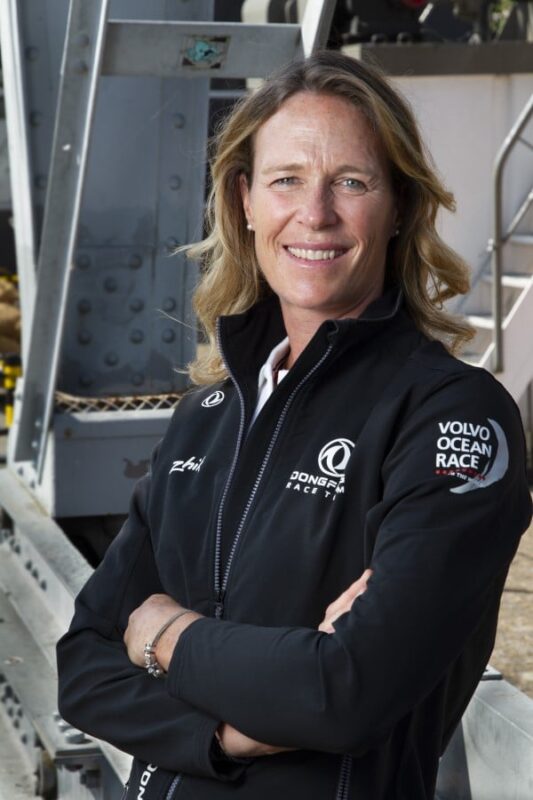
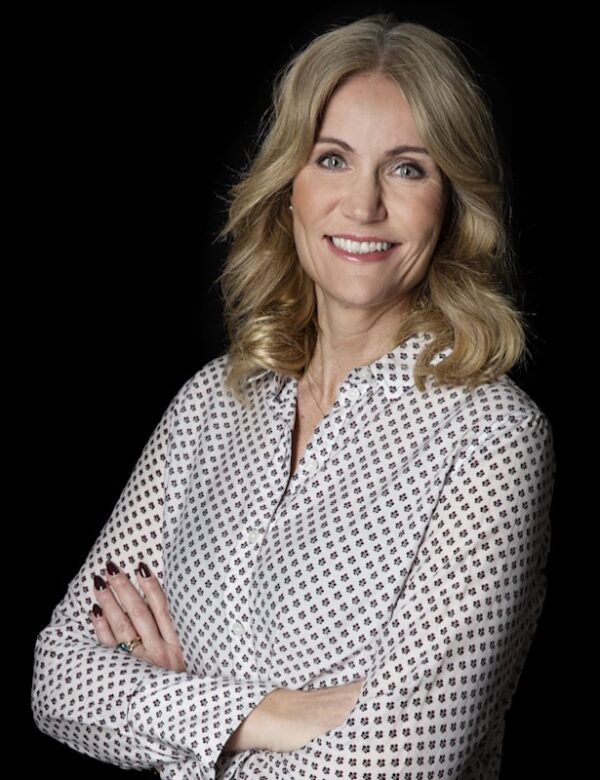
Mirjam Bruijstens is a business administrator who has entered the wonderful world of welfare, specifically youth welfare. Mirjam has dedicated 20 years to her mission to demonstrate that 'policy-wise challenging' neighborhoods can indeed show positive trends.
Mirjam Elisabeth Bruijstens accidentally found herself as a business administrator in the wonderful world of welfare, particularly youth welfare. As a mother of three, she started a hockey club in the Rotterdam neighborhood of Delfshaven, where she encountered too many children who could not be members of a sport and decided: this is not okay. We should never accept this as a country.
Mirjam is originally a business administrator and a Rotterdam native. Quite no-nonsense and focused on taking action in the city, so that the city can be a pleasant, warm place for more Rotterdammers.
Ten years ago, Mirjam started a hockey club in the Rotterdam neighborhood of Delfshaven. A neighborhood that policymakers often view as one of the top 5 worst neighborhoods in the Netherlands, with persistent issues for decades, and so on. But it is also the neighborhood where Mirjam is raising her children and thus started a sports club.
Since then, things have literally and figuratively started to roll. It cannot be that Mirjam’s children can be members of a sports club while other children in the neighborhood cannot. We accept it together, but why?
Mirjam has dug deeper and especially started to experiment and take action. A second club, together with the welfare organization, a sports equipment bank, which has been gloriously established by Erna Truijens. A welfare organization focused on youth.
During this journey, many issues have come to light that are so distressing and need to be heard. It really must be different, and we can all contribute our part, but the system surrounding youth welfare also needs a complete overhaul.
Mirjam has dedicated 20 years to her mission to show that initially her neighborhood Delfshaven, but later all other ‘policy-wise challenging’ neighborhoods can indeed show positive trends. This is simply possible, provided we organize it completely differently.