© Lavinia
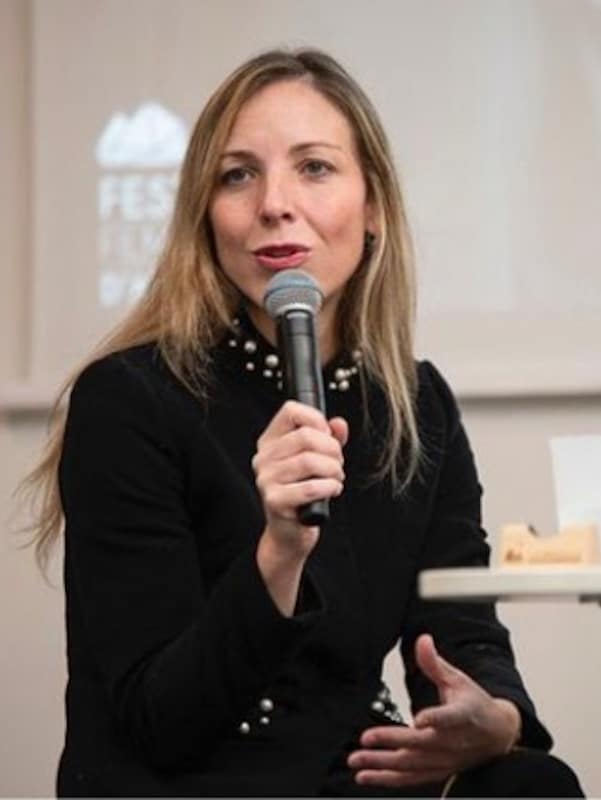
She holds up a mirror, encourages reflection, and most importantly: she creates an atmosphere where one can dare to speak the truth, no matter how difficult that may be.
Kitty Nooy challenges you to engage in discussions about the importance of integrity and ethical leadership within organizations. She shares her experiences and engages with you about where you stand as an employee and/or executive regarding ethical leadership and ‘the courage to speak the truth’.
After completing the Raio training (judicial officer in training), Kitty worked as a (press) public prosecutor in Dordrecht and The Hague, as the chief public prosecutor of the Hollands Midden police region, and she served for eight years as the national portfolio holder for integrity at the Public Prosecution Service.
Authenticity, courage, accessibility, empathy, and especially a sense for people were necessary to make a difference in these roles.
Around 2000, she was threatened in her role as a public prosecutor and had to stay abroad with her family for a short time. This was a significant experience that further developed her independence and personal courage.
The approach to and communication surrounding the crisis that arose after the shooting incident on April 9, 2011, in Alphen aan den Rijn received her much positive feedback. She was nominated for the media award 2011 and ranked in the top 10 of the magazine Opzij’s 100 most powerful women in the category of Justice and Public Order. De Volkskrant described her as someone “with an eye for detail and free from pompous language.”
Since 2010, she has developed a new integrity policy for the Public Prosecution Service at the request of the College of Chief Prosecutors, as the portfolio holder for integrity. Important pillars included the Integrity Bureau, internally trained investigators, integrity confidants, and the Advisory Committee on the handling of integrity incidents. This new policy did not go unnoticed: in 2013, she was invited by GRECO (Group of States against Corruption, a treaty organization under the Council of Europe) to present this integrity policy as a best practice in Strasbourg.
The presence of a solid integrity system and formal procedures – the so-called ‘hard side’ of integrity – proved to be insufficient, as highlighted in the publication of the Fokkens report. This report identifies several integrity violations that were brought to light through Kitty’s efforts and work, and it criticizes the Public Prosecution Service for a lack of ethical leadership.
With the same drive and enthusiasm with which she has long made the influence of attitude and behavior (the soft side of integrity) a topic of discussion, she now advises and inspires executives/employees. She holds up a mirror, encourages reflection, and most importantly: she creates an atmosphere where one can dare to speak the truth, no matter how difficult that may be.