About
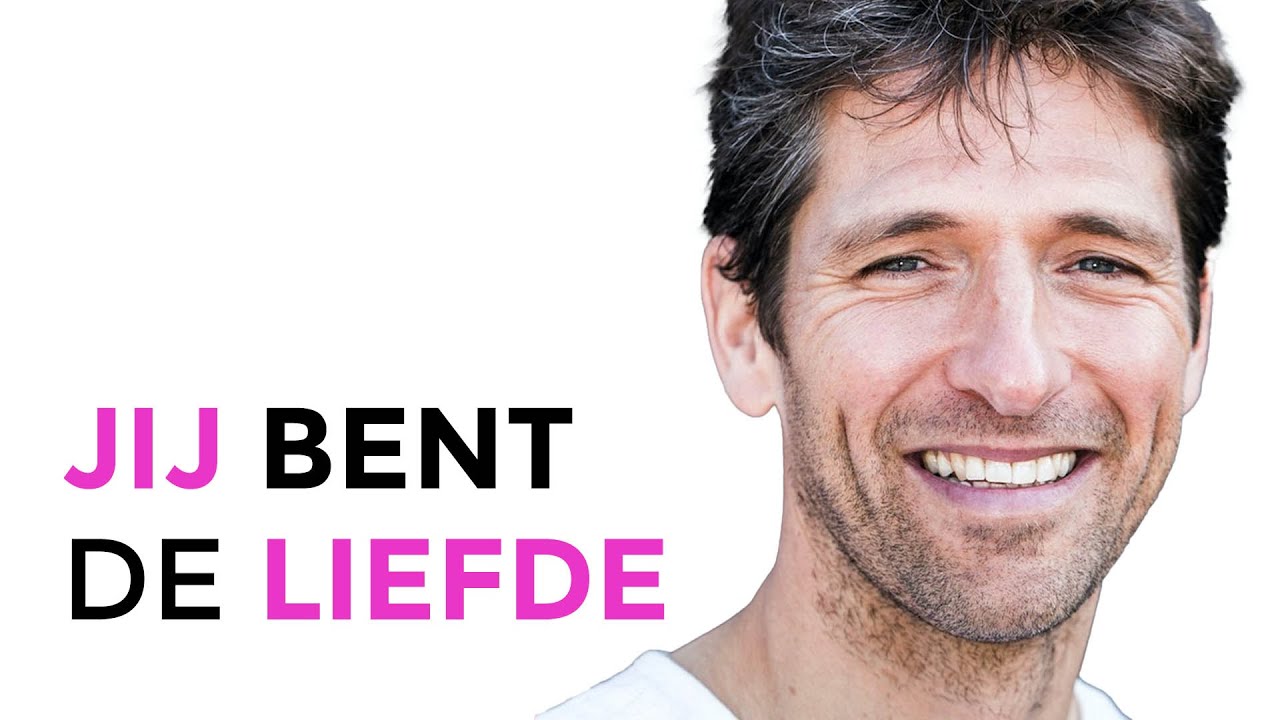
Juriaan Galavazi
In his nearly 20 years as a general practitioner, with over 15 years running his own practice, there is one thing he has particularly learned: your body is smarter than your mind. Where your mind can no longer say no, your body will do it for you.
As one of the first in the Netherlands, Juriaan Galavazi established a medical center where, in addition to regular care, a broader approach to complaints was taken with many different forms of guidance. He stepped outside the beaten paths and trusted frameworks. This taught him to deal with resistance and to maintain course despite it.
He has been guiding people for more than 10 years to feel physically and mentally healthy. In addition to his role as a doctor, he is the author of two bestsellers “Van klacht naar kans” and “Jij bent de liefde” and regularly appears in the theater with training sessions and theater lectures. He also conducts intensive coaching programs both domestically and internationally. In these programs, people learn to reconnect with their bodies, determine direction, and make choices that are truly right and fitting for them, even when it is exciting or complicated. This applies both to themselves and in relation to the world they are part of, so they can add value to their own lives and to those of others.
Where your mind can no longer say no, your body will do it for you
1. A Different Perspective on Care
There are 5 major potential causes of complaints over which we have a significant amount of influence ourselves:
- Prioritising someone else’s needs over our own.
- Feeling responsible for the feelings and emotions of others.
- Identifying with or merging with our responsibilities and obligations.
- Suppressing uncomfortable feelings like pain, sadness, and anger out of fear of losing connection (meanwhile, you lose connection with yourself).
- Dissatisfaction.
All of these lead to more stress and tension, which eventually result in physical and mental complaints. As healthcare providers, we are often focused on resolving the complaint as quickly as possible. You are also judged on this as a healthcare provider. But suppose your body is smarter than your mind, and where your mind can no longer say no, your body does it for you. Then it might be that, when you want to resolve the complaint as quickly as possible, both the doctor and the ‘patient’ miss a turn.
2. Stress / Burn-out / Work-life balance
How do you deal with stress and tension? How do you learn to use these discomforts to your advantage instead of against you? We are often inclined to move away from discomfort as quickly as possible, focusing on solutions to continue our path. But suppose your body is smarter than your mind and it says, “Whoa, stop, this far and no further!” What is it actually telling you? What should you change in your life so that it is right and fitting for you again?
3. Setting Boundaries Self-care
How do you express what you need? How do you tell someone that you need more rest, space, or freedom? How do you express what you feel, think, and believe?
That is a challenging place. Because if you stand up for what you think, feel, and how you view the world, the question is not whether your environment will have an opinion about it, but when. So how do you prevent yourself from slipping back into old reflexes out of fear of not being good enough, fear of losing connection, or fear of the unknown, the possible consequences of your choices?
4. Fulfilment
Knowing what is right and finding the courage to act accordingly.
Who do you want to be? What skills and qualities does that person possess? What choices do they make? We are often focused on WHAT we want, but the question of WHY you want it is much more valuable. Ultimately, you don’t want a cool company or a great job and then lie awake at night with stress and tension. You want to gain an experience in that company or job. So what do you want to experience in terms of feelings and emotions? And the third question is even more important: Where are you now? What programmes are you running on? If you don’t have those beliefs in view, they will certainly determine all your choices, actions, and thus your quality of life as the pressure increases.
So: who are you and who do you want to be?
5. Connection and Relationships (work and private)
The scary difference between an intimate relationship and all your other relationships is precisely that: intimacy. The rest is exactly the same. How do you stay true to yourself and also stay connected with the other person? In practice, this is not so simple. We often lose ourselves in people-pleasing behaviour, adapting and behaving. Or we put up a wall, remain silent, or disappear with the idea that we will do it alone. Neither is constructive. There is a way to stay true to yourself and remain connected with the other.