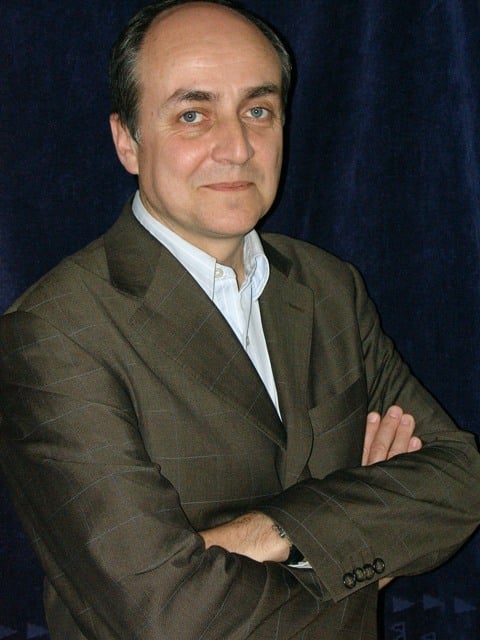
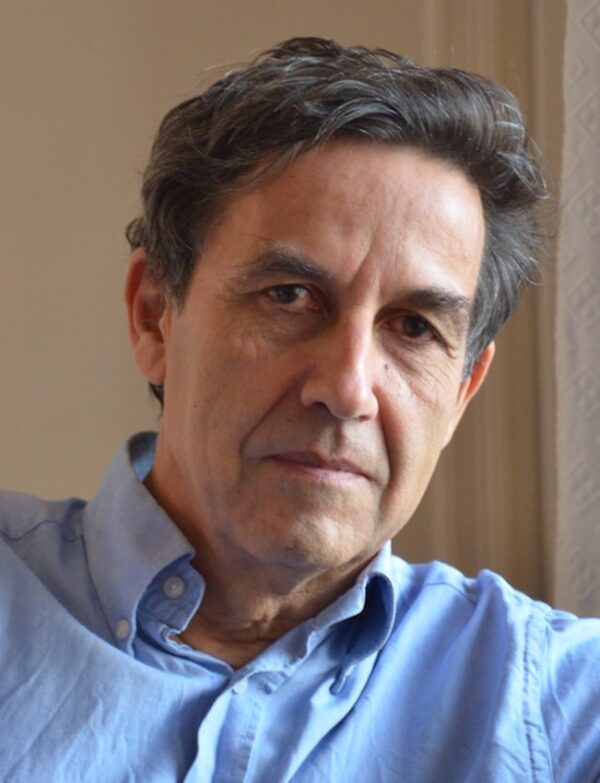
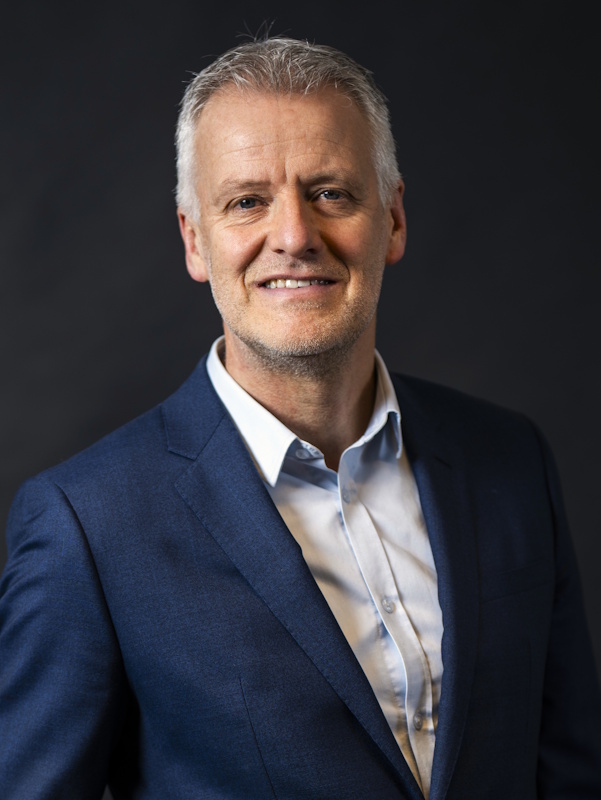
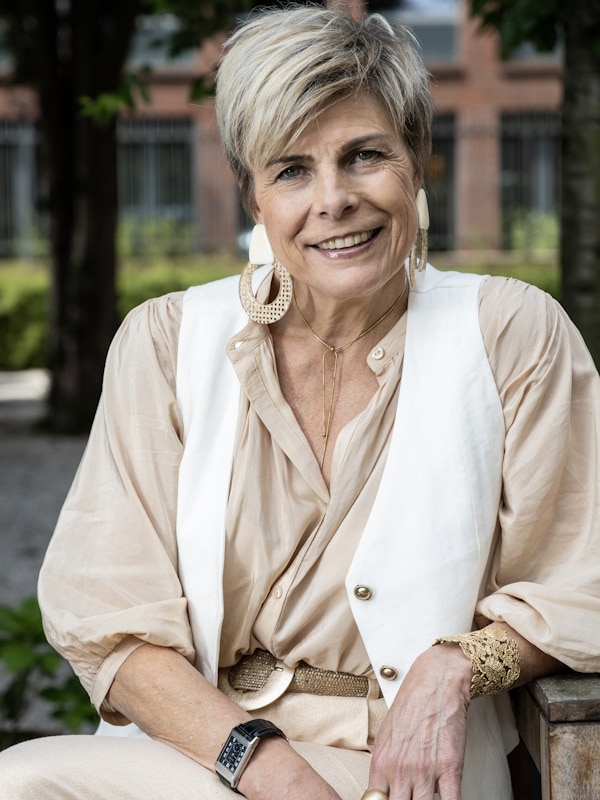
Jacques Généreux, author of 23 works, is a university lecturer and professor at IEP Paris (Sciences Po), where he has been teaching economics since 1983. He has also been an editor and collection director at Éditions du Seuil since 1991. Additionally, he created and hosted the program ...
Jacques Généreux, author of 23 works, is a university lecturer and professor at IEP Paris (Sciences Po), where he has been teaching economics since 1983. He has also been an editor and collection director at Éditions du Seuil since 1991. Additionally, he created and hosted the program “L’économie en questions” on France Culture for five years.
His textbooks and introductory works have been bestsellers for over 20 years. His latest work proposes a rethinking of political philosophy and economics based on the contemporary state of knowledge regarding the development of human beings and human societies (neurobiology, ethology, anthropology, experimental psychology, etc.). Starting from how an individual grows up in society and builds their freedom, he develops an original framework for understanding the evolution of societies, a critique of the erroneous conceptions of human beings that often underpin political doctrines of all kinds, and the pathways for rethinking a “society of human progress.” This anthropological rethinking is published by Seuil in the trilogy In Search of Human Progress. His teachings currently focus on economic philosophy, economic anthropology, and the history of thought.
An heterodox economist, he strives to make a scientific critique of the dominant neoliberal thought accessible to all. He promotes a “human economy” that fosters the simultaneous flourishing of aspirations for autonomy and cooperation, a “plural economy” that combines the benefits of “good competition,” “solidarity competition,” public services, social protection, and efficient and democratic public regulation. A pro-European, he voted “yes” on the Maastricht Treaty and “no” on the European constitutional treaty, based on the same convictions he articulated in the main argument for the left’s “no” in the 2005 referendum (see his Critical Manual of the Perfect European).
As an intellectual engaged in public debate, he was a member of the National Council of the Socialist Party until 2008, before participating, with Jean-Luc Mélenchon, in the founding of the Left Party, where he served as national secretary for the economy until April 2013. In this role, he notably developed an original strategy for exiting the crisis without austerity and without leaving the euro (see his bestseller We Can! Anti-Crisis Manual for Citizens).
A seasoned speaker in all forms of interventions (conferences, televised debates, meetings, round table discussions), his discourse always combines the simplicity of a pedagogue, the rigor of an economist, the long-term vision of an anthropologist, and the practical concern of a political leader focused on action.