About
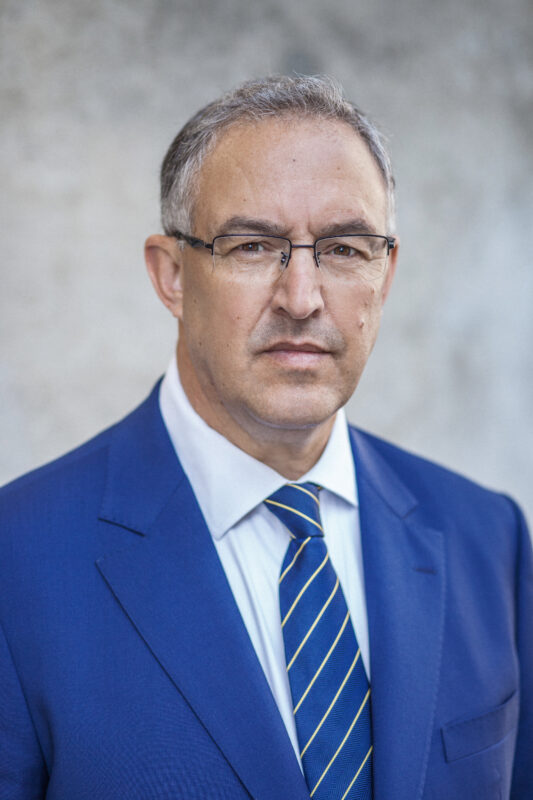
Gerko Tempelman
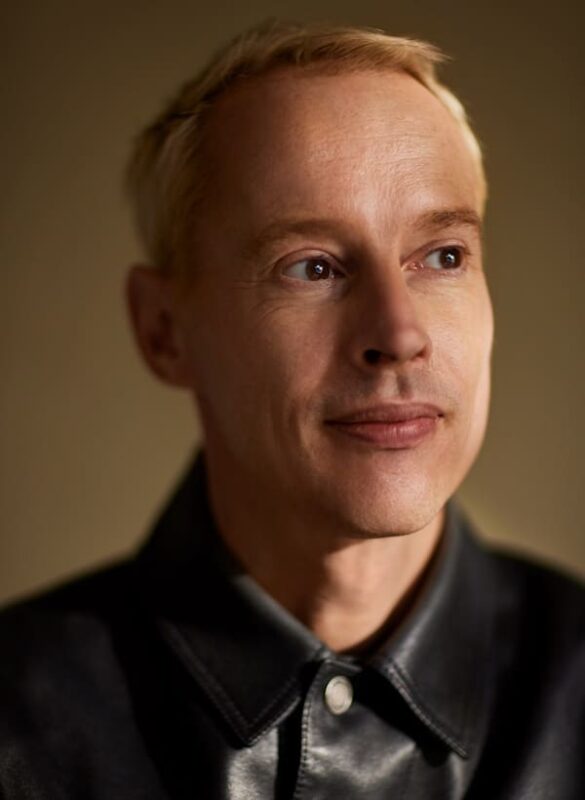
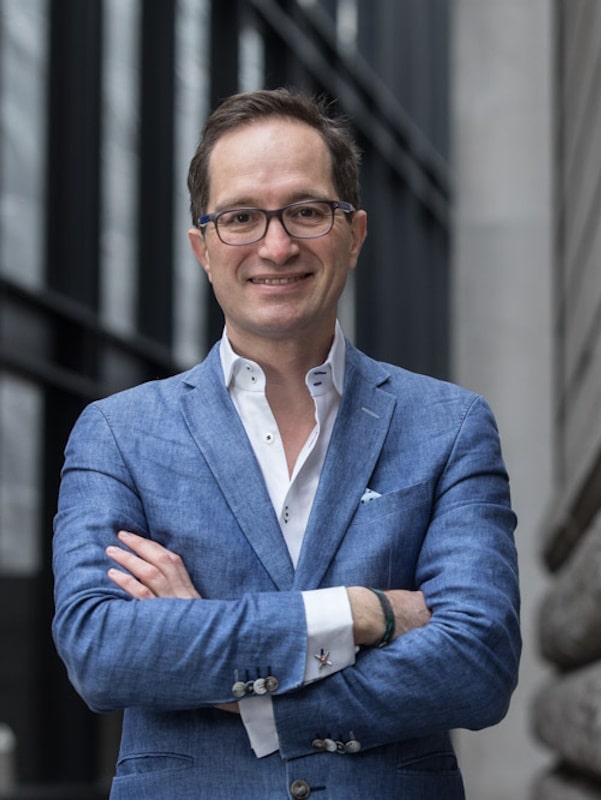
Invite a philosopher! It is precisely when we bring together different fields and ways of thinking that inspiration and connection arise. Gerko Tempelman pioneered the groundbreaking Death Café, was a minister in Amsterdam, and lives as a volunteer in a shelter for homeless families.
He translates philosophical ideas about AI, religion, and polarization into clear, concrete insights that your organization can immediately utilize. As an academically trained philosopher and theologian and the author of three well-received books, Ongeneeslijk Religieus, Verlost van Onzin, and Onzeker Weten, he leans on a solid intellectual foundation. But his true strength lies in making unexpected connections that can forever change your perspective.
Gerko does not shy away from discomfort. As a pioneer of the groundbreaking ‘Death Café’, former minister of a young Amsterdam community, and resident of an Amsterdam emergency shelter for homeless families, he consciously seeks out the places where ways of thinking clash. He knows better than anyone how to create a safe environment for difficult conversations. His lectures are an invitation to step out of your own bubble and to see friction not as a threat, but as the fuel for innovation and genuine connection.
What can you expect?
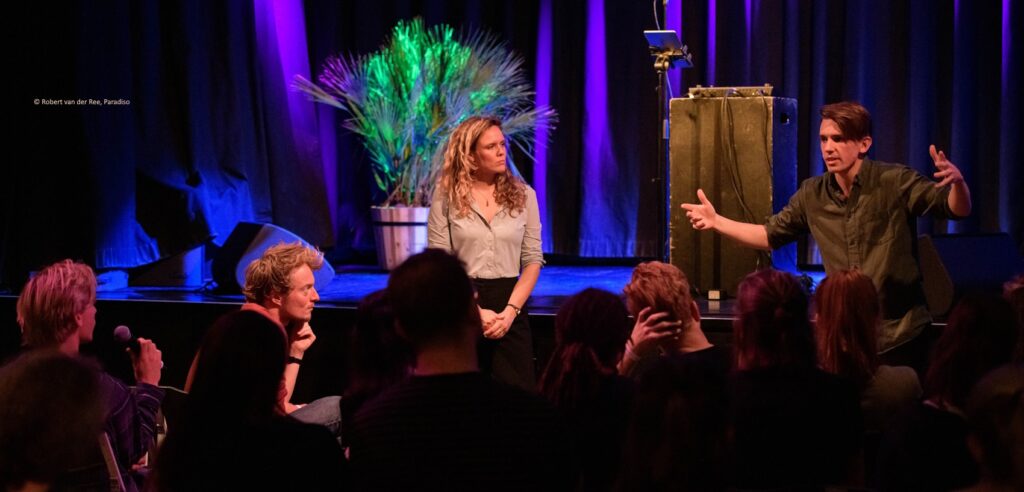
A lecture by Gerko is more than a presentation. It is a carefully composed experience. With his experience as a dramaturg at the music theater collective KASSETT, he masters the art of storytelling. He knows how to build tension, use humor, and engage an audience from start to finish. His intelligent, interactive, and energetic style ensures that the message is not only heard but also felt. This leads to no easy answers, but better questions and an inspiring experience.
1. Beyond the Facts - Clashing Worlds of Thought as a Source of Inspiration
How do I persuade another? With logic and facts, as I learned in university. But as a minister, I discovered something else: people change through encounters that touch them. I am an example of this myself.
I am Gerko Tempelman, philosopher and minister. And in a world addicted to data and polarisation, I combine philosophical ideas with personal experiences. For the best ideas do not arise from logical reasoning, but from the clash of worlds of thought. They emerge where consensus ends and friction begins.
What I do on stage aligns with my books and articles in NRC and Trouw: sharp philosophical ideas, raw ministerial experience, and honest self-reflection in one story. The result: honest questions and a real conversation that hits the core. And the courage not to avoid discomfort, but to use it as a source of connection and progress.
2. Beyond Our Own Rightness
We do not combat fake news and polarisation with even more facts. People are not logical machines, but storytellers. In this urgent and stimulating story, Gerko takes the audience through beliefs, uncomfortable emotions, and worldviews that determine which facts we believe. Based on his publications in NRC Handelsblad, Gerko exposes the philosophy of beliefs and, with vivid stories from his own experience, he tells how people truly change their minds: not through arguments and logic, but through encounters that touch.
Together with the audience, he discovers how we can have a conversation beyond the opposition of ‘right or wrong’. For everyone who wants to de-escalate and connect.
3. Human versus Machine => A.I. as an Opportunity
What artificial intelligence (A.I.) teaches us about human intelligence
We know what artificial intelligence can do. For the future, the question is: what does A.I. do to us? Most answers to that question are bleak. And that is often justified.
But artificial intelligence is also an opportunity. Not to go harder, stronger, and higher – but a clashing reality that gives us insight into ourselves again. Artificial intelligence gives us the chance to see what human intelligence is.
In this sharp and surprising story, Gerko shows that the challenge is not to keep up with technology, but to invest in what makes us human. Afterwards, the audience has developed a new way of looking that can be concretely applied to everyday life and the workplace.
It is time for a more intelligent view of artificial intelligence.
4. Uncertain Knowing
Everyone is a believer. We have political convictions, believe in our company’s mission, and continue to believe in ourselves.
Gerko grew up in a pillarised Reformed environment and knows the world of conviction and doubt from the inside. He made it his work.
With that experience and a hefty dose of philosophy, he addresses questions such as: how do we deal with colleagues who hold fundamentally different worldviews? How do we keep the conversation going in a polarised society?
5. The Last 1000 Days
Finitude as a Starting Point: Lessons from the Death Café.
I once initiated the Dutch Death Cafés: conversations about death around the coffee table. I discovered: conversations about the end bring depth, connection, and focus.
Imagine: your team or organisation has exactly 1000 days left. The clock is ticking. Which projects become immediately unimportant? And what is that one meaningful achievement that defines your legacy? What do you take on, what do you leave behind?
In a combination of sharp philosophical ideas and striking stories from the Death Cafés, Gerko touches on two themes. On one hand, meaning and the question of which work matters. On the other hand, collaboration and how we work towards a culture of openness and trust. It turns out that precisely a story about the end leads to the most lively conversations about the future.
6. The Philosophical Intervention
People like to gather like-minded individuals around them. But as a result, many organisational issues remain stuck in the same logic, from leadership and change to the ethics of A.I. But something can be done about that.
In a philosophical intervention, Gerko exposes why we think the way we do. He uses, for example, his study of Islamic philosophy, a ‘forgotten’ tradition of thought. There, he first discovered what his own assumptions were. Only then does space arise for a different, surprising logic.
Give me a subject and I will philosophise about it, guaranteed to say things you have not heard before. And with such a small clash of worlds of thought, you immediately increase the thinking power at your away day, conference, or strategy session.