About
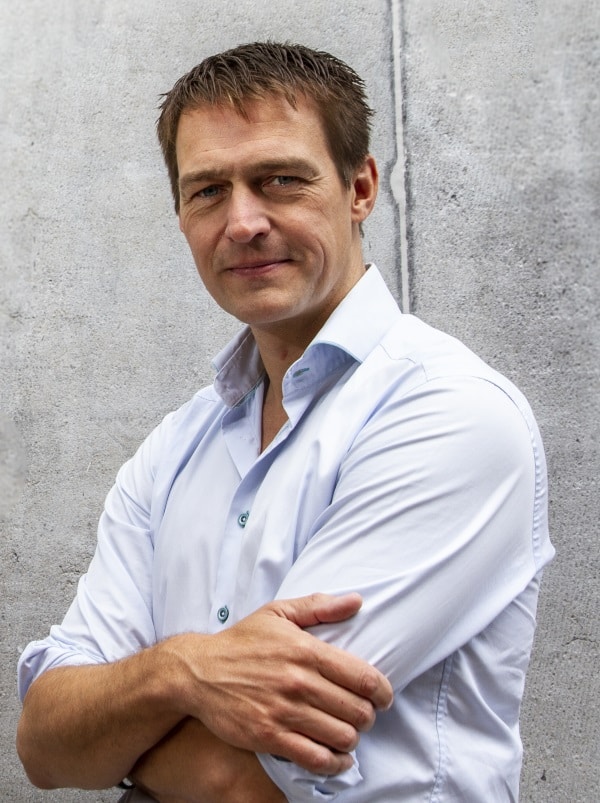
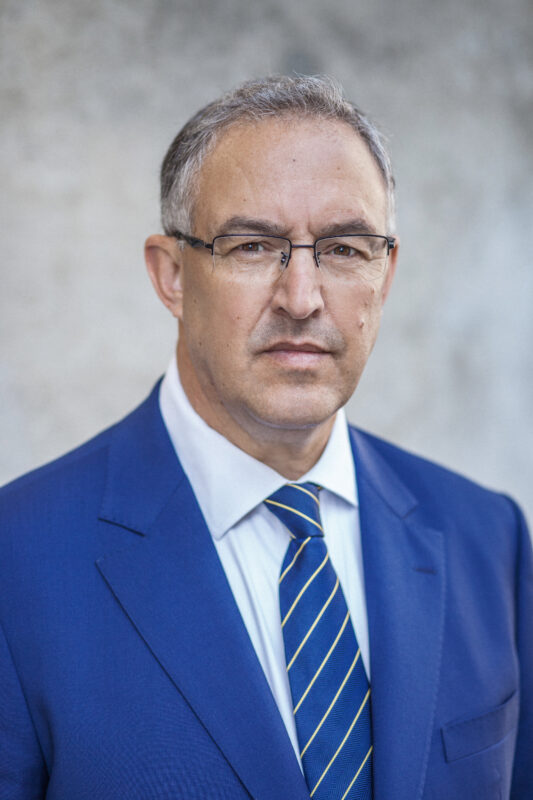
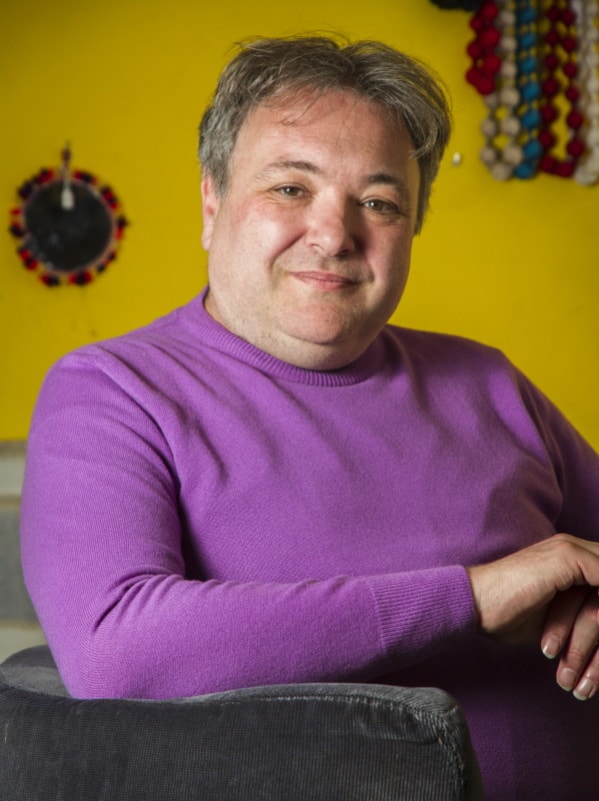
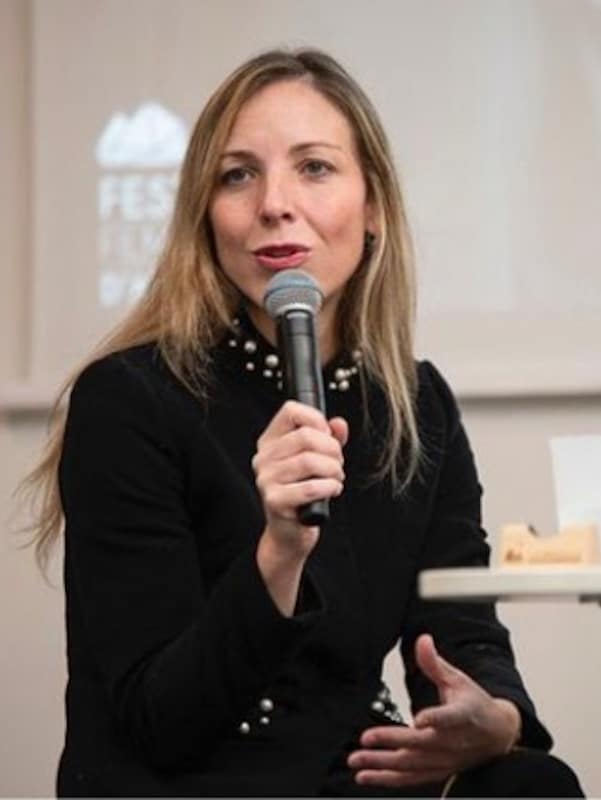
Erik-Jan Vlieger
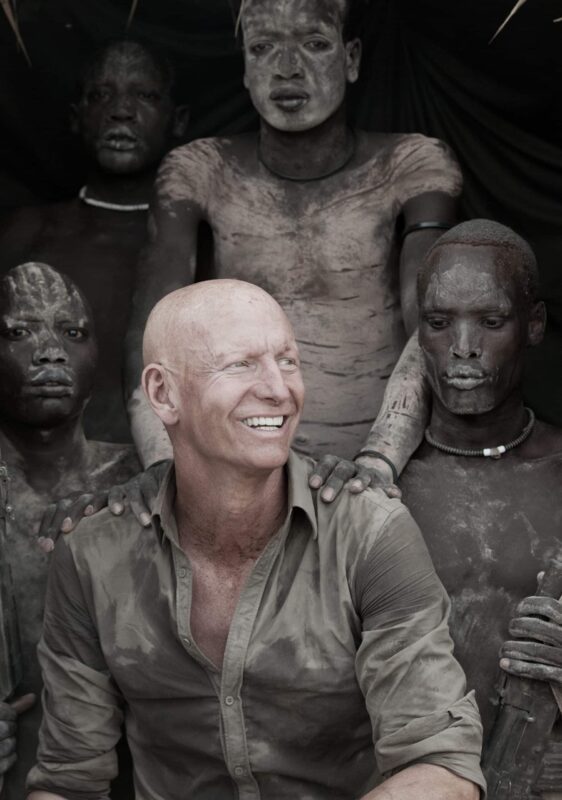
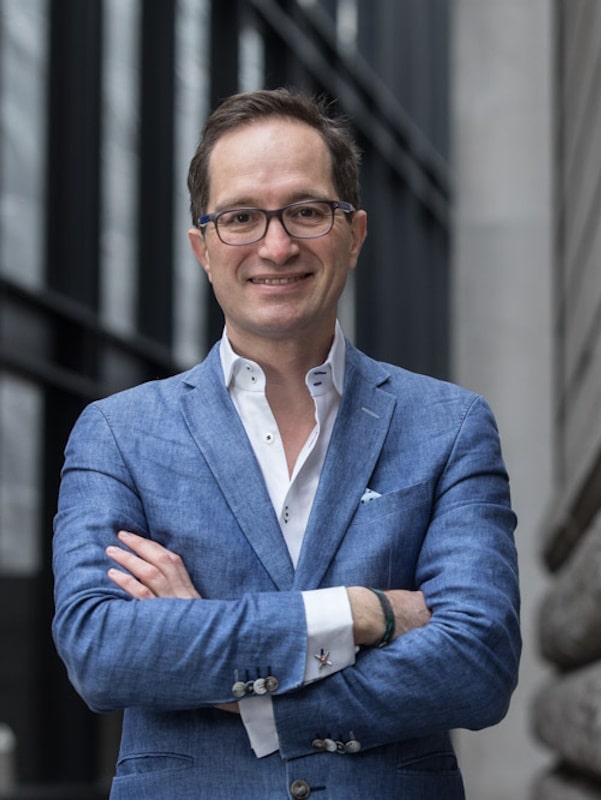
Erik-Jan Vlieger is a physician and entrepreneur. He obtained his degree in Medicine and his degree in Physics from the University of Amsterdam and earned his doctorate at the AMC. Erik-Jan began his career as a physicist in radiotherapy and then completed his doctorate in radiology. He declined the training to become a radiologist and started working as a consultant in healthcare at Plexus. As managing partner, he brought Plexus under KPMG. At KPMG Plexus, he led large transformation projects and managed the healthcare practice.
Afterward, Erik-Jan became an entrepreneur in healthcare. He was heavily involved with Incision, an organization that provides healthcare professionals access to shared experiences, skills, and expertise. Nowadays, Erik-Jan Vlieger is making significant strides with his own organization, Alii. Alii offers solutions to bring the best scientific knowledge to medical practice as quickly as possible. Erik-Jan loves healthcare and science. His career choices are aimed at always working towards the very best care for patients.
Erik-Jan Vlieger wrote the book ‘The New Brain of the Doctor’, about the rapidly changing profession of medicine. In this book, he teaches doctors how to efficiently process the enormous amounts of new knowledge, as the profession of a doctor is set to change. The doctor of the future will handle knowledge differently. They can do much more – but know much less. They are less of an individual and more a part of an intelligent, clinical network. They manage a team around them. They conduct ongoing research: every patient helps create new knowledge for future patients. And for the more challenging patients, they remain the familiar face. Working harder is not necessary – working smarter is possible.
The goal of all this is to provide patients with the very best care possible, everywhere. So that patients can trust that wherever they go, they will be treated in the best possible way and according to the most modern scientific insights.
1. Knowledge in healthcare
What has medical science brought us? How much new knowledge is there actually? How do we process that knowledge now? Are there visible problems in how we are doing it now? Could it be done differently? What could it yield if you did it differently?
2. Big data and smarter research
What is big data in healthcare actually? What can it yield? How can you start working with Big Data in healthcare yourself? How do you organise healthcare so that conducting research is the rule rather than the exception? What is needed for that? What can that yield?
3. Different specialisation and training
Are we specialising smartly? There is so much multidisciplinary work needed, isn’t that just a side effect of incorrect specialisation? Is this solvable or inherent to the enormous amount of knowledge there is? And are we still training smartly? Is rote knowledge actually a good idea, how harmful is it? What should you know by heart and what not? What does the training of the future look like?
4. Smarter diagnostics, therapy and a different organisation of the healthcare landscape
How does the diagnostic process work again? How do you do that if you want to make maximum use of all available knowledge? Who should do that, the GP? The hospital? And how do you achieve the highest quality in therapy? How do you arrive at the best guidelines and protocols? How do you ensure that they are also implemented? How can you determine if that is actually happening? Does that allow room for other players in the healthcare landscape? Is that desirable or not?
5. Clinical networks in healthcare
There is so much new knowledge – it is impossible for an individual doctor to keep up with it. Clinical networks of doctors who collaborate across hospitals around patient groups can bring many benefits:
• smarter and faster application of new knowledge in diagnostics and therapy
• smarter and faster research
• learning from one’s own actions
• creating other career opportunities for doctors
What does that look like? How do you get this off the ground? Is it enjoyable to work this way?
6. Artificial Intelligence: competitor or collaborative partner for doctors?
There are now products of artificial intelligence on the market for healthcare (for example, Watson). Are these kinds of products going to compete with doctors? Doctors have a monopoly on selling health benefits – does that remain intact with this kind of competition? Or are these kinds of products going to strengthen the position of doctors? What role can doctors play in this now?
7. Personalised medicine, shared decision making and scientific knowledge
Many patients experience healthcare as paternalistic – they often feel insufficiently involved in decisions about their treatment. At the same time, doctors experience that protocols and guidelines can be compelling and do not offer them room for personalised medicine and shared decision making. Yet it is true that the quality of care is highest when protocols and guidelines are followed as closely as possible. This seems a contradiction, as some parties claim (RVS) – but at the core, it certainly is not. How can this problem be solved? How do you closely follow science, offer the highest quality care and still have room for personalised medicine, shared decision making and enjoyment in work?
8. Enjoyment in work for doctors
Enjoyment in work for doctors is crucial for high-quality care, but burnout is common among doctors. The advancing science can evoke a feeling that it is all unmanageable and that the work takes on the character of cookbook medicine. How can this be solved? How can the profession be truly enjoyable for doctors? How can much more beautiful career paths be created for doctors?