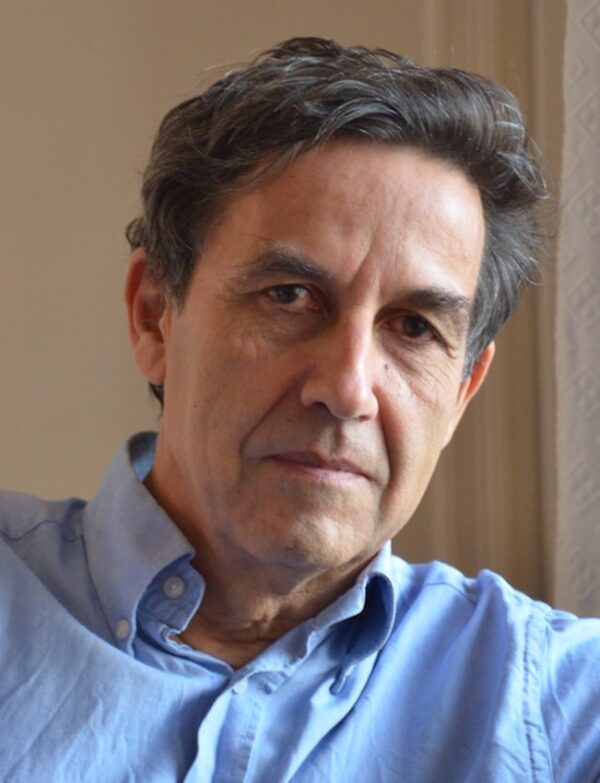
Bernard Benattar, psychosociologist and work philosopher, founder of the European Institute of Practical Philosophy.After obtaining degrees in philosophy and psychosociology, he expands his knowledge by training in the systemic approach of the Palo Alto school, mediation, and theater (Roy Hart ...
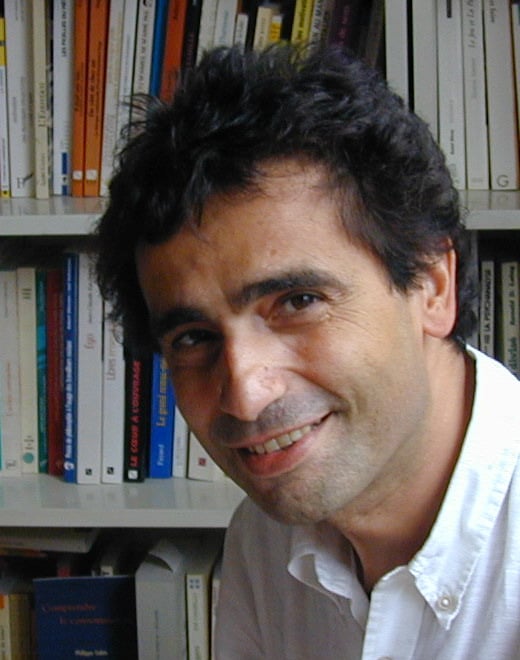
Bernard Benattar, psychosociologist and work philosopher, founder of the European Institute of Practical Philosophy.
After obtaining degrees in philosophy and psychosociology, he expands his knowledge by training in the systemic approach of the Palo Alto school, mediation, and theater (Roy Hart Theatre as well as with Augusto Boal).
His numerous interventions in companies across very diverse fields (education, IT services, public management, agri-food industries) lead him to favor the role of a “bridge” between the different professions within the company (functions, sectors) even more than that of a consultant.
His practice of facilitating “café-philo” (in Avignon, since 1995) drives him to introduce philosophical dialogue into the corporate world. Thus, in 2005, he founded the European Institute of Practical Philosophy.
Thanks to his passion for applied philosophy, he develops an original approach to consulting, training, and intercultural mediation: blending philosophical dialogues and the performing arts with operational constraints, the challenges of professions, and organizations.
This “practical philosophy” seeks to reconcile human condition and operational imperatives. By placing experience sharing and dialogue at the heart of his approach, he has facilitated numerous debates on shared values and ethics, and continues to support organizations in building their human resources policies (quality of life at work, management of psychosocial risks, ethical positioning, etc.) in order to (re)give meaning to collective action and to “think together” about their purpose.
For him, philosophizing at work, about work, for work means questioning together the philosophy of work and organization, personal convictions and professional practices, rekindling the sense of the profession, building common values and visions, reconciling operational imperatives with the meaning of action, and aligning with oneself and others. It also involves sharing doubts or certainties, challenging prejudices, learning from one another, and being surprised to act better.