© Tony Docekal
Bas Timmer is a social designer and founder of the Sheltersuit Foundation. He protects people worldwide from cold and rain with his innovative Sheltersuits and Shelterbags, demonstrating how creativity can bring about real social change.
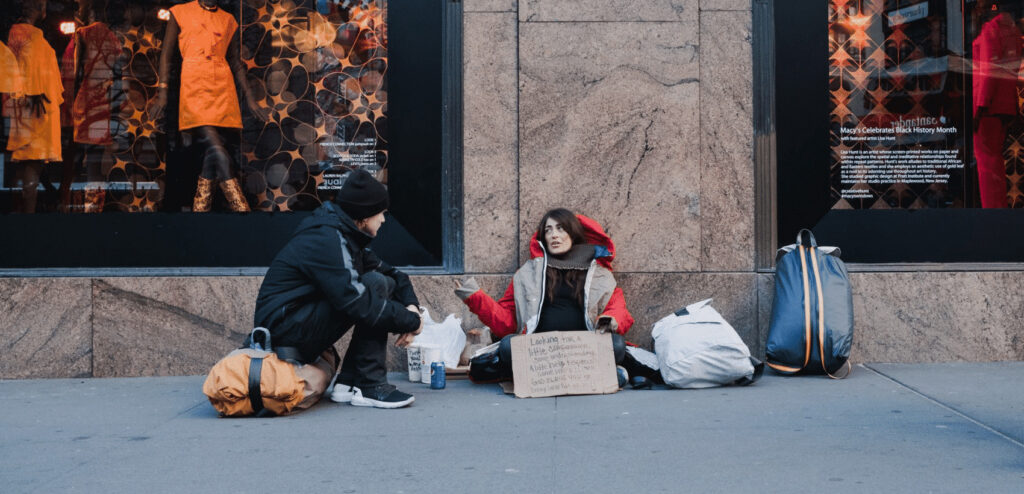
Bas Timmer is a social designer and founder of the Sheltersuit Foundation and One of XX. In 2014, when a friend’s father died of hypothermia, he decided to use his talent as a fashion designer to protect homeless people from cold and rain.
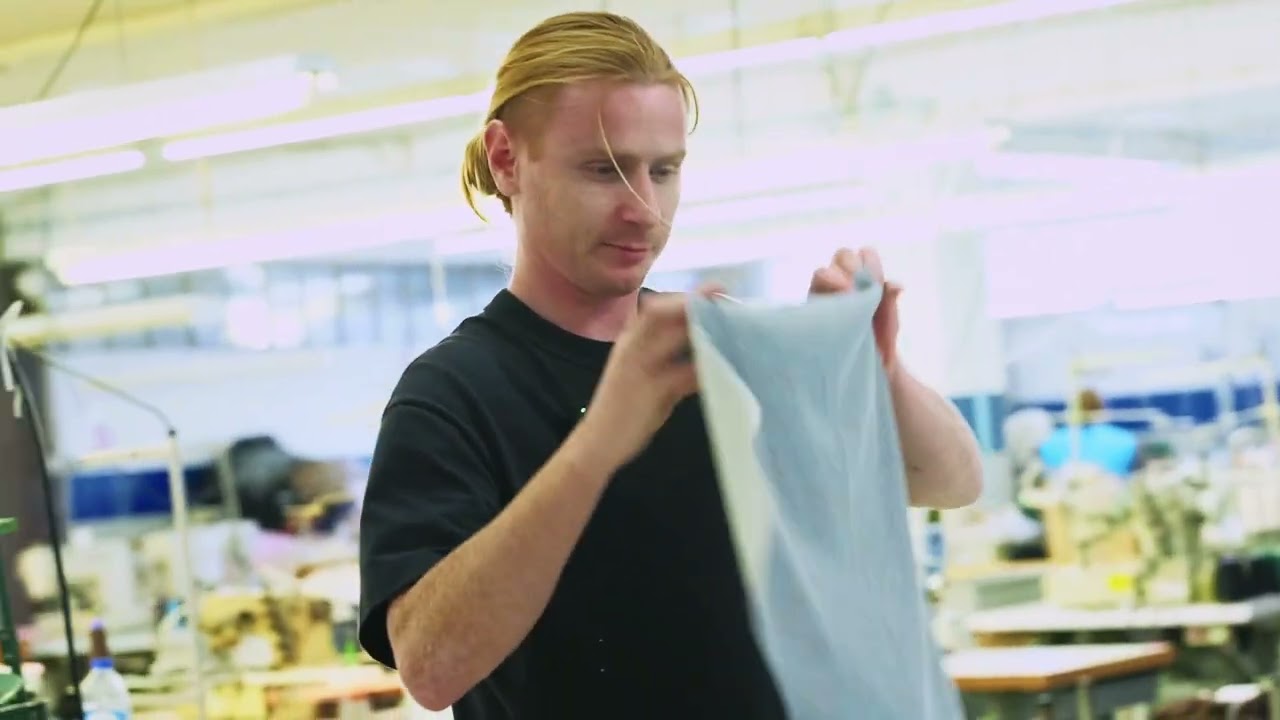
He designed the Sheltersuit – a jacket that zips into a sleeping bag – and later the Shelterbag for warmer climates. In the social Sheltersuit sewing workshop in Enschede, these products are made from recycled and deadstock materials by former refugees and people distanced from the labor market. What started as a local initiative has grown into an organization that is now active internationally. Nearly 40,000 Sheltersuits have been distributed worldwide, and the organization operates from the Netherlands, the United Kingdom, the United States, and South Africa.
His work is at the intersection of street work and fashion: from long-term engagement with people sleeping outdoors to collaborations and workshops with, among others, Nike, Balenciaga, and the Institut Français de la Mode (IFM), as well as presentations on international stages. A notable moment in his work was the collaboration with the fashion house Chloé, where Sheltersuits made from deadstock materials were presented during Paris Fashion Week. Bas received the Public Choice Award at the Dutch Design Awards (2017), was named a Next Generation Leader by TIME Magazine (2020), and was included in the FD Talent List.
In addition to his work for Sheltersuit, Bas is building a clothing brand with One of XX that exclusively works with existing materials. From the same conviction – to first use what already exists – he explores how the fashion industry can be organized differently: more transparently and with greater responsibility for people and materials.
Bas demonstrates how design can contribute to solutions for social issues by doing, testing, and improving in practice.