© KRO-NCRV
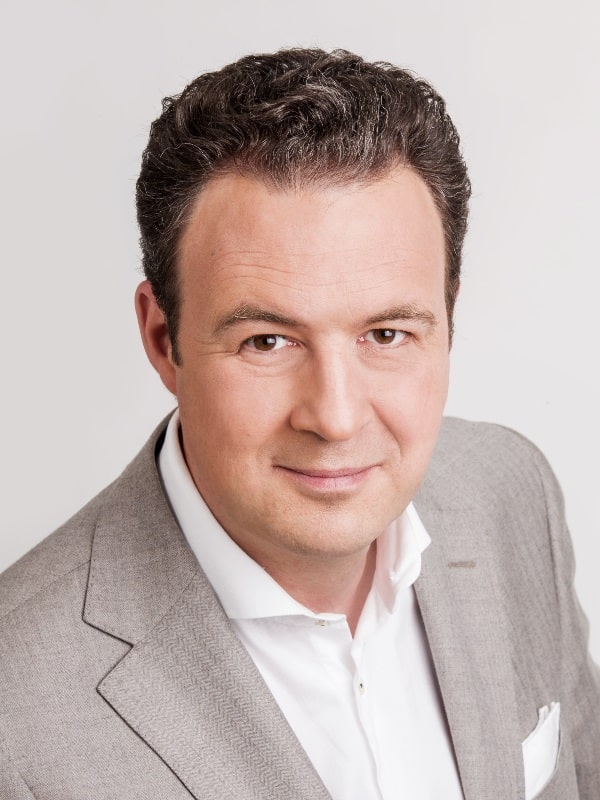
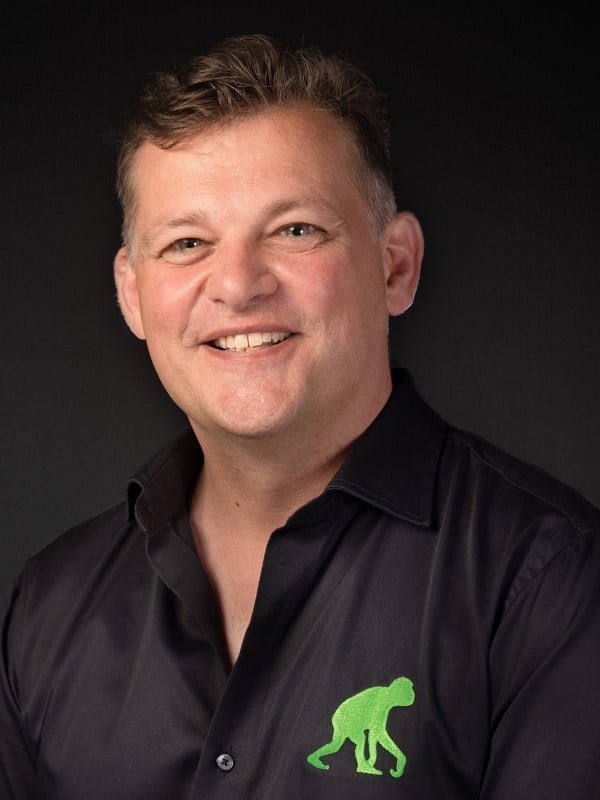
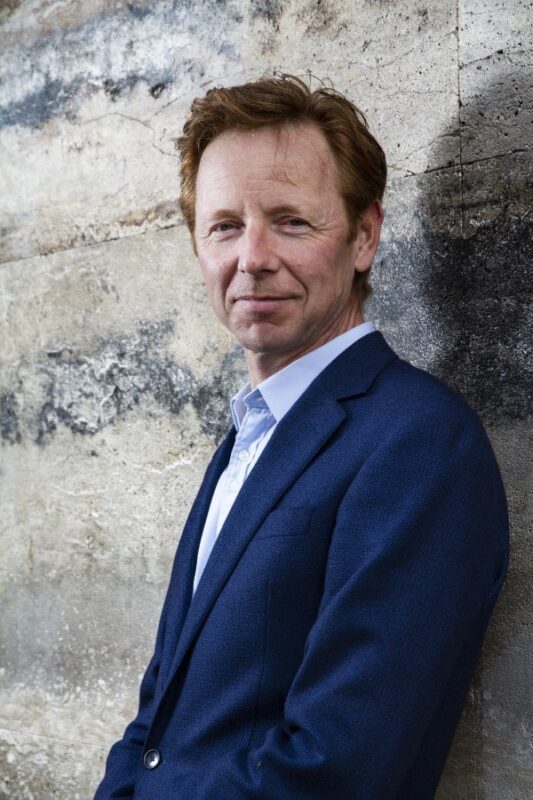
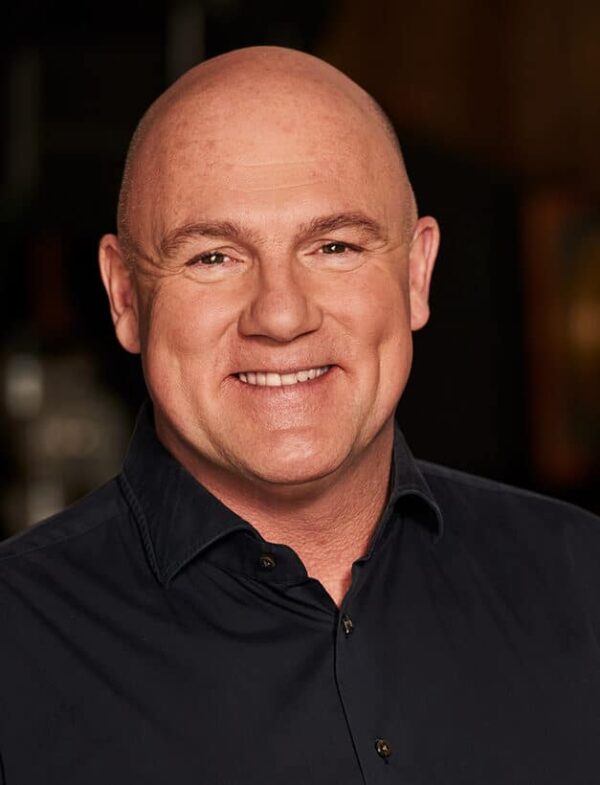
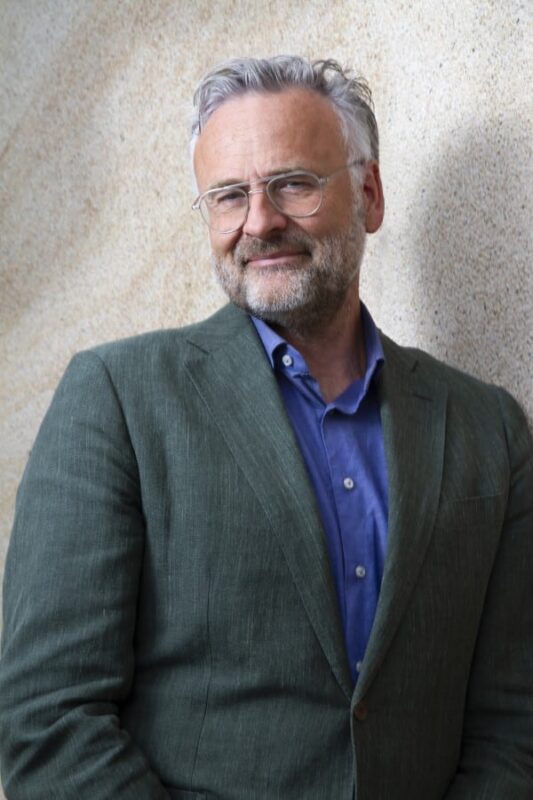
Sven Kockelmann begon, na de School voor Journalistiek in 1992, zijn journalistieke carrière bij de VARA.
Sven Kockelmann begon, na de School voor Journalistiek in 1992, zijn journalistieke carrière bij de VARA. Na korte tijd als redacteur werkzaam geweest te zijn, maakte hij de overstap naar de IKON, waar hij werkte bij Kenmerk.
In 1993 was de volgende verandering alweer een feit. Sven ging aan de slag bij de KRO, waar hij programma’s als Reporter, Brandpunt en Netwerk als presentator voor zijn rekening nam. Voor die programmas was hij ook langdurig politiek verslaggever en interviewer. Daarnaast presenteerde Sven Kockelmann ’s ochtends Goedemorgen Nederland, op NPO1 en op Radio-1. Sven is wellicht het bekendst vanwege zijn eigen interviewprogramma Oog in Oog en vanwege 1op1, dat hij samen met Eva Jinek presenteerde op televisie. In januari 2018 heeft hij ook de radioversie van dat programma op Radio1. Tevens presenteerde Sven 15 jaar lang het Wekelijks Gesprek met de Minister-President.
Sven Kockelmann houdt ervan zich bijzonder vast te bijten in uw evenement teneinde de best mogelijke presentatie op de dag zelf te waarborgen.
"The depth, complexity, and texture of his thought processes. Let me compare him to another noted inter-disciplinarian that I have often heard and admired. Buckminster Fuller could hold an audience for hours discussing the optimal interactions of various technology threads at their interfaces with each other, and extrapolate possible futures. He could “stand on the interface” and look both ways.
Richard Thieme also discusses the interaction of different technology threads, but not just the optimal interactions that will arise to achieve a given goal, but many of the possible interactions that could arise. He not only “stands on the interface”, but is capable of walking on both sides of it, getting inside the skin of practitioners on both sides and exploring the texture of the culture they come from for additional, unexpected impacts on the culture at large if the envisioned interaction of technologies occurs and is fruitful.
He can and does discuss the unintended consequences of technological progress, as well as extrapolating the expected consequences. He not only discusses the new capabilities that will be available to humans, but also what impact living in the context of such capabilities will do to what it means to be human.
That is, how we ourselves will change, given the new capabilities. Not just in our interaction with others, but how we come to view ourselves, our own sense of being, what we truly are at core. He can present these “future views of selfhood” in a scientific, psychological context, or in a humanistic, spiritual if you will, context. Comparing these contexts even-handedly allows each audience member “comfort” in hearing the message, and internalizing what Richard has to say.
Buckminster Fuller drove an audience with the power of his ideas, even though he was not a gifted speaker. Richard Thieme is a far more eloquent speaker, addressing technology and where it is taking us with more depth and texture with regard to consequences than Fuller delivered.
You feel exhausted but exhilarated after hearing either of them speak. And you will be changed by it."
"We zijn geweldig enthousiast over het optreden van Sven Kockelmann op ons OOR On arts-assistentensymposium in Nijmegen.
We vonden hem van enorm toegevoegde waarde, met name door zijn interactie met zowel de zaal als de sprekers. En je had inderdaad gelijk over zijn zeer gedegen voorbereiding. Echt perfect!"