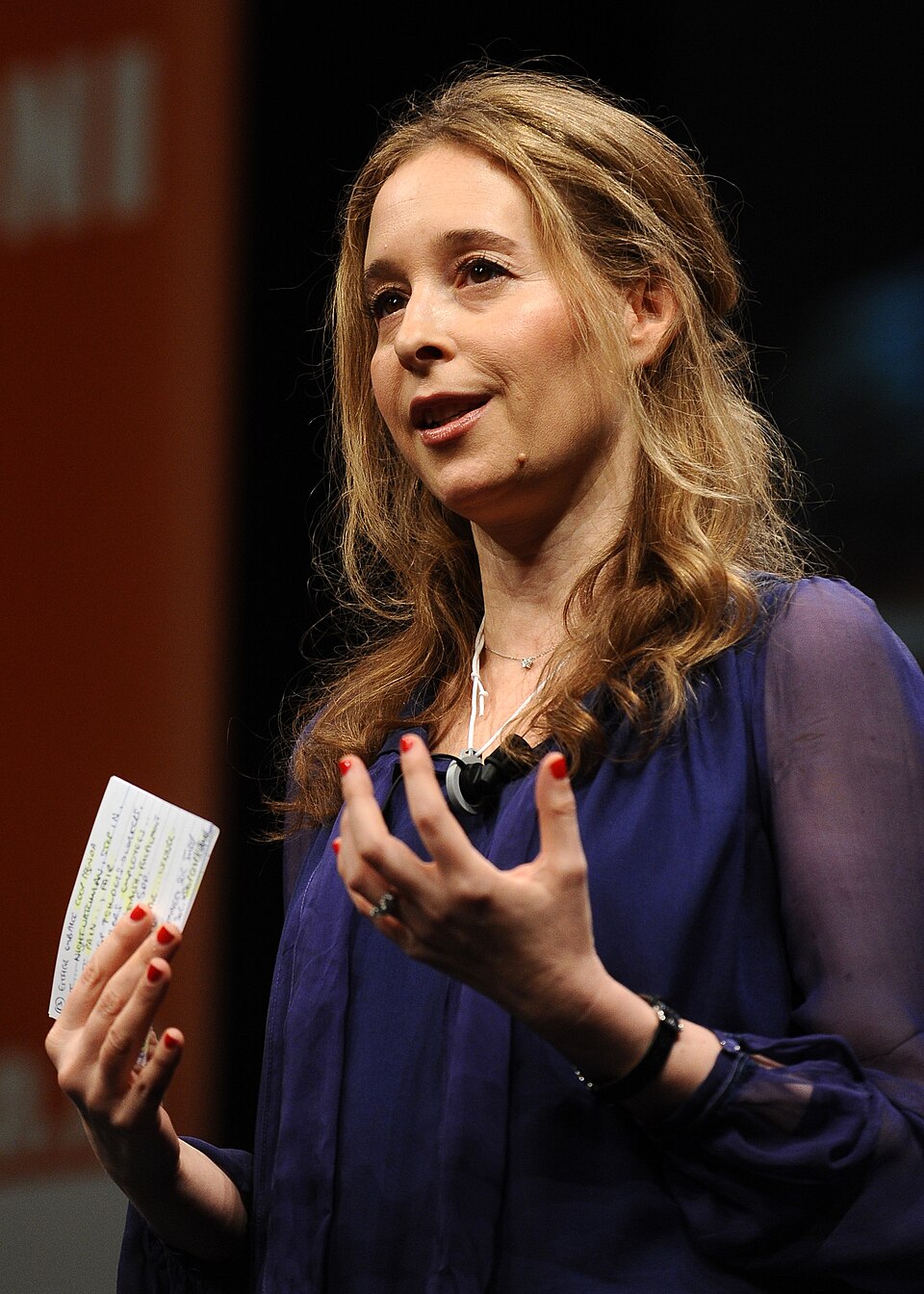
©Ruud Pos
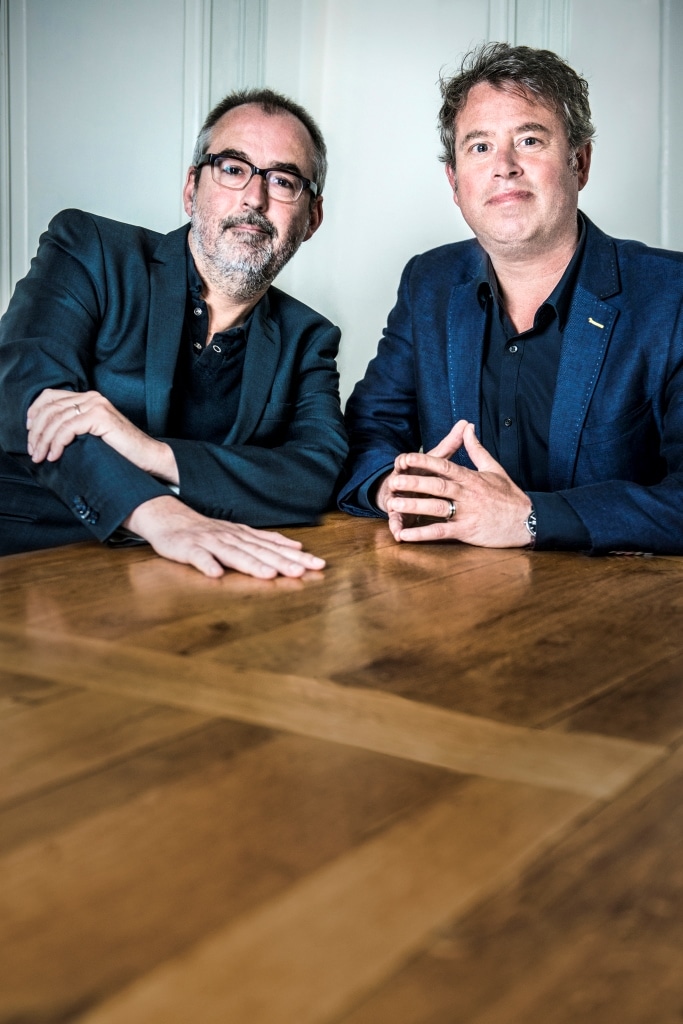
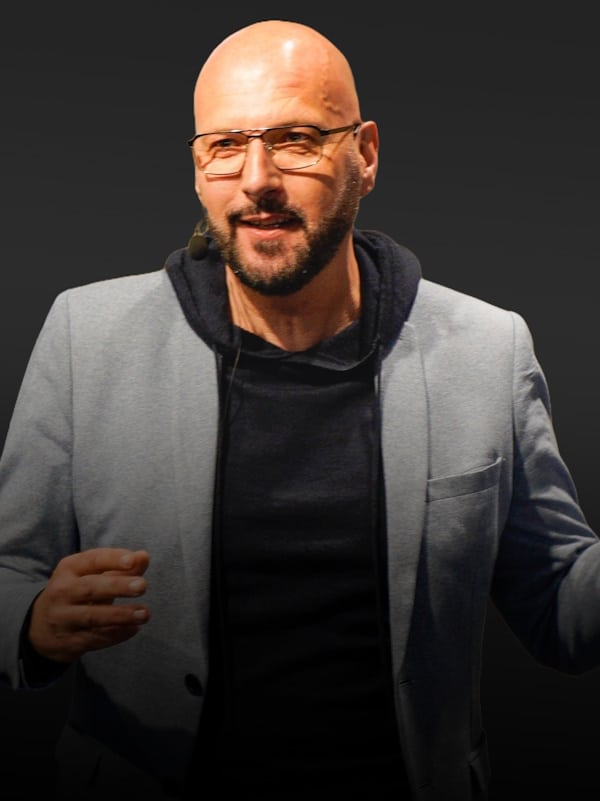
Ronald Giphart & Mark van Vugt co-authored the popular science book 'Mismatch.' This book explains why so many people suffer from back pain, cardiovascular diseases, diabetes, obesity, depression, and burnout. Mismatch also frequently occurs in our love lives, child-rearing, politics, work, faith, ...
Ronald Giphart & Mark van Vugt co-authored the popular science book ‘Mismatch.’ This book explains why so many people suffer from back pain, cardiovascular diseases, diabetes, obesity, depression, and burnout. Mismatch also frequently occurs in our love lives, child-rearing, politics, work, faith, and the environment without us being aware of it. In this fascinating book, Ronald Giphart and Mark van Vugt demonstrate how understanding mismatch can help us lead healthier and happier lives and create a better society. In an inspiring lecture by Ronald Giphart and Mark van Vugt, mismatch is explained from the perspective of the writer versus the scientist. The audience can also experience a mismatch on the spot. This lecture discusses the dramatic contrast between the first few million years of human history—when humans lived as hunter-gatherers—and the last twelve thousand years since the agricultural revolution. It addresses the clash between our biological and cultural evolution. Our bodies and minds are still geared towards a life as hunter-gatherers in open grasslands, while we now live in split-level patio homes, in a completely different social context. Has this rapid advancement been good for us? How do we try to survive with our primitive brains, formed in the Stone Age, in a modern information society that changes drastically every ten years? Ultimately, it is about turning mismatch into match. The better someone’s life is matched, the greater the chance of a happy and healthy life. Authors Ronald Giphart (writer) and Mark van Vugt (scientist) show that humans have changed their environment so drastically in a short time—since the agricultural revolution and even more rapidly after the industrial and digital revolutions—that the likelihood of mismatches has significantly increased. Mismatches have far-reaching consequences, primarily at the scientific level. Viewed through the lens of mismatch, social, societal, and technological trends can be better understood, from the popularity of Facebook to the desire for cosmetic surgery and our attitude towards refugees. Secondly, mismatches have consequences for our physical and mental well-being, for our happiness in life. Those who realize this will find it easier to take action, whether it involves moving more, choosing good leaders, or finding ways to feel better at work and in our leisure time. Finally, mismatch has various consequences for politics and policy; an insight that can enable governments, institutions, and companies to create an environment that better fits human nature with its possibilities and limitations. For example, if scientific research shows that people feel better in places with plenty of nature—the environment in which humans evolved—shouldn’t we make our workplaces, schoolyards, and hospitals a bit greener? Ronald Giphart (1965) has written bestsellers such as Ik ook van jou, Phileine zegt sorry, Ik omhels je met duizend armen, Troost, and Harem. He has been a regular columnist for the popular science magazine KIJK for years. He also wrote Ten liefde!, about the science of love. Mark van Vugt (1967) is a professor of Evolutionary Psychology at Vrije Universiteit Amsterdam and a researcher at the University of Oxford. He has written more than a hundred scientific articles and writes for Management Team and de Volkskrant. He previously published De natuurlijke leider and Gezag.