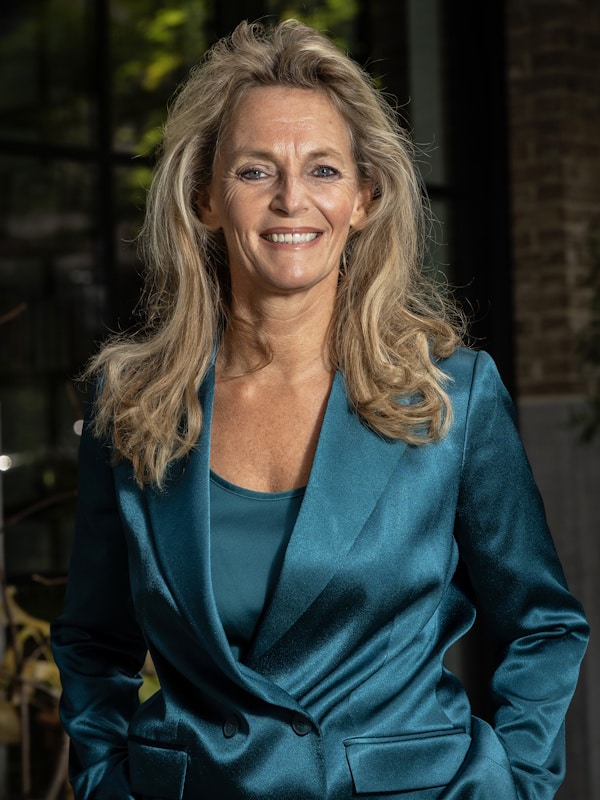
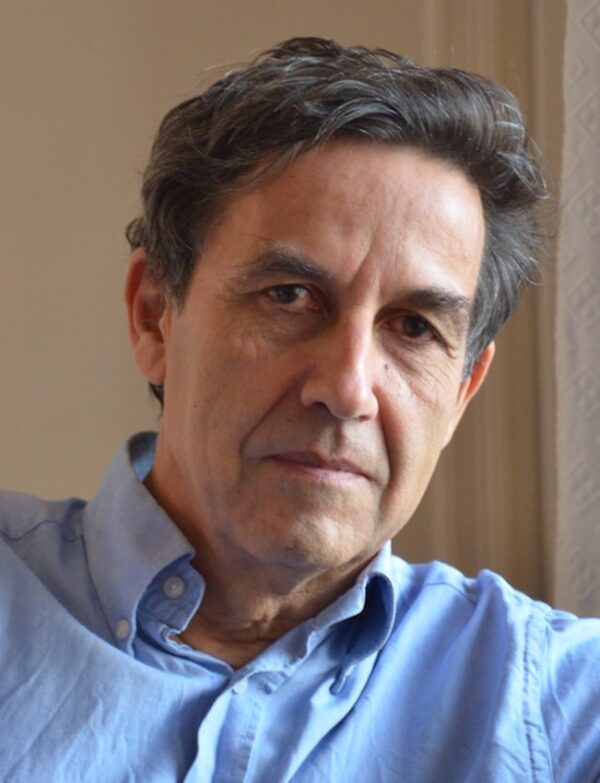
© Walter Kallenbach
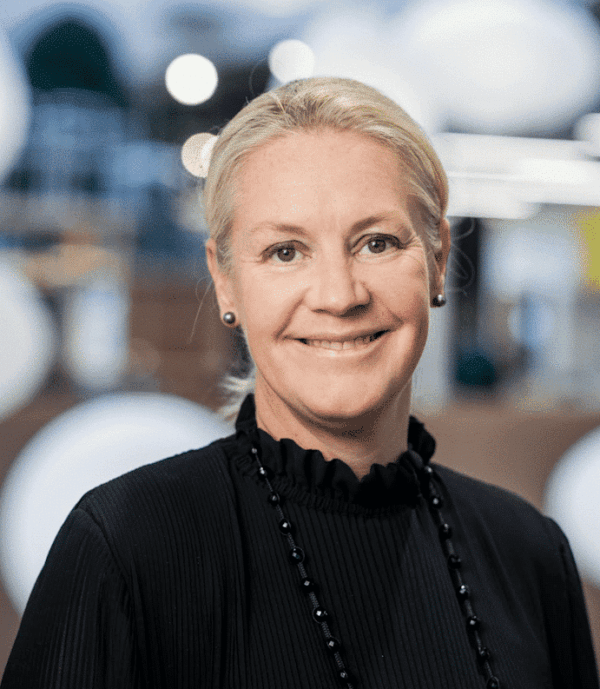
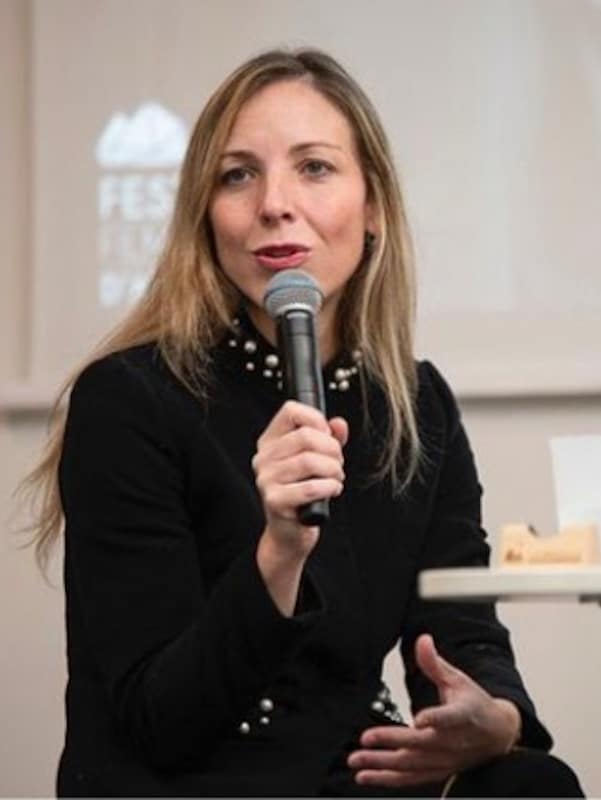
Michelle van Stijn not only guides departments but also executive and management teams in reaching their full potential. She understands the subtle nuances between feeling good and feeling bad, and how this affects behavior and communication in today's workplace.
With over 34 years of work experience at all levels of organizations, Michelle van Stijn knows what change truly feels like. She was the employee who experienced successful times, but also phases of struggle. She was the manager who could rally teams, but also made mistakes. She was the director who celebrated successes and also faced significant failures. This makes Michelle understand all phases of work and people from the inside out, from the shop floor to the boardroom.
For more than 23 years, she has held leadership positions, most of which have been commercial and at the executive level. Additionally, she now works as a self-employed certified trainer and coach, having guided thousands of people and hundreds of groups over the past years. In her interim assignments, she combined commercial executive responsibility with HR leadership. What she consistently noticed: in practice, she heard the same challenges that she also encountered as a trainer and coach.
She started in the era of binders and typewriters, made the transition to MS-DOS, witnessed the rise of the internet, and the shift from print marketing to digital marketing. Each time, there were claims: “This will make old jobs obsolete.” But reality showed something different each time. Within those fields, more roles and more opportunities actually emerged.
78% of organizations now use AI in at least one function, and 65% are already working with generative AI. But under the hood, there are issues:
– 95% of AI projects do not deliver lasting value.
– 85% of implementations fail due to lack of adoption, engagement, or clear leadership.
– Only 32% of companies offer AI training, while 59% of employees are using “shadow AI” – often with sensitive data.
Employees are not AI-fatigued; they are development-fatigued and are looking for the how. This is not solely due to AI. It is because many organizations are rapidly rolling out projects and adjusted strategies or goals that continuously ask something new from employees.
According to Gartner, 74% of employees experience change fatigue: they are tired of constantly having to adapt to something new. The absenteeism rate is structurally above 5%, and in the past year, about 30% of the Dutch population applied for another job elsewhere. Why? Because people no longer feel seen, heard, or involved in their current work environment.
AI promises efficiency, but beneath the surface, something else is brewing:
– 49% of employees are afraid that AI will replace their jobs or tasks.
– Only 21% feel truly engaged in their work (Gallup, 2024).
Organizations invest in tools, licenses, and pilots, but often forget the most crucial component: the human who has to work with it and grow and develop within it.