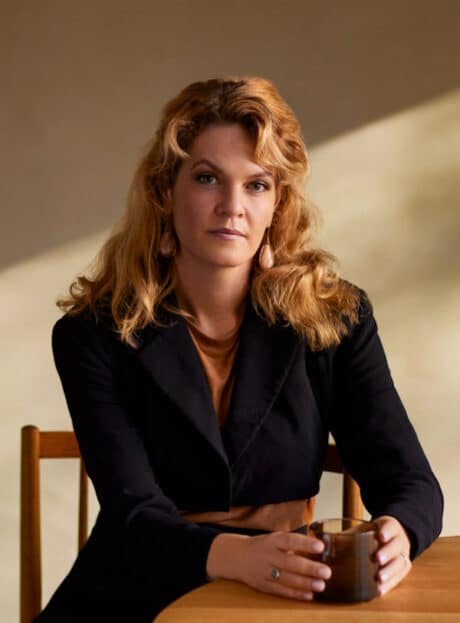
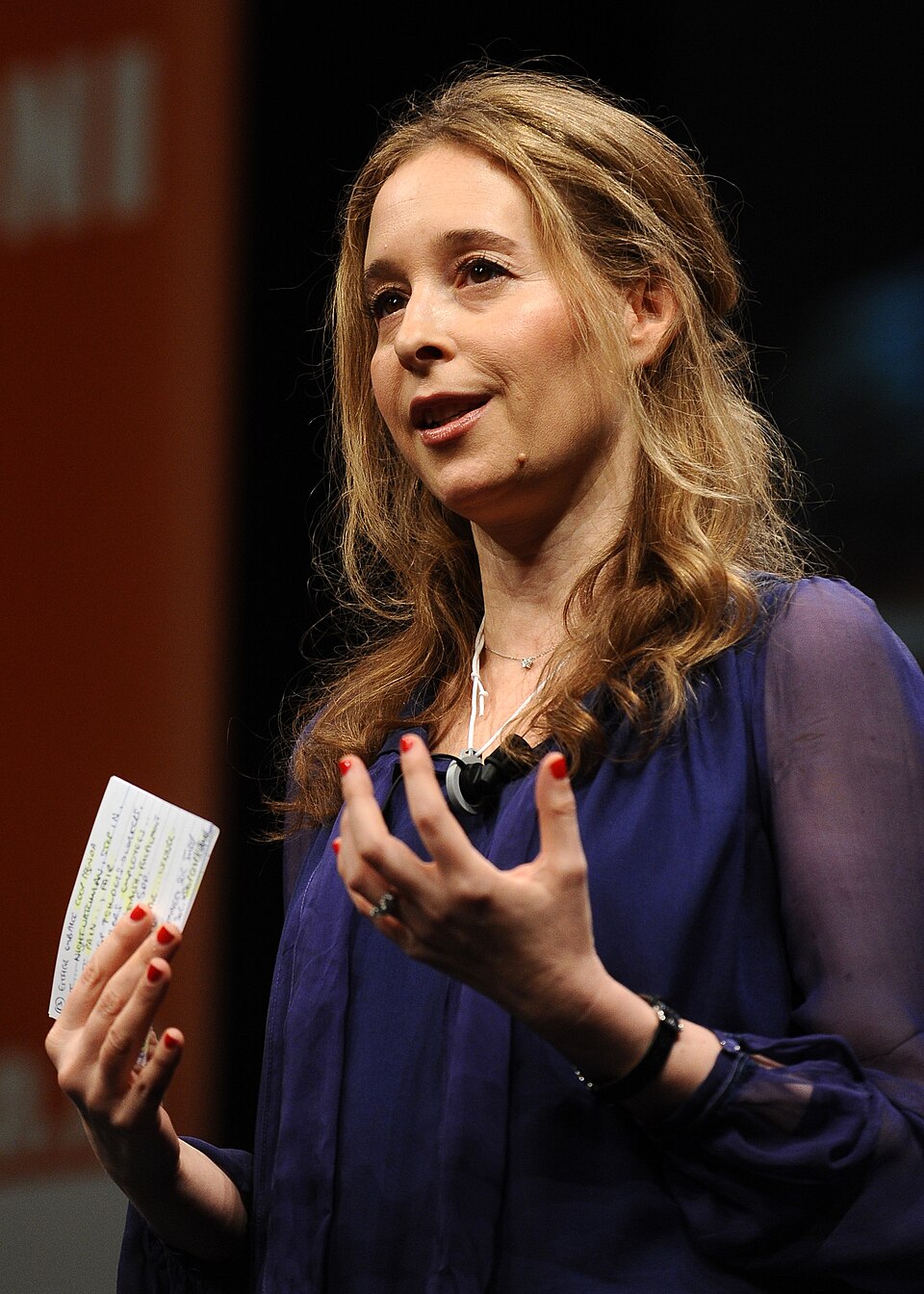
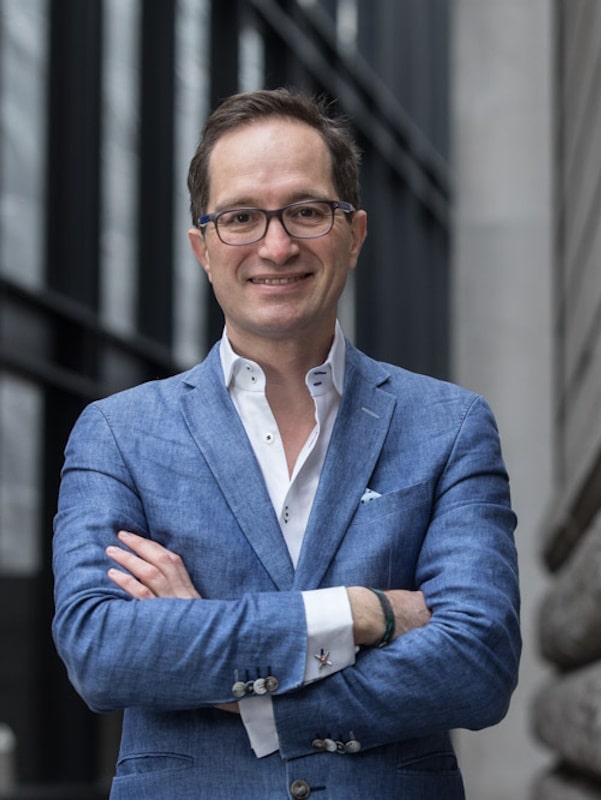
©Ted van Aanholt
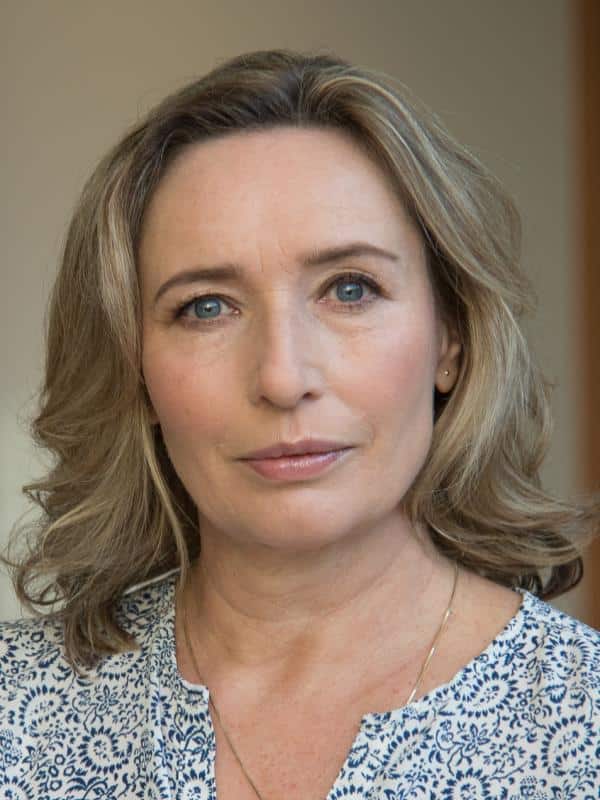
Margot Ribberink is an expert in climate communication and climate psychology and she was the first female weather presenter on Dutch television. She reveals the uncomfortable truth about the climate and offers hope from climate psychology with practical examples.
Agriculture, Arts Culture & Lifestyle, Behavior Change, Change Management, Circular Economy, Climate Change, Economics & Finance, Governance & Management, Leadership & Strategy, Logistics, Media, Moderators & Facilitators, Motivation, Nature, Renewable Energy, Sustainability & Environment, Weather & Climate
After studying biology at Radboud University in Nijmegen, Margot Ribberink started working at the first commercial weather agency, MeteoConsult in Wageningen. In 1990, she became the first female weather presenter on Dutch television at EO-tijdsein and later at RTL4, RTL 5, and various regional broadcasters. Since 2019, she has been working as a freelancer and is still active as a radio meteorologist for regional broadcasters, including RTV Utrecht, RTV Overijssel, and RTV West, for two days a week. Additionally, she gives lectures on climate, sustainability, and psychology and acts as a moderator for sustainable events. Margot is an ambassador for Stichting Steenbreek, Cordaid, and Stichting Advocaat van de Aarde.
The climate is changing, even faster than climate scientists observe. Although we still do not understand everything, research indicates that the acceleration could lead to disastrous consequences for our planet and life on Earth, including for us humans. This is difficult to comprehend because climate change only becomes visible when you zoom out in time, and we are currently facing a polycrisis alongside the climate crisis. Perhaps we should be more concerned about the disappearing biodiversity. Resources are depleting, an economic crisis is looming, and wars are nearby.
Although the effects of climate change in our country have been manageable so far, we are increasingly witnessing climate disasters elsewhere in the world, which not only cause significant economic damage but primarily affect the most vulnerable people. It is this uncomfortable truth (an Inconvenient Truth) that we must and want to see.
Our tendency to look away is understandable from a social psychology perspective; it is a survival strategy. We also know that too much bad news makes people feel hopeless and powerless. Research has shown that more than 70% of people in our country are concerned about climate change. These eco-emotions are valid, but at the same time, we must take action because time is running out.
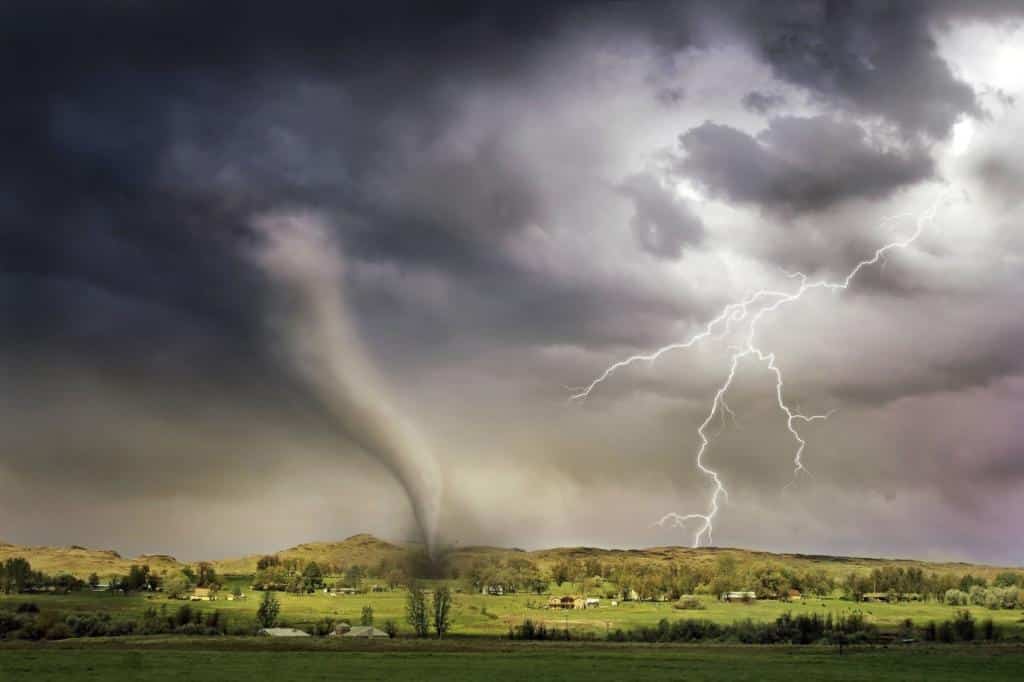
Climate scientists are also very concerned. Although we do not yet know exactly how, we see that warming is accelerating. Extremes are becoming more extreme. When it rains, it rains harder. Longer droughts have a significant impact on nature, agriculture, and our food system. Heatwaves are deadly in some parts of the world, and sea levels are rising. The most worrying are the tipping points in the climate system. If the temperature reaches a certain value, some climate systems such as the Amazon rainforest, coral reefs, permafrost, the Labrador Current, and large ice areas like Greenland and the West Antarctic Ice Sheet can change irreversibly.
If that happens, the consequences are unimaginable, even for us. Not only governments and large polluting companies are responsible for greenhouse gas emissions; we also have a responsibility. Even if you think your individual influence is minimal, you are a cog in the entire system to ensure that the greenhouse gas tap is turned off. Climate scientists not only have bad news but also hopeful news. After a short or long period with temperatures above 1.5 degrees, we as humans can slowly cool the Earth again. More hopeful news comes from climate psychology, a relatively new science that deals with social tipping points in our society. Just like the tipping points in the climate, norms, values, and behaviors can change in a relatively short time.
An example is how we as a society think about smoking. From ‘smoking is cool, it makes you belong’ to most people now seeing smoking as ‘unhealthy, dirty, and unsocial’. Sustainable choices in society are increasingly becoming ‘the norm’. In no other country in the world do citizens have more solar panels than we do, and eating vegetarian or vegan is not just for tree-huggers, but is trendy and beneficial not only for the climate but also for your own health.
Margot shows the uncomfortable truth about the climate on one hand, while on the other hand, she offers hope from climate psychology with beautiful examples from practice. More and more citizens, companies, municipalities, and provinces are changing so that the tipping point towards a sustainable, healthy, and fair society is getting closer, for ourselves, for our children and grandchildren, for all people elsewhere on Earth, and of course for the Earth, the plants, and animals.
Finally, and this is very hopeful, climate psychologists teach us that tipping points in society occur when only 25% of people change, and we do not have to wait for a majority. If a quarter of society demonstrates different behavior, most people will follow this example to fit in (we are true herd animals).
She is an ambassador for Operatie Steenbreek, Stichting Klimaatgesprekken, Cordaid, and the environmental quality mark PlanetProof.