About
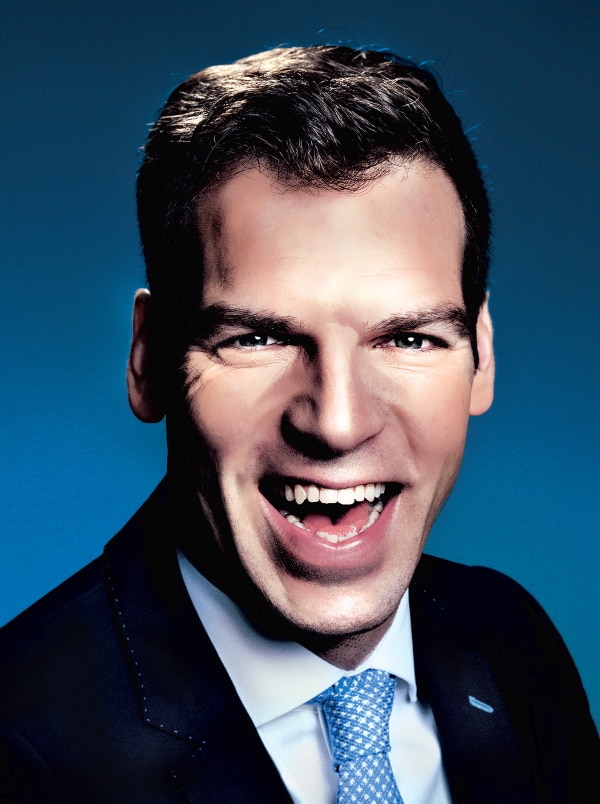
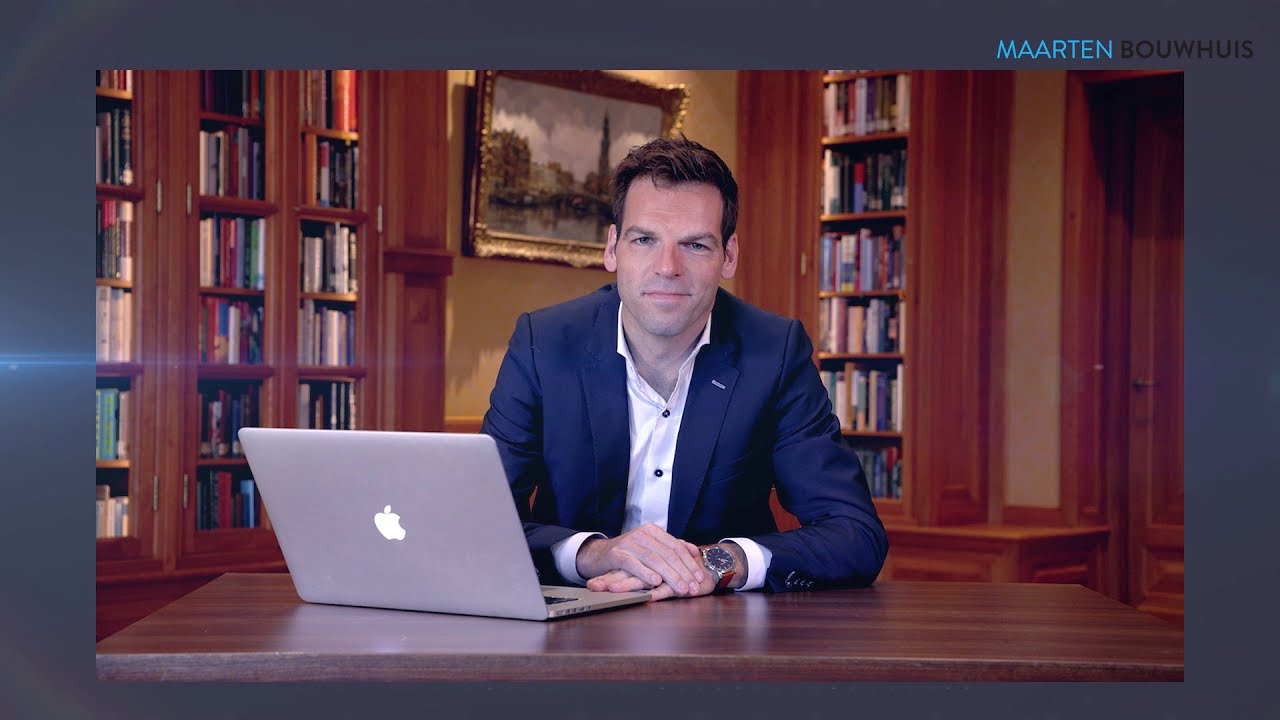
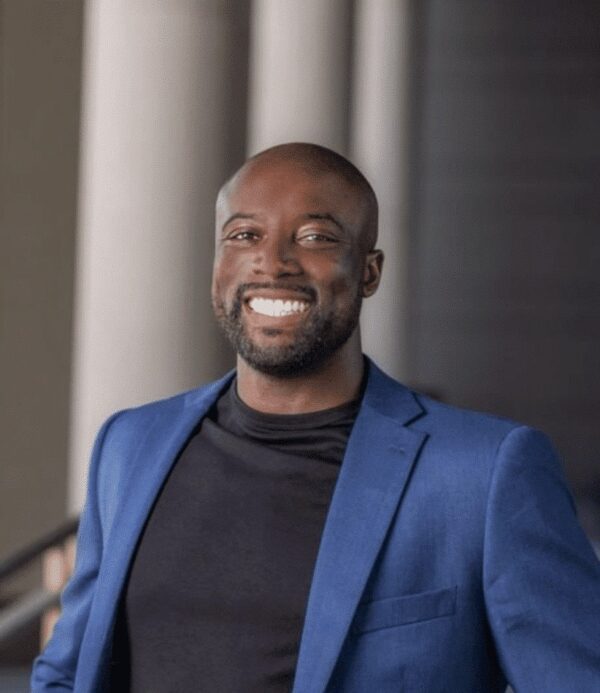
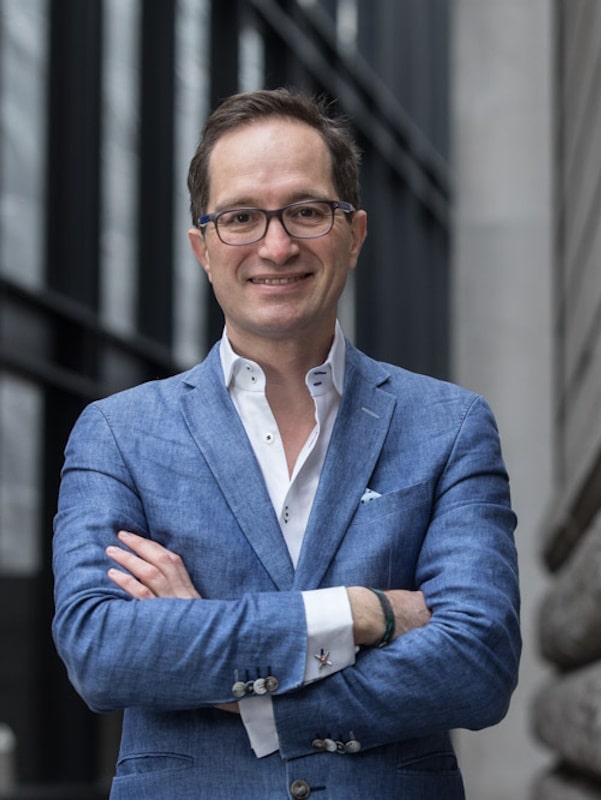
Maarten Bouwhuis
With his years of experience as a moderator, debate leader, and radio presenter at BNR Nieuwsradio, Maarten Bouwhuis makes every event a success. ‘I love to simplify complex matters, probe to the essence, and connect themes that others do not see, both on stage and in the preparation of each performance.’
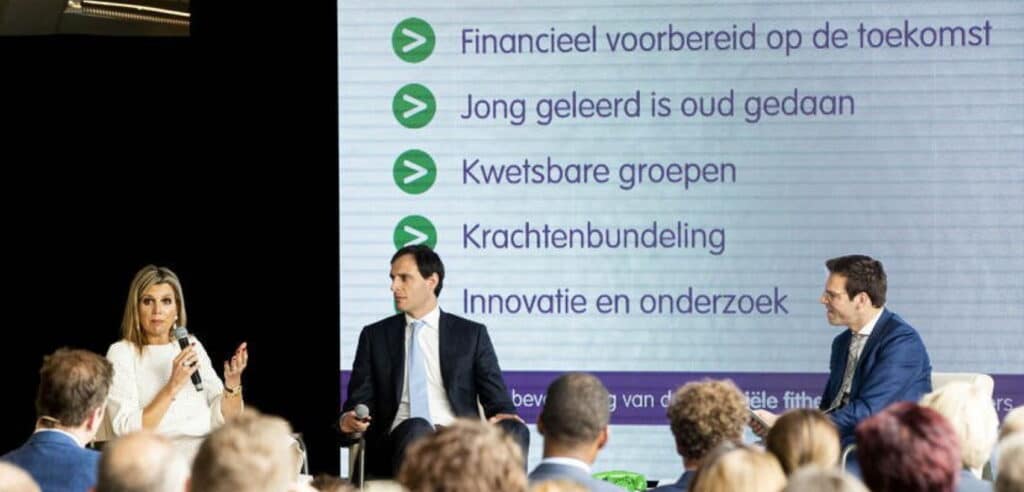
Maarten leads conferences, large and small, for both government and business in his own inspiring way and ensures the substantive common thread. He enjoys the breadth of his profession and does not shy away from many themes. Topics that frequently appear in his performances include: entrepreneurship, government & politics, sustainability, healthcare, marketing & communication. He is broadly interested, always sharp on content, and challenges the audience and speakers to truly engage in debate. He is praised for his enthusiasm and energy, with which he elevates events to a higher level.
After completing his studies in Communication, Maarten Bouwhuis started his career at the Nederlands Debat Instituut as a debate leader and trainer. Since 2007, Maarten has been associated with BNR Nieuwsradio, where he presented the following programs: BNR Vastgoed Gezocht (2021), BNR Verkiezingsdebatten (2021), BNR in Bedrijf (2019), BNR Groeihelden (2018), BNR Gangmakers (2016-2018). On behalf of BNR, he also created various podcasts, such as: In Bedrijf Blijven (2020) and Voorbij de Anderhalve Meter (2020) and presented the first EU election debate.
In addition to these activities, Maarten has presented various events for the FD Mediagroep, including Young Circle, Gangmakers Xtra, and FD Gazellen. Maarten is also familiar with TV work: in 2013 and 2014, Maarten was seen daily on RTL-Z as the presenter of RTL Ondernemerszaken and in 2010 and 2012, he organized the Carré Debat for the parliamentary elections together with RTL Nieuws.
Maarten is also available for webinars, online, and hybrid events.
1. Entrepreneurship
They are the backbone of the economy; entrepreneurs. They believe in adventures. They invest their money and energy and enjoy the freedom to make their own choices every day. Entrepreneurs take risks, but they see it differently themselves. Every good business model also needs a touch of opportunism. And of course, continuity, which family businesses hold in high regard. Conversations & interviews with successors of the next generation are always special.
2. Government & Politics
The government, that is us. We elect our political leaders, and they manage all public organisations. But at the same time, the government is also an autonomous force. Within the fourth estate, projects and processes are stimulated, but also slowed down.
Maarten loves complex societal issues such as the future of healthcare, the transition to a circular economy, or European politics. In these, all forces from society come together; politics, government, business, and citizens or consumers. Complex questions never have a simple answer, although some politicians would like them to. In his work as a day chair, he seeks the connections between all interests and various complex issues.
As the son of a civil servant, political and societal thinking was instilled at home from an early age. From the start of his career, he has worked for municipalities, provinces, water boards, and the state.
3. Sustainability
Due to climate change, the Earth is warming at a rapid pace. All IPCC reports point to this. And the cause lies with ourselves. This calls for sustainable solutions for practically everything. We need to move towards a circular economy. The British economist Kate Raworth describes this sharply in her bestseller Doughnut Economics: seven ways to think like a 21st century economist.
Ranging from cultured meat to electric cars, technology is an important path to sustainable food, poverty alleviation, and combating climate change. But that is not enough. The government must also create strict regulations to make the economic model we live in more sustainable. At conferences for sectors such as transport, retail, energy, and water, it always revolves around the connection between new technology, regulation, and entrepreneurship.
4. Healthcare
Healthcare is the only growth market that no one wants to grow, but it does anyway. And it cannot be otherwise. Ageing and medical innovations are expensive, and that trend will not stop anytime soon. How should it proceed? Are we willing to spend 30% or even 40% of our income on healthcare? Or should costs be reduced, and healthcare in the Netherlands be simplified.
In the economic boom of 2015-2020, politics could still avoid the issue. If a new recession comes, the choices will be painful. Can every new expensive cancer drug be provided? And do all patients have the right to every treatment? How can you discriminate in the right to healthcare? These are choices that hospitals, insurers, and primary care institutions are already considering. Every healthcare conference I lead, this fascinating puzzle of the future of healthcare is on the table.
5. Marketing & Communication
Advertising is everywhere, but not everything works. Fortunately, most messages around us are missed by our brains. Many brand success stories are fuelled by the brand’s purpose. Consumers are increasingly seeking meaning and using the brands around them. How does this change the marketing and advertising world?
Consumers are also making new choices on the high street. Why are Rituals and Action successful, and why could Hudson’s Bay not survive? How fast will online retail grow in the coming years? And what is the impact on the high street? Retailers are disappearing, and online shops are taking over. But all those packages need to be delivered. What answers do retailers and the transport sector have to the ‘last mile’ issue?