This site requires JavaScript to render the code.

Need to know how to enable JavaScript? Go here.

Speakers
Robotics and Ethics of Technology

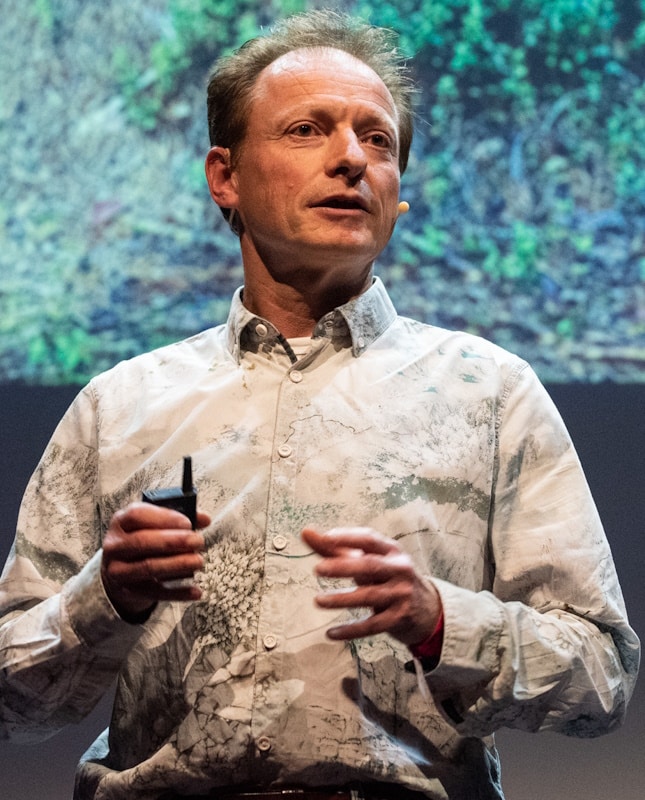
mr. dr. ir. Lambèr Royakkers

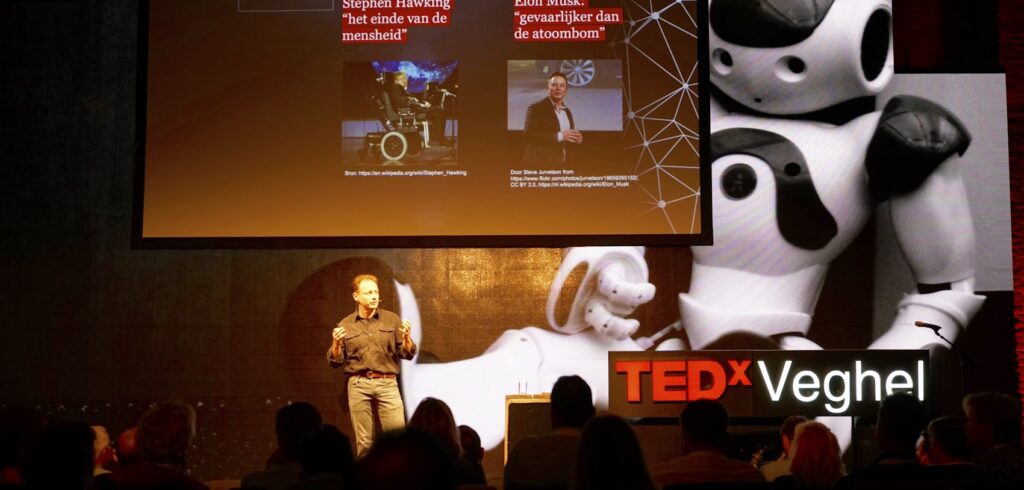
Lambèr Royakkers is an expert in the field of ethics of technology. He has specialized in robotics and (generative) artificial intelligence (AI). In the near future, robots will be widely deployed in our society, and will change our society.

Languages:
Employability:
Dagvoorzitter,Keynote spreker
Employability:
Dagvoorzitter,Keynote spreker,

Specialist Subjects

1. AI and ethics

This topic focuses on the ethical issues concerning the application of AI systems. AI algorithms can be biased if they are trained on data that contains inherent biases; the implementation of AI can lead to changes in the labour market and social structures; misuse of AI systems can lead to manipulation and harm. Finding a balance between technological advancement and ethical considerations is crucial for creating a society where AI benefits everyone.

2. Cyber security

The term encompasses a wide range of technologies, processes, and practices designed to ensure the confidentiality, integrity, and availability of information. Key aspects of cybersecurity include: data protection; network security; access control; security awareness; and incident response. Cybersecurity is vital in modern society, where digital technologies are deeply integrated into various aspects of our lives. A central question is what proactive measures companies, government institutions, and individuals should take to protect themselves against increasingly sophisticated threats and minimise the potential consequences of cyberattacks.

3. Ethical considerations surrounding robotics

Ethical considerations regarding robotics relate to the development, implementation, and impact of robotic technologies in various aspects of our lives. Robotics affects our human autonomy; raises issues concerning employment and economic impact; can influence cultural norms and social structures. Understanding and addressing ethical issues is crucial to ensuring that the benefits of robotics are maximised without unwanted negative consequences for individuals and society as a whole.

4. The impact of digitalisation on our society

The impact of digitalisation on our society is profound and encompasses various aspects of our daily lives. Some examples include: economy (digitalisation has changed the way we trade and do business. E-commerce, online payments, and digital marketing are some examples of how digitalisation has transformed economic activity); employment (digitalisation affects the labour market through the automation and robotisation of certain tasks, but has also created new opportunities); healthcare (digitalisation has enabled innovations in healthcare, such as electronic patient records, diagnostics, telemedicine, and health apps); privacy and security (digitalisation has led to an increase in the amount of personal data shared online); culture and communication (digital platforms such as social media, streaming services, and online content creation have a significant impact on the dissemination of information, opinion formation, and social interactions).

While digitalisation brings numerous benefits, it also presents challenges and ethical considerations. It is crucial to critically monitor these developments and ensure a balanced approach that addresses both the positive and negative aspects to promote a sustainable and inclusive society.

Enthusiastic about Lambèr Royakkers?

Request quote