This site requires JavaScript to render the code.

Need to know how to enable JavaScript? Go here.

Speakers
From Disruption to Action

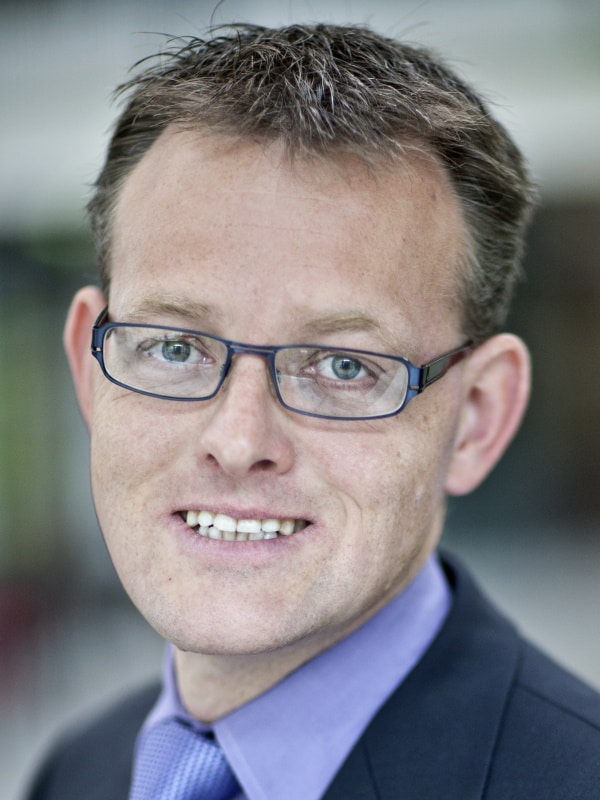
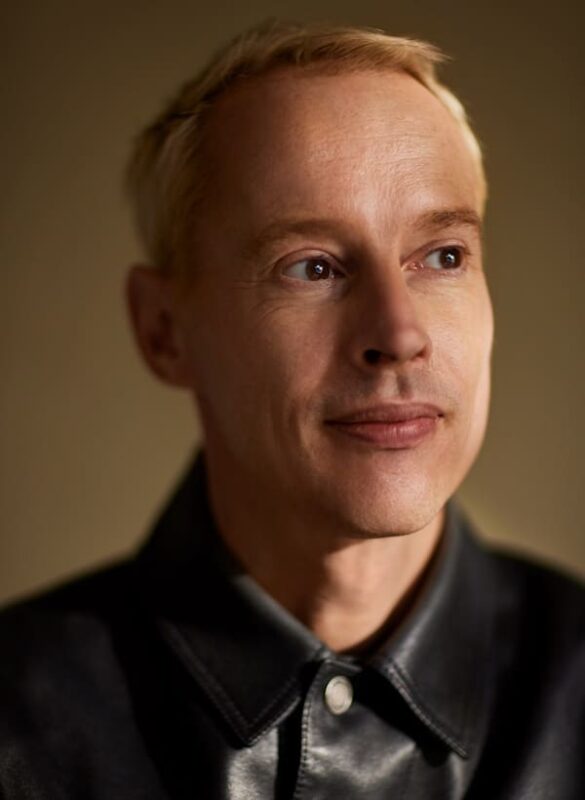
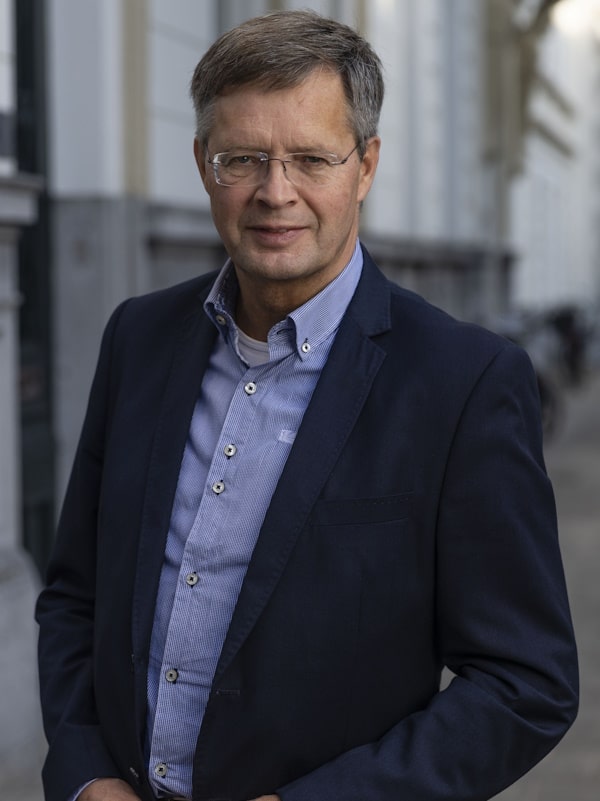
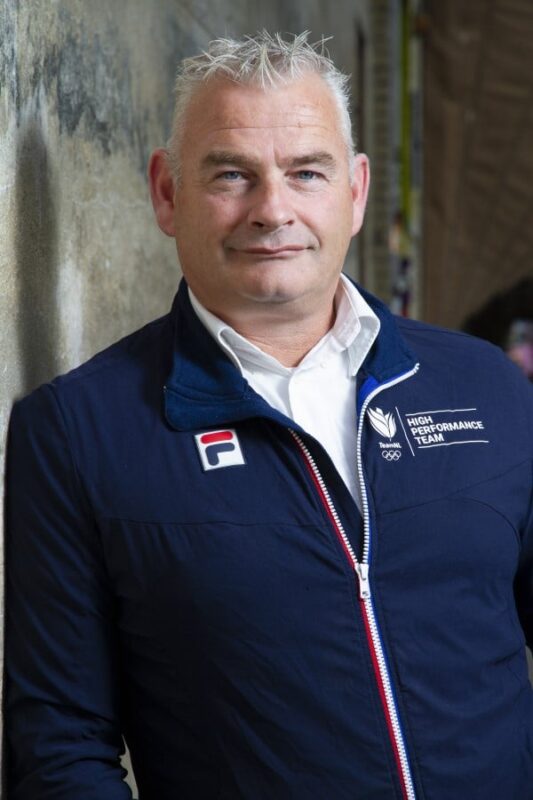
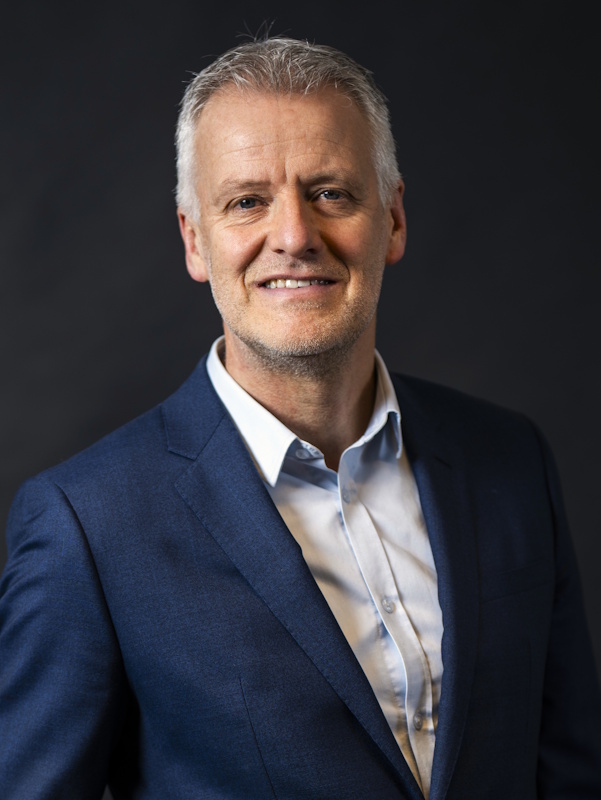
Jeroen Scheer

Jeroen Scheer is an international keynote speaker on transformation, innovation, and the future of energy. He helps leaders and organizations turn disruption into sustainable growth.

Languages:
Employability:
Dagvoorzitter,Keynote spreker
Employability:
Dagvoorzitter,Keynote spreker,

Specialist Subjects

1. Leading Transformation in Disruptive Times

In 2024, Jeroen won the award for ‘Most Innovative Leader’ with the tagline “Dream Big, Start Small, Most of all: START”. It begins with true leadership, which means leaders must truly lead.

From Strategy to Action: Bridging the Gap
Jeroen emphasises that a vision alone is not enough. He connects the large, abstract challenges of major business model transitions and digitalisation to concrete, executable steps. Leadership is about clarifying the “why” and providing teams with the tools and autonomy to realise the “how”. He demonstrates that change is not an e-learning or a memo, but a process activated by directly involving people and allowing them to experiment.

The Human Element in Technological Change
Although he is an expert in technology, Jeroen always prioritises people. The focus is on creating psychological safety, where teams can learn and perform. His approach is ‘people first’, activating leaders and engaging employees by focusing on storytelling and targeted interventions instead of generic change programmes. In a world full of emerging technologies like AI, the human factor remains crucial for success.

Courageous and Realistic Leadership
Jeroen is unafraid to challenge the status quo and ask difficult questions, such as “Should we really move away from gas?”, “Is the energy transition even possible?” or “AIML is an overrated hype, it’s not that big of a deal”. He combines his passion for sustainable organisational development with a realistic view of the challenges. Leadership in disruptive times requires courage: sticking your neck out, thinking outside traditional frameworks, while not losing sight of the present reality.

The core of his message is that leaders in disruptive times must not only have a vision but also courage, resilience, and the ability to embrace the human side of change to truly succeed in complex transformations.

2. The Future of Energy: Truly Customer-Centric, Smart, Flexible, and Sustainable

Jeroen is globally recognised as one of the leaders who deeply understands and can explain the energy transition and the changes needed for it. He has been invited to join Al Gore’s Global Future Energy Leaders group and holds several patents that enable the energy transition.

The Customer Finally Central in the Complex Energy System
In the traditional model, the customer was a passive recipient of energy. Jeroen emphasises that this model is long outdated, although many traditional energy companies, regulators, and grid operators still seem unwilling to understand this. The customer of the future is a “prosumer” or “flexumer” — someone who not only consumes energy but also produces it (for example, with solar panels) and manages it smartly (for example, with a home battery or smart charging), thus helping to relieve the grid and potentially have free energy. The core is that the customer does not become an active partner in the energy system: the customer is the solution to all current problems if we handle this correctly. This applies not only to consumers; large business customers are also essential for the success of the energy transition. By leading in this, a whole country can experience healthy economic growth. For energy suppliers and companies, this means they must evolve from product suppliers to service providers and strategic advisors for their customers. A fundamental change.

Data and Technology as Enablers, Flexibility as the Key
The energy transition is not only about switching from fossil fuels to renewable sources. The real challenge lies in balancing a network with increasingly fluctuating sources like solar and wind. Jeroen explains that technologies such as smart devices, AI, and energy management systems are crucial. These allow customers to flexibly manage their energy consumption and production, keeping the energy network balanced without requiring large-scale infrastructure investments. This flexibility becomes a valuable product in itself. Companies must rapidly build the data and technological infrastructure that makes this possible.

Sustainability is a Shared Responsibility
Jeroen emphasises that the energy transition is a shared responsibility of government, business, and customers. He shows that a company’s sustainability narrative should not just be a marketing pitch but an integral part of the business strategy. This involves building a robust and resilient energy system that is both economically viable and protects the planet. The immediate future of energy demands transparency, collaboration, and innovative business models that focus not only on profit but also on sustainable societal impact.

The core of the story is that we cannot wait because the future of energy has long begun, and many countries are significantly lagging behind.

3. The Human Side of Innovation and Change

With all his experience in innovation, Jeroen has learned that the customer, people, and organisation are too often forgotten. Therefore, he likes to focus on the human side of innovation and change, where letting go and trust are key elements.

People at the Centre, Not Technology
Jeroen emphasises that successful innovation is not primarily about the latest technology but about the people who work with it. The focus should be on creating an environment where people feel psychological safety to experiment, make mistakes, and learn. Without this foundation, even the best technology will fail. He shows that you initiate changes by directly involving people in the process, rather than merely informing them through formal communication.

From Vision to Concrete Action
Scheer is an expert in bridging the gap between an abstract vision and practical execution. He connects the large, complex issues of transformation with small, executable steps. He teaches that leaders should not only tell their teams the “what” and “why” but also give them the autonomy and resources to discover the “how” themselves. This transforms employees from passive recipients of change to active co-creators of it. Additionally, a clear and especially simple innovation process leads to success.

Courage and Realism in Leadership
Jeroen is known for his ability to challenge the status quo and ask confronting questions, such as whether the energy transition is realistic and why digital transformations and innovations fail in more than two-thirds of cases. He combines his passion for innovation with a sober, realistic view of the challenges. He teaches that courageous leadership in disruptive times means being willing to stick your neck out, think outside the box, and at the same time not lose sight of the facts and reality. This balance between ambition and realism is essential for credibility and to get people on board with the change process. This means that leaders must truly learn to let go. Collective intelligence always wins with plenty of room for people who truly understand and feel it.

4. From Vision to Execution: Transformation That Works

Jeroen has extensive experience in translating vision into concrete action plans that truly work and deliver results. He questions why many transformations do not deliver the results leaders want and expect. He concludes that these same leaders are the cause of the failure.

Focus on the ‘Why’, Not Just the ‘What’
Jeroen emphasises that a clear vision is crucial, but true transformation begins with explaining the ‘why’. Why is this change necessary? Why is it urgent? By communicating the bigger story and its impact on people, you create not only understanding but also engagement and a sense of urgency. The vision thus becomes not an abstract concept but a shared mission that motivates action.

Leadership is Creating Context, Not Micromanagement
Jeroen states that effective leadership in transformation is about creating the right context. Instead of imposing detailed plans from above, you must build an environment where teams feel the autonomy and psychological safety to experiment and learn. This means that as a leader, you set frameworks, express expectations, and make the necessary resources available, but you leave the ‘how’ to the people who actually do the work. This trust in teams leads to faster and more agile transformation.

Action Begins with Small, Concrete Steps
Large transformations can be overwhelming. Scheer breaks down this complexity into manageable parts. He shows that effective execution does not begin with a large-scale, all-encompassing plan, but with small, concrete steps and experiments. By starting directly with pilot projects and celebrating early successes, you build momentum, learn quickly, and can adjust course. This pragmatic and agile approach ensures that the transformation does not get stuck in endless analyses but actually takes off.

Dream Big, Start Small, Most of all: START!

Videos

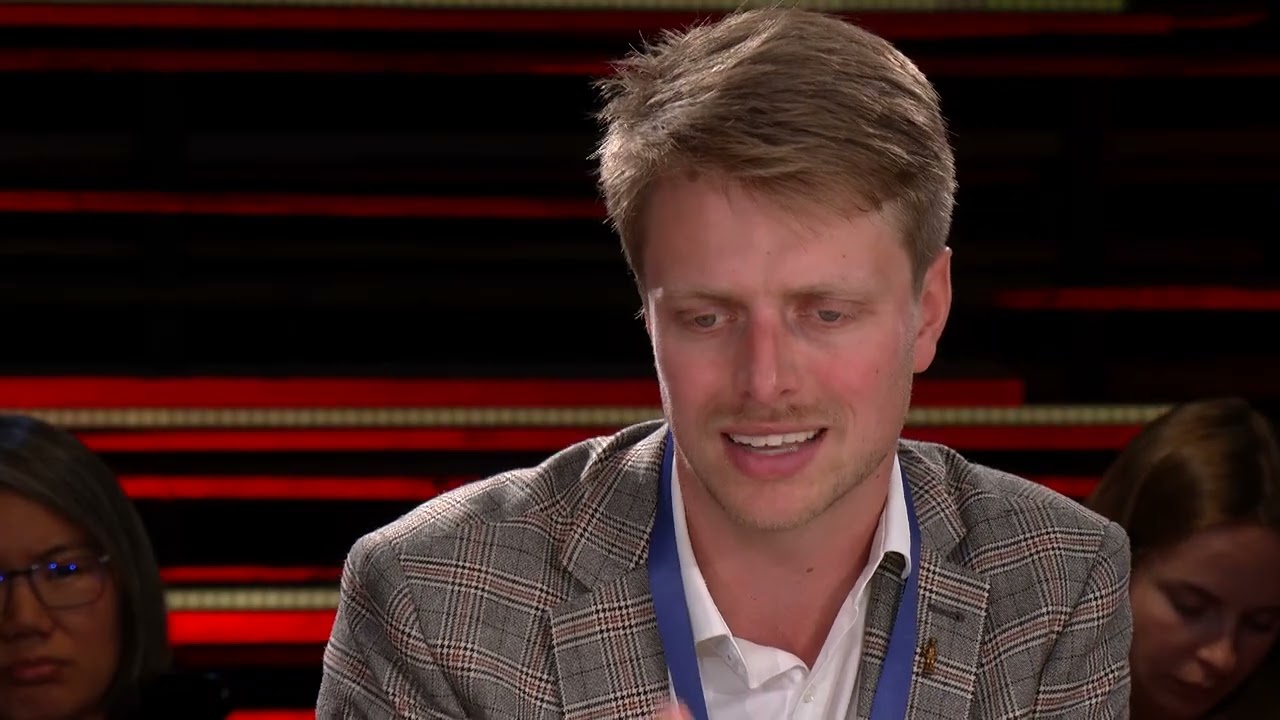
BOOST25 | Jeroen Scheer | Loslaten om de energietoekomst te herstellen

BOOST25 | Jeroen Scheer | Loslaten om de energietoekomst te herstellen

Ferranti paneldiscussie - Slimme data die leiden tot duurzame actie

Ferranti paneldiscussie - Slimme data die leiden tot duurzame actie

CEO / CIO in tech interview: Jeroen Scheer - Leader Digital Innovation

CEO / CIO in tech interview: Jeroen Scheer - Leader Digital Innovation

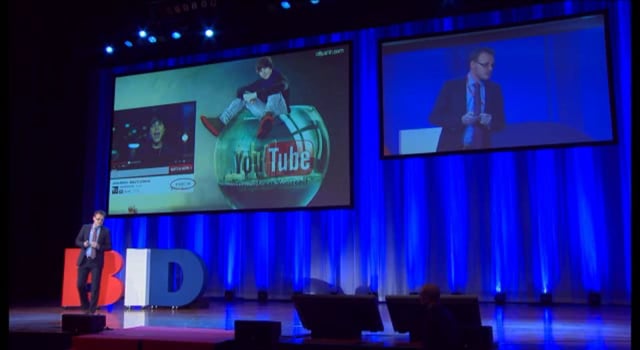
BID 2014 - JEROEN SCHEER

BID 2014 - JEROEN SCHEER

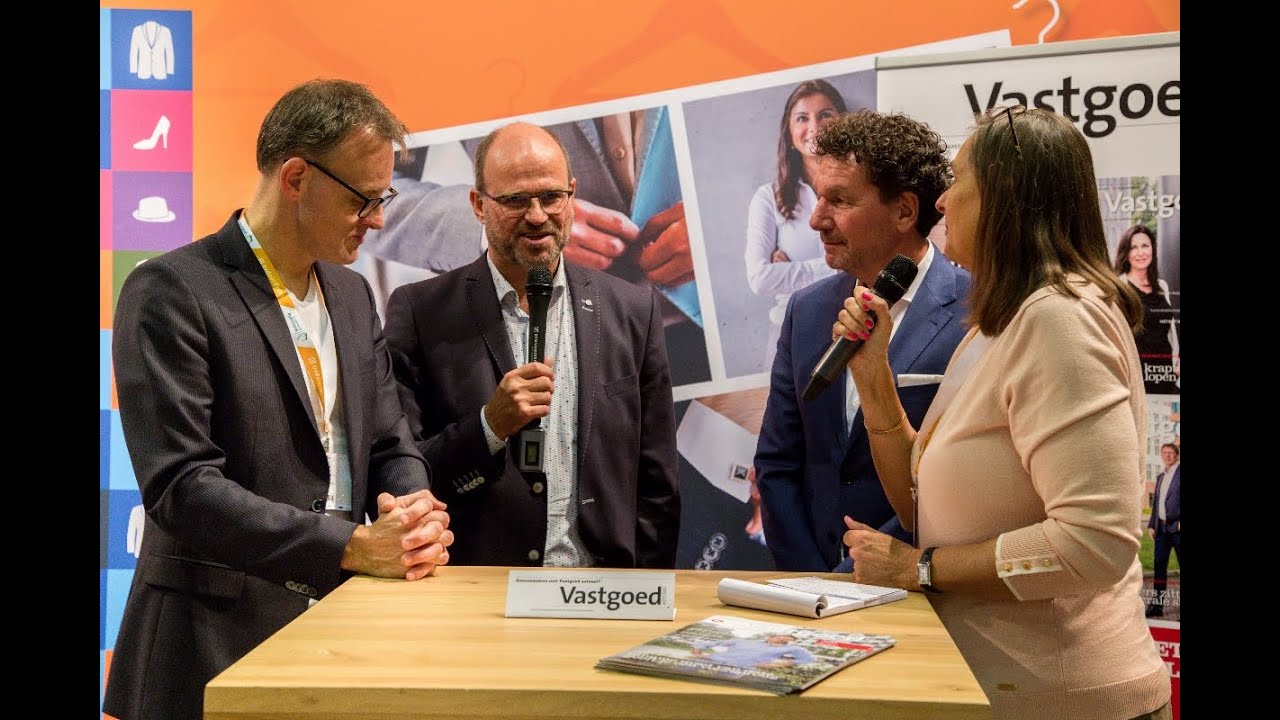
DVHV Interview Brouwer, Scheer en Duvekot

DVHV Interview Brouwer, Scheer en Duvekot

Alliander presentatie tijdens Digital Marketing in 1 Day, 20 Nov 2014

Alliander presentatie tijdens Digital Marketing in 1 Day, 20 Nov 2014

VNSG Congres 2012 - Compilatie

VNSG Congres 2012 - Compilatie

Enthusiastic about Jeroen Scheer?

Request quote