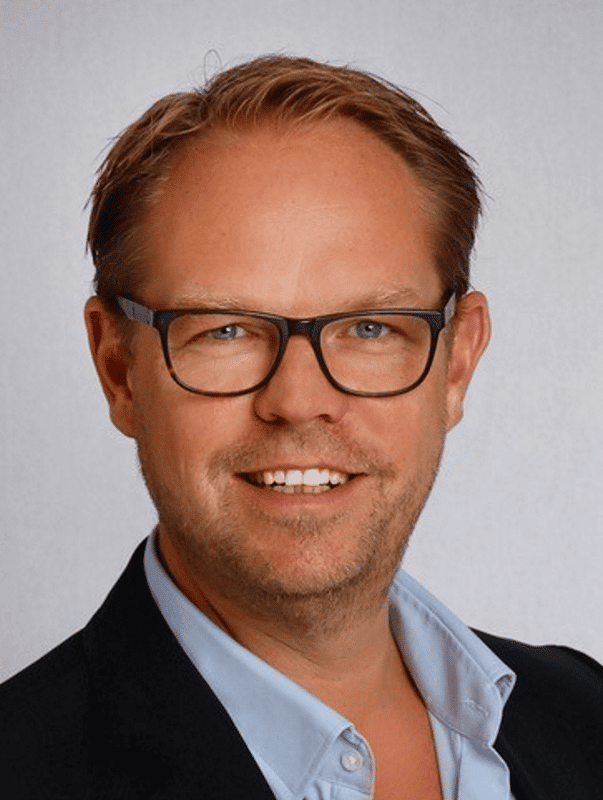
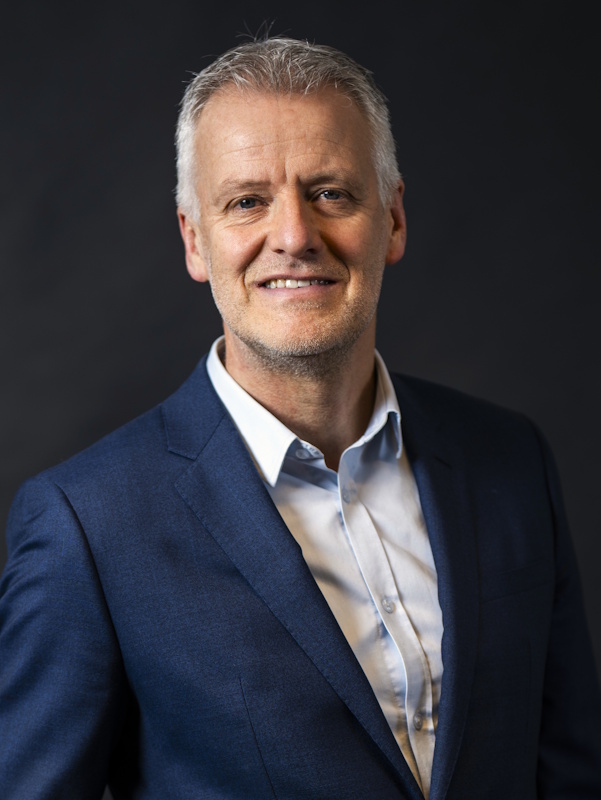
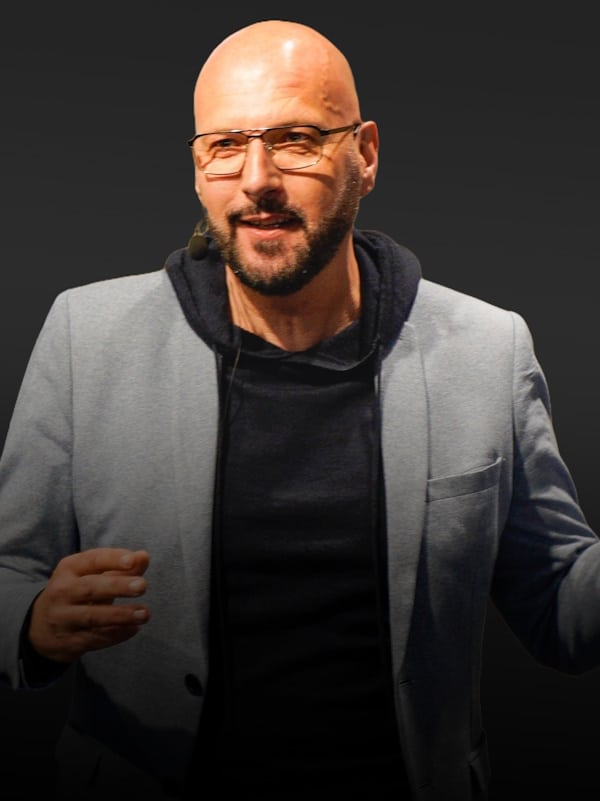
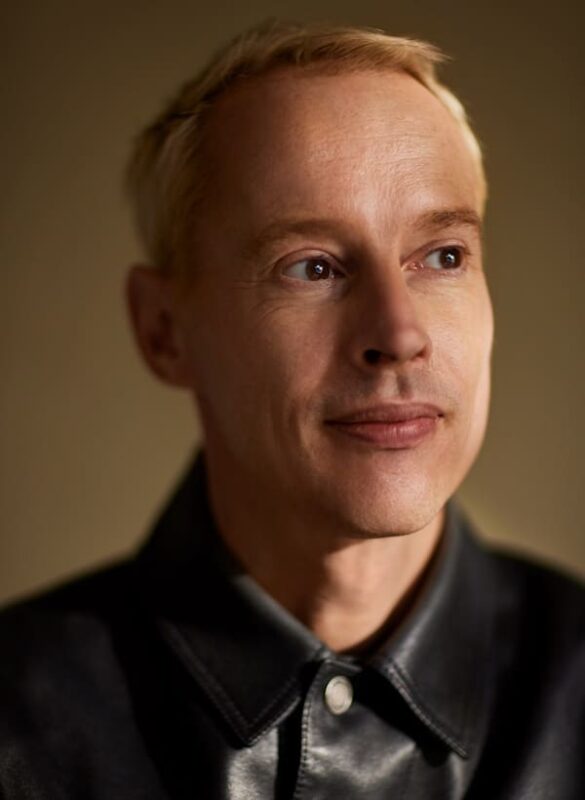
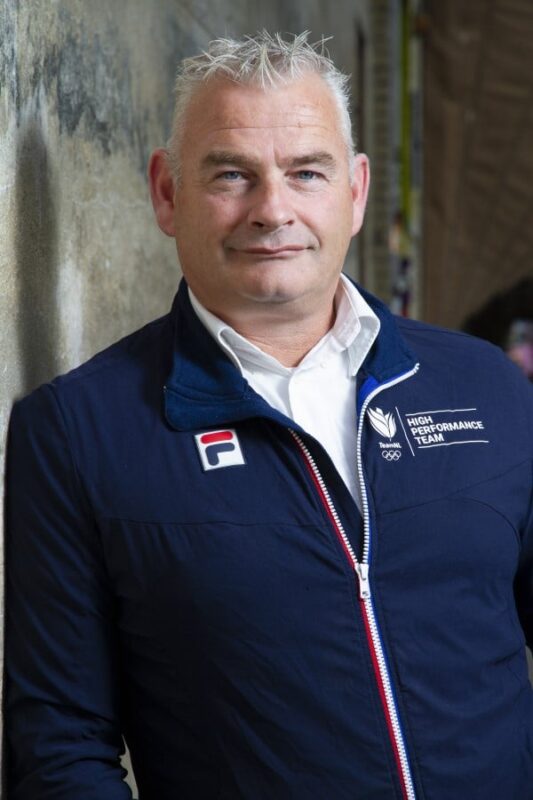
Jeroen de Graaf is an internationally recognized body language expert. Body language is the most underestimated form of communication. While we focus on what someone says, a second conversation is simultaneously taking place, invisible, unconscious, but often more telling than the words themselves.
What we do not know, we cannot see.
Body language is the most underestimated form of communication. While we focus on what someone says, a second conversation is simultaneously taking place, invisible, unconscious, but often more telling than the words themselves. The body always speaks. Even when the words are silent.
What is non-verbal communication and why is it so powerful?
Research shows that the majority of what we communicate does not happen through words, but through posture, facial expressions, tone of voice, and movement. The remarkable thing is that this largely occurs unconsciously for both the sender and the receiver. We intuitively sense when someone is hiding something, when a compliment is insincere, or when a negotiation partner is hesitant. But we often do not know why we feel that way. That ‘why’ is exactly what Jeroen de Graaf makes visible.
The unconscious body does not lie
Unconscious non-verbal signals are micro-expressions that last less than half a second, a slight change in breathing, an unintended hand movement, or a fraction too long of eye contact. They reveal what someone truly thinks or feels—authenticity, uncertainty, dominance, rejection—before the conscious mind has a chance to adjust.
Do you recognize this?
• Your colleague enthusiastically says ‘yes’ during the meeting but leans back and crosses his arms.
• Your conversation partner nods while raising his eyebrows.
• The director smiles, but the smile does not reach his eyes.
Each of these signals tells a different story than the words, and those who learn to read them have a fundamental advantage in every conversation. After all, it is about having a qualitative conversation, so ask the right questions based on the answers you receive. With a good understanding of unconscious non-verbal communication, you can ask the right questions to make the conversation more valuable.
Because we have never learned it. Our education focuses entirely on verbal communication: writing, speaking, presenting. The non-verbal layer, which is just as decisive, remains largely unaddressed. The consequence is that we miss signals that are right in front of us every day.
After an intensive four-year international training at institutes in Switzerland and France, Jeroen de Graaf has fully specialized in the unconscious domain of non-verbal communication. He maintains active contacts with universities and professors in Canada, the USA, France, and Switzerland, where the field is continuously evolving because body language is not a static subject. New insights from behavioral science, neurology, and psychology continually refine our understanding of how people truly communicate.
As the founder of Masters in Body Language, he trains and advises professionals in organizations where non-verbal communication is not a luxury but a core capability: the Ministry of Defense, the Police, the medical field, and the business world. He develops customized training programs that not only provide insight but are directly applicable in the next conversation, the next negotiation, the next meeting.
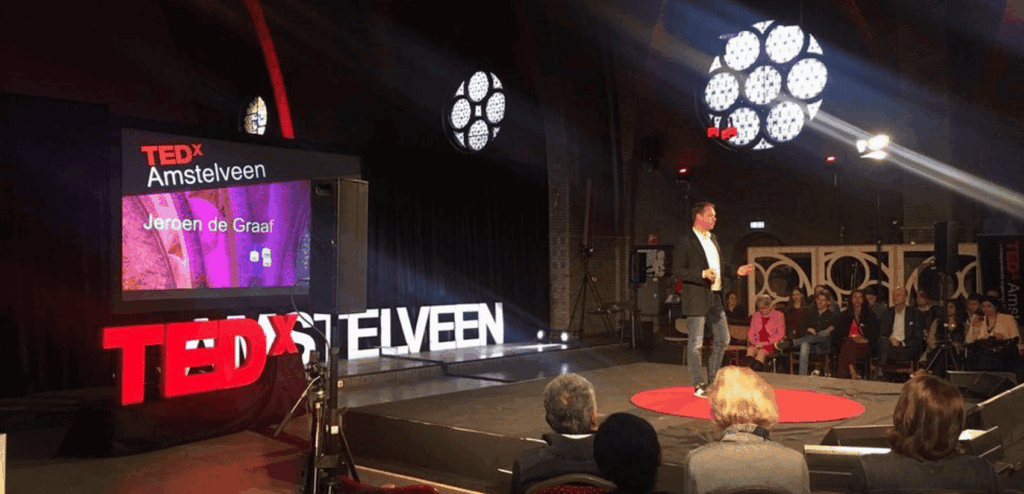
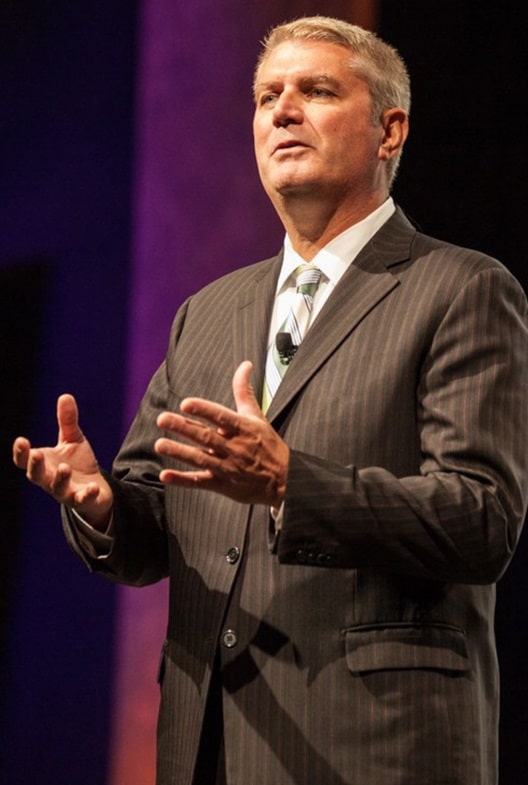
Jeroen has spoken at TEDx, RoundTable, and Emerce events, for groups ranging from 20 to over 2,000 attendees. His presentations combine scientific depth with immediate recognizability: the audience leaves the room with insights that work the very next morning.
}