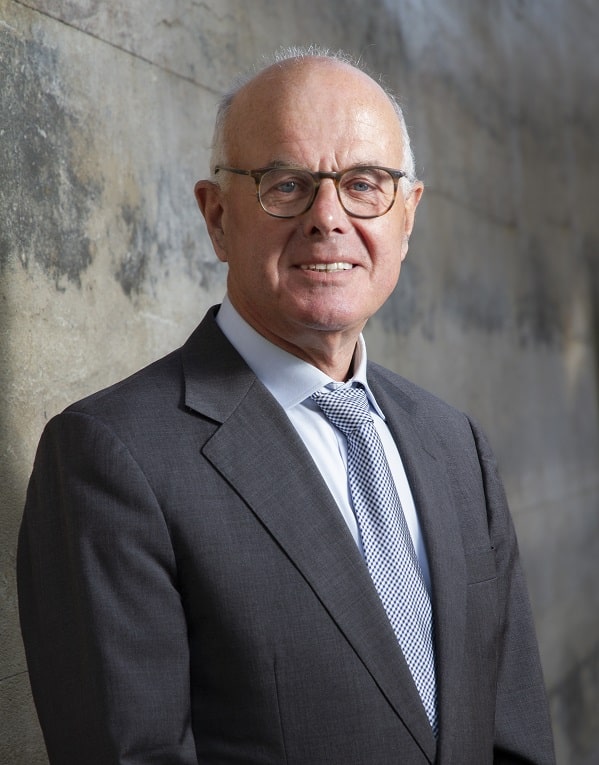
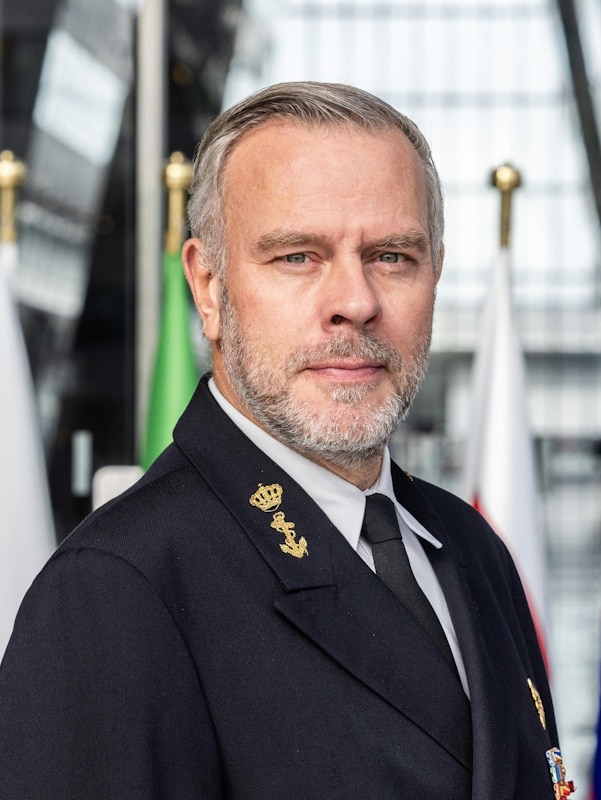
Hans Borstlap was the rapporteur for the annual advice on the Budget Memorandum, legislative proposals in the field of the labor market, and governance issues between government, education, and public health.
After many years of experience in various roles as council advisor to Prime Minister Lubbers, Director-General at the Ministry of SZW, and member of the Council of State, Hans Borstlap now gladly shares his vision on the future of the labor market. Developments in Dutch labor relations and governance issues between the government and major sectors of public service such as education and healthcare are topics he is keen to address.
He does this based on his experience as a former council advisor to Prime Minister Lubbers at the Ministry of General Affairs in the 1980s, during which he was twice the secretary to cabinet informateur Jan de Koning. He then held the position of Director-General at the Ministry of Social Affairs and Employment in the 1990s, during which he was the founder and first chairman of the European Employment Committee. From 2002 to 2016, he was a member of the Council of State.
Hans Borstlap was the rapporteur for 14 years of the annual advice on the Budget Memorandum, and of legislative proposals in the field of the labor market, labor relations, and governance issues between the government and education and public health. As chairman of research committees at the request of the Dutch government; including on the relationship between the Ministry of VWS and the NZA, following the suicide of an employee (2015), together with Tjibbe Joustra on the Tax Authority following a departure arrangement (2017), and on the Regulation of Work (2020) regarding rules for the future of the labor market (often referred to as the Borstlap committee). These reports were presented at press conferences with appearances on news programs.
He has ultimately found that the reactions of the audience almost always lead to learning moments for himself. It is a mutual process, where action and reaction lead to the continuous adaptation of speeches. This process will never come to an end; it is inherent to the process of hearing and responding amidst a challenging and constantly changing world in which we live and work.