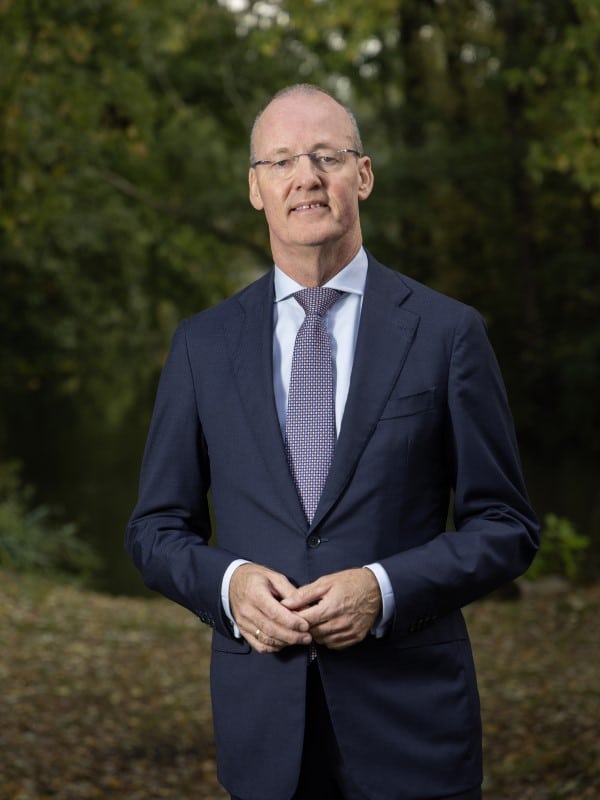
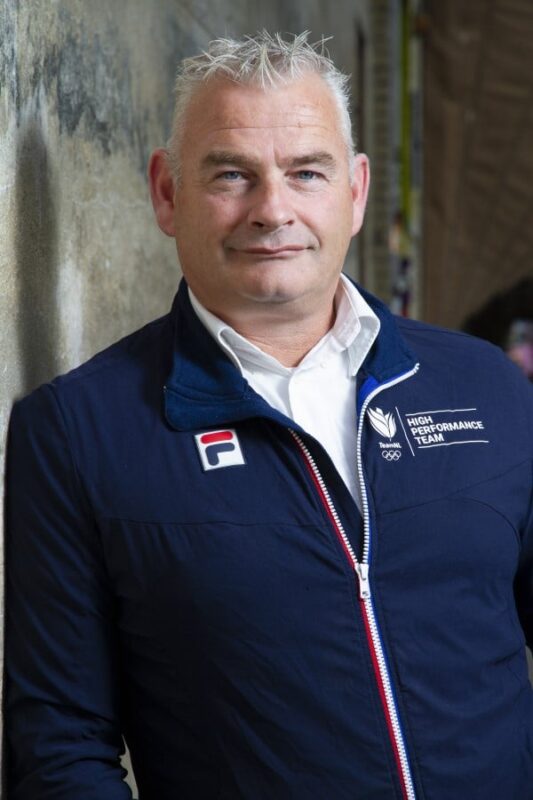
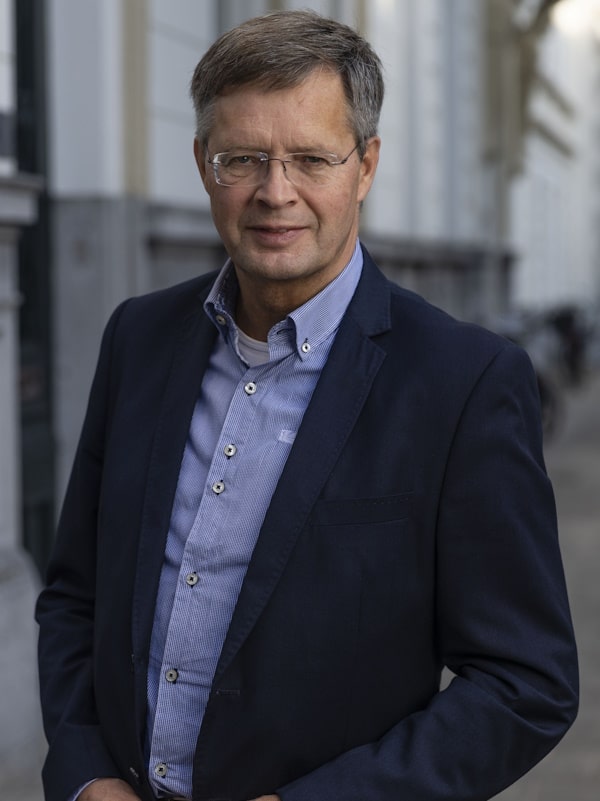
© Chris van Beek
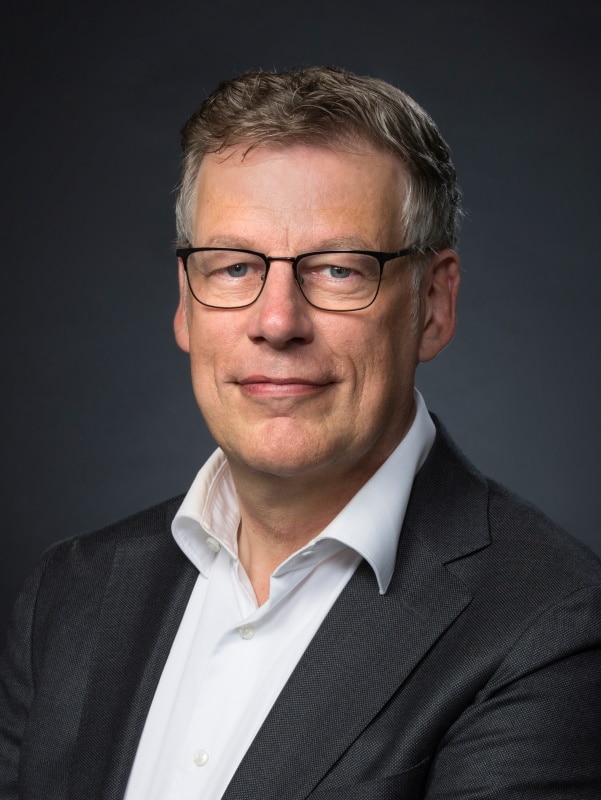
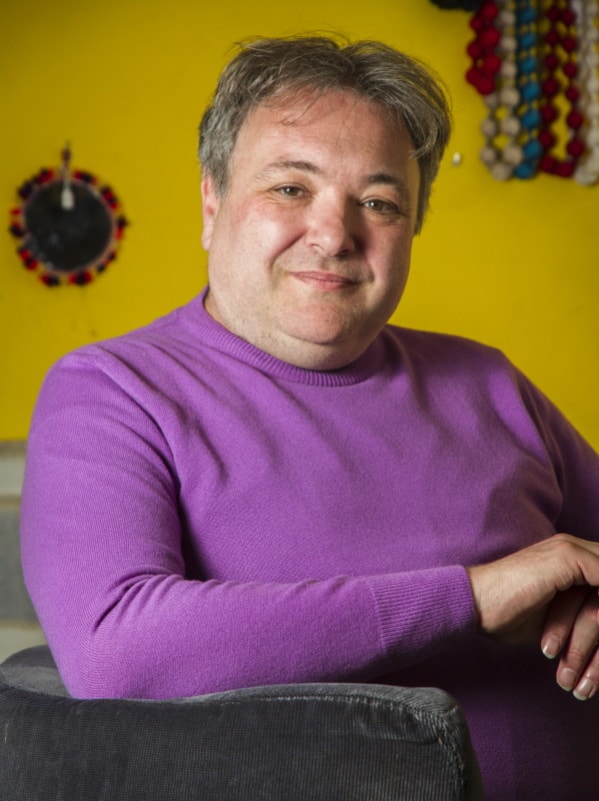
Frank Woreel dreams of a smaller government that collaborates better with the market in tackling social and economic issues.
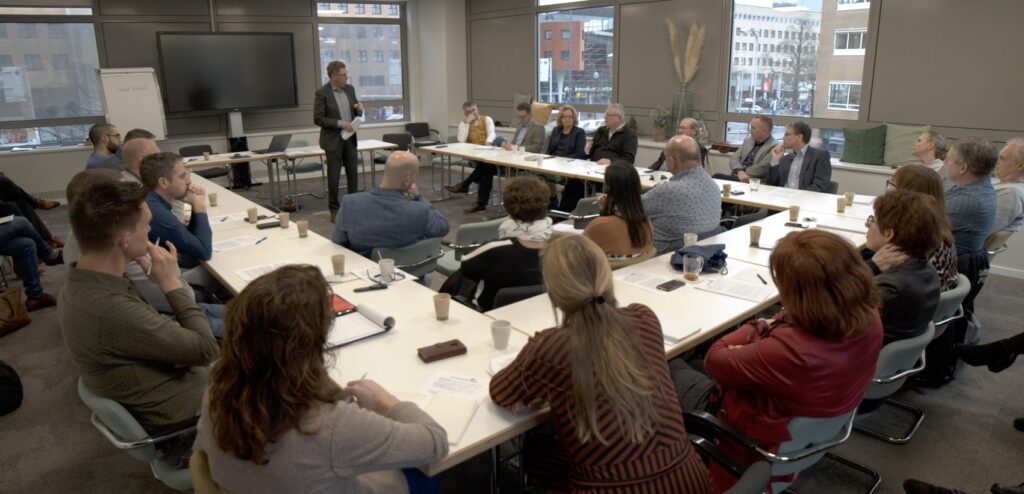
Since 2003, he has worked as an independent moderator on behalf of municipalities, companies, housing corporations, educational boards, industry associations, and social organizations. In various industries and sectors. On various themes that the government and society struggle with daily, such as asbestos, child abuse, home care, unemployment, waste, vacancy, sustainability, dying city centers, etc. Since 2003, he has held discussions with thousands of individuals and organizations. With the help of his developed and entirely demand-oriented “brainwrite method.” This results in bypassing bureaucracy in procurement procedures and improving the quality of work.
For the entrepreneurs’ organization “ONL voor ondernemers” in The Hague, he has been voicing the entrepreneur’s perspective since 2018. He is the initiator from the entrepreneurs’ organization of a think tank where scientists and entrepreneurs together propose measures to reduce regulatory burdens that have not been suggested before. Members of parliament and municipalities are provided with options they did not have before. Administrative burden reduction and bureaucracy reduction remain on the political and administrative agenda.
During annual meetings on domestic violence and child abuse between care providers, experts by experience, and municipal youth departments, he has been calling since 2015 for much more prevention of domestic violence and child abuse, allowing municipalities to resort to the Reporting Code less quickly. Results: children are less quickly unnecessarily removed from their homes or placed under supervision in some Dutch municipalities. Human suffering is prevented, and unnecessary bureaucracy is avoided.
Through a television broadcast of the VARA program “Zembla,” which he helped prepare in 2011 about the dangers of asbestos, the Secretary of State for Environmental Affairs was forced to conduct preventive investigations of all Dutch primary schools for the presence of deadly asbestos. Lives will certainly have been saved as a result of the renewed political and administrative attention to the dangers of asbestos, because:
• Asbestos roofs had to be removed more quickly and equipped with solar panels;
• Primary schools had to be more thoroughly investigated for the presence of asbestos;
• Fines for illegal asbestos removal were significantly increased.
In a public-private working group of the then Ministry of the Environment, he managed to break the deadlock between companies and municipalities in 2010 as a general board member and member of the environmental committee of MKB Nederland, thus helping to establish a workable Dutch Soil Protection Guideline for companies.
On behalf of the asbestos inventory industry, he advised Rijkswaterstaat in 2009 to set up an unusual but successful public-private structure to realize a drastic catch-up in asbestos research on asbestos-dangerous Rijks objects, deemed necessary based on parliamentary questions. As the drafter and executor of a framework agreement with Rijkswaterstaat, he facilitated successful public-private cooperation between Rijkswaterstaat and the entire asbestos inventory industry, as a workable and welcome alternative to time-consuming, expensive, and bureaucratic procurement procedures.
In the asbestos industry, he established a platform of critical companies that has been able since 2005 to voice a common and powerful protest against the government’s excessive control drive and the complicity of industry associations. As a spokesperson, he addressed politicians, administrators, and the Labor Inspectorate on a “zero tolerance” approach to fraudulent companies, among other things through a motion adopted thanks to the VVD parliamentary group to significantly increase fines for the illegal removal of asbestos.
In 2000, he acted as a mediator for a medical devices industry at the request of the Competition Authority to end the collective negotiations of the industry with health insurers, allowing the artificially high rates of medical devices maintained by the industry until then to decrease, enabling companies to compete independently on price and quality, regardless of the prescriptive behavioral rules of the industry association.
Since 1995, as the manager of a public-private environmental cooperation project with 200 employees, reporting to the then Minister of VROM, he successfully led a campaign together with MKB Nederland and the then Ministry of the Environment for fiscal compensation by the Tax Authorities for environmental investments by companies in, among others, the automotive industry, which was required to install liquid-tight floors against soil contamination.