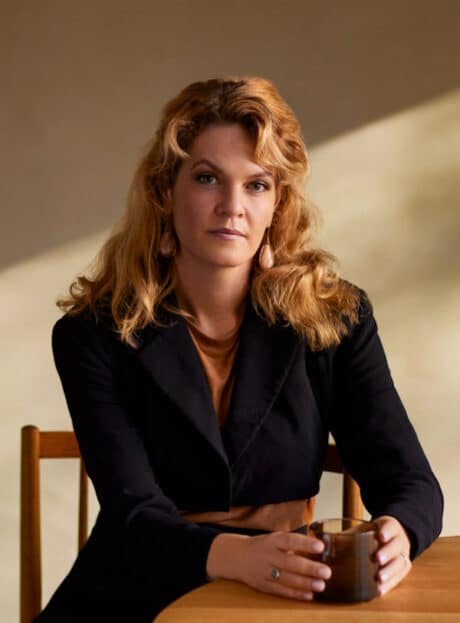
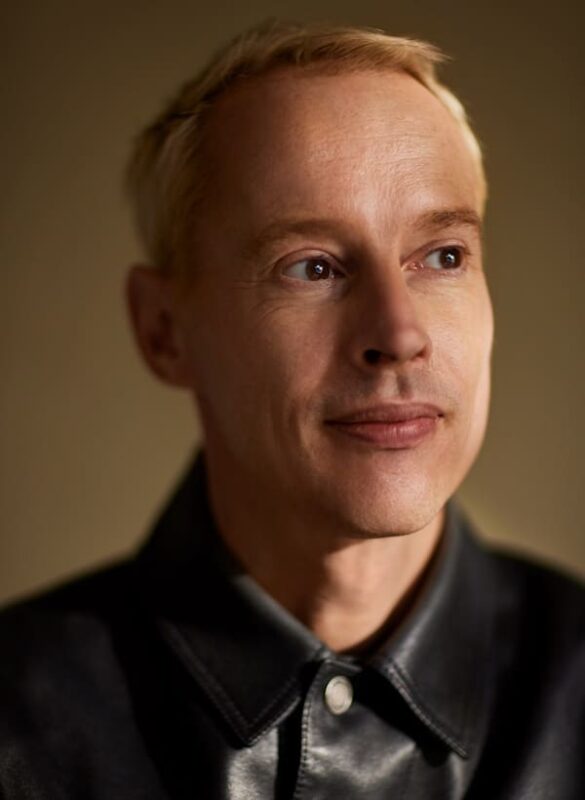
Eliette Abécassis, born in 1969 in Strasbourg, is a French writer. She is the daughter of Armand Abécassis, a philosophy professor and renowned thinker of Judaism, whose writings and teachings establish a fruitful dialogue between Judaism and Christianity.After completing her preparatory classes ...
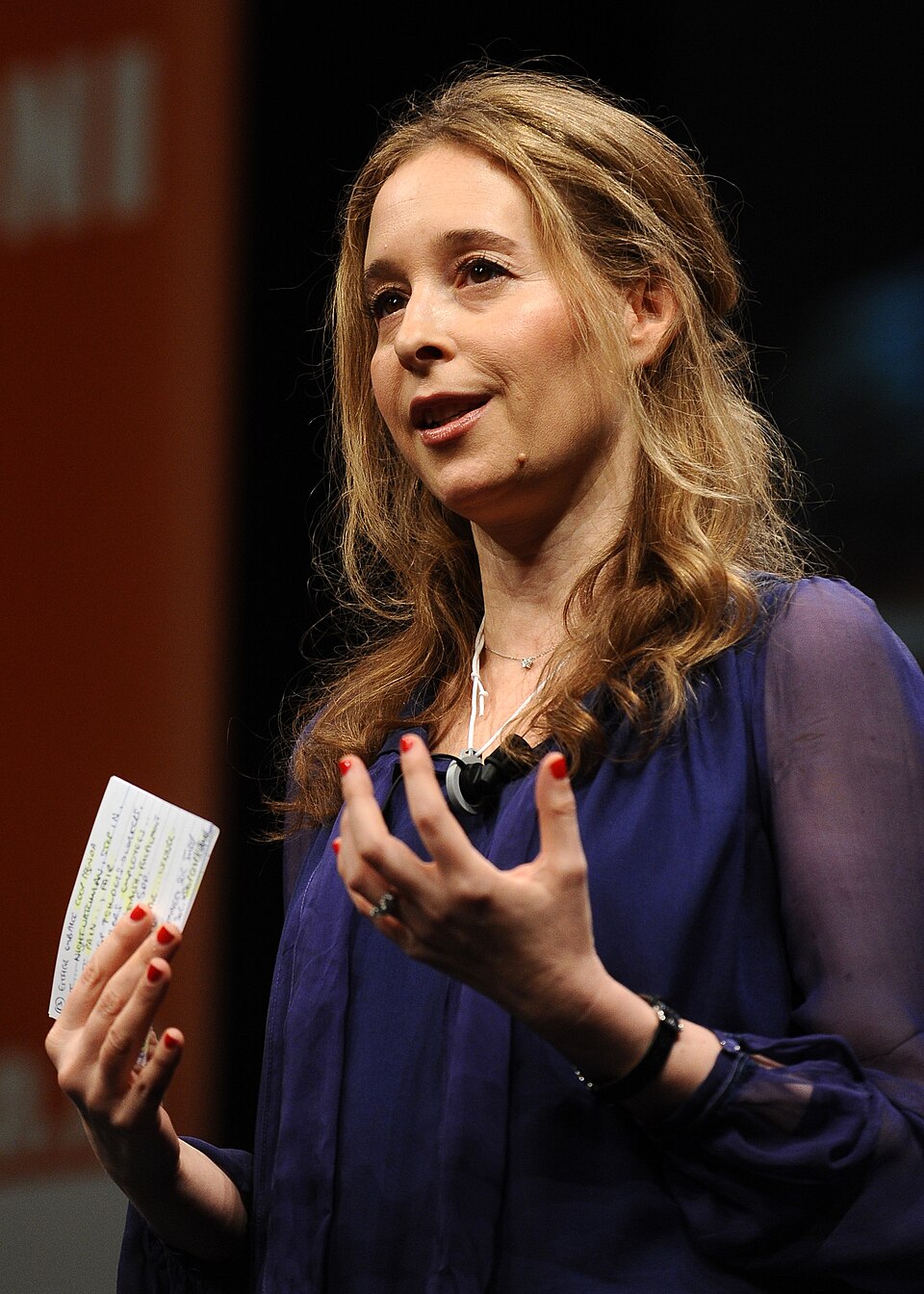
Eliette Abécassis, born in 1969 in Strasbourg, is a French writer. She is the daughter of Armand Abécassis, a philosophy professor and renowned thinker of Judaism, whose writings and teachings establish a fruitful dialogue between Judaism and Christianity.
After completing her preparatory classes at Lycée Henri IV in Paris, she joined the École Normale Supérieure, rue d’Ulm. A philosophy agrégée, she taught for three years at the University of Caen before embarking on writing novels, children’s books, essays, and screenplays. A mother of two, she lives in Paris. For her books, she conducts extensive research, whether through travel, reading, or following the characters of her novels, such as Nathalie and Sonia Rykiel, for “Mère et fille, un roman.”
In 1998, Eliette Abécassis wrote an essay on Evil and the philosophical origin of homicide: Petite Métaphysique du meurtre at PUF. In September 2000, she published her new novel with Albin Michel, La Répudiée. She received the Prix des écrivains croyants 2001 and was a finalist for the Grand Prix du roman de l’Académie française and the Prix Fémina. This novel is inspired by the screenplay she wrote for the film Kadosh by Israeli director Amos Gitaï. To develop this screenplay, Eliette Abécassis lived for six months in the very orthodox neighborhood of Jerusalem, Mea Shearim. In 2001, Le Trésor du temple narrates the sequel to Qumran on the trail of the Templars: Ary Cohen and Jane Rogers reunite to investigate the secret of the Jerusalem temple. The Qumran trilogy skillfully adopts the form of an adventure and suspense novel but conceals within its plots genuine erudition and real metaphysical ambition. The same year, she directed the short film “La nuit de noces,” with a screenplay co-written with Gérard Brach. In 2002, the novel Mon père was published, which tells the story of the questioning of an idyllic father-daughter relationship while Qumran was adapted into a comic book by Gémine and Makyo. In 2003, her novel Clandestin tells the story of an impossible love. It was part of the selection of twelve books for the Prix Goncourt. In 2004, the last installment of Qumran, La dernière tribu, was published. In 2005, with her novel Un heureux événement, Eliette Abécassis tackles the theme of motherhood. She also directed the docu-fiction Tel Aviv la vie, with Tiffany Tavernier. In 2007, she published with Caroline Bongrand an essay on contemporary women, titled Le Corset invisible. In 2009, she published the novel Sépharade, whose heroine, in her existential quest, immerses herself in the world of Moroccan Sephardic Jews. In 2011, she published Et te voici permise à tout homme, where she recounts the difficulties of obtaining a religious divorce. In 2013, she published Le Palimpseste d’Archimède. In 2014, she published Un secret du docteur Freud, written with the help of her mother, a psychoanalyst. In 2015, Alyah was published, a sort of testimony of a Jewish woman after the January 2015 attacks in France.