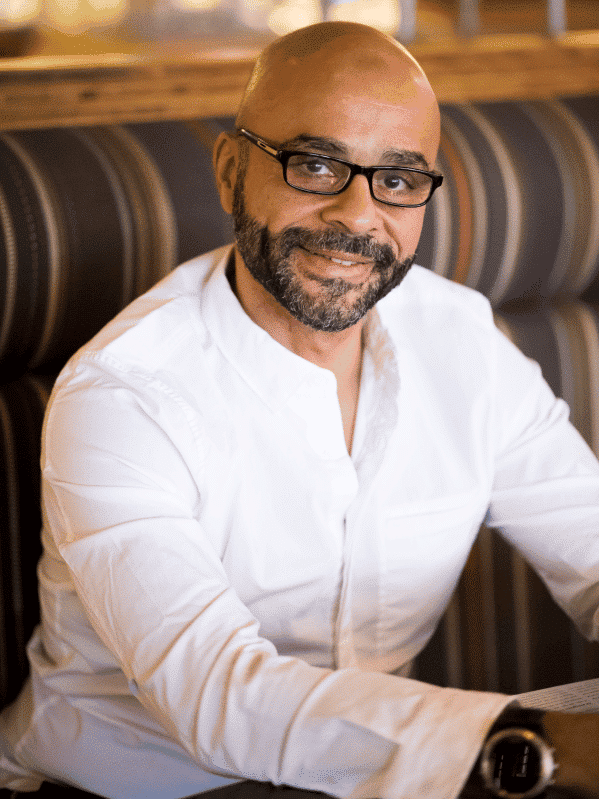
Professional background: Publishing | InternetEditor. Director of "Jean Boîte Éditions", a publishing house founded in Paris in 2011. Digital Manager of the Fondation Cartier for Contemporary Art. Advisor and director of digital projects for cultural, scientific institutions, and private clients ...
Professional background: Publishing | Internet
Editor. Director of “Jean Boîte Éditions”, a publishing house founded in Paris in 2011. Digital Manager of the Fondation Cartier for Contemporary Art. Advisor and director of digital projects for cultural, scientific institutions, and private clients (Mobilier national, IDDRI-Sciences Po, City of Paris, Apple, HV Conseil…). Lecturer in the Master’s program in Editorial Creation at Blaise Pascal University in Clermont-Ferrand (63) Conference topics: For a historical understanding of the digital revolution. The issue here is simple and major: we are experiencing successive upheavals related to digital technology on both intimate and social scales. Traditional industries are undergoing their revolutions one after another, including, among others: the banking system, hospitality, transportation, culture, and in this domain, the book. This last example (the book) highlights the emotional dimension of this revolution. We are witnessing cryptic debates for/against, a determination among professionals to preserve their economic model, etc. With the greatest historians of the book and reading (Roger Chartier, Alberto Manguel), we will shed light on the exceptional nature of this revolution from a historical and scientific perspective, and draw practical conclusions for the evolution of existing models and the best possible management of this revolution in our professional environments. And this, while keeping a cool head. Paths for a happy future of publishing and cultural industries. After a cross-analysis of the changes made or underway in cultural and information industries (cinema, press, television, music, reading), we see common characteristics emerging in the digital revolutions of these fields. Drawing inspiration from completed and ongoing experiences, we outline a prospective panorama of future practices and the evolutions they imply for cultural actors. Here again, it is a cool-headed perspective in search of the most solid common denominator that structures this research and gives it its value: everyone can appropriate it to question their professional practice. Finding meaning in navigation, a historical issue, a digital reality. The world according to the Internet: an anachronistic and shifted rereading of our Internet experience that sheds new light on it. First, the macro vision: by diving into the great historical navigation experiences, from Portuguese sailors – who set out to discover new worlds without knowing the currents – to circumnavigation, we will discover patterns that repeat in the great digital adventures and discoveries underway. Then the micro vision: when we “navigate” on the Internet, we invoke reflexes and mechanisms that are those of the travel experience. How, after becoming aware of this, can we make these journeys more intense, more precise, and even more enriching? The know-how of the editor beyond the book. This is a development in the professional sphere of a Master’s course intended for future editors. To edit, in its most rigorous definition, means to: 1/ give form to an idea 2/ popularize this form (in the noble sense: make it accessible to the greatest number). By decrypting the mechanisms of the traditional editor’s profession and its chain of competencies, we will methodically understand how it can redeploy them across many areas of the digital sphere. And from there, how a very large number of skills can be flexibly redeployed in the digital framework.