This site requires JavaScript to render the code.

Need to know how to enable JavaScript? Go here.

Speakers
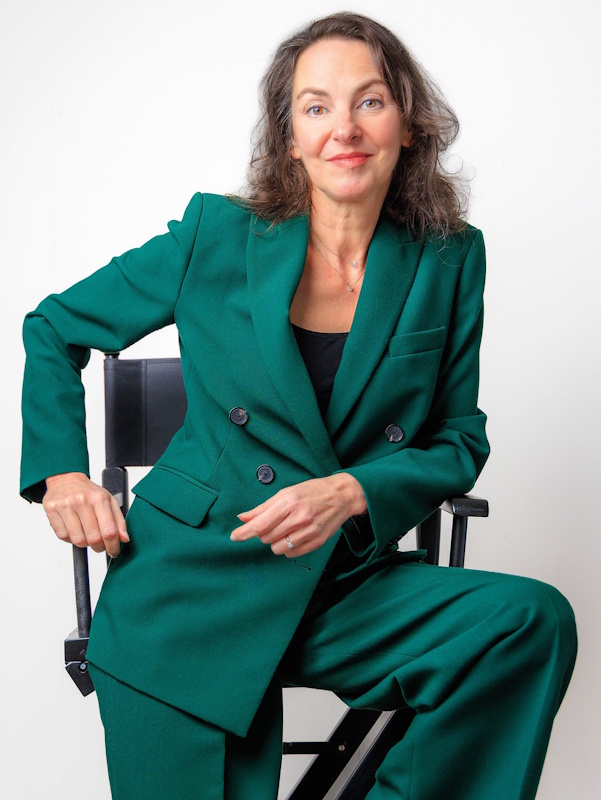
© Iris Borst
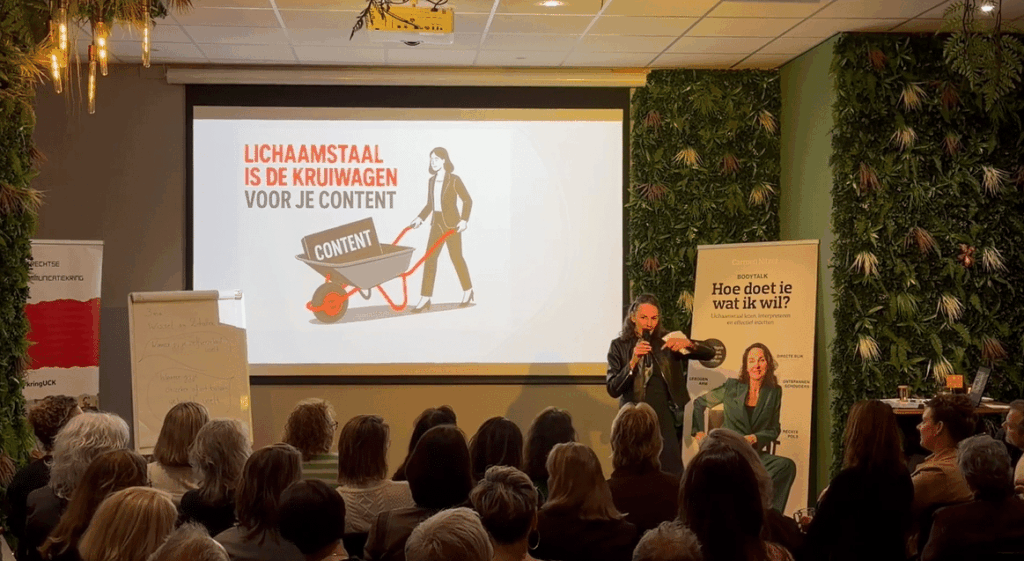
The Power of Body Language

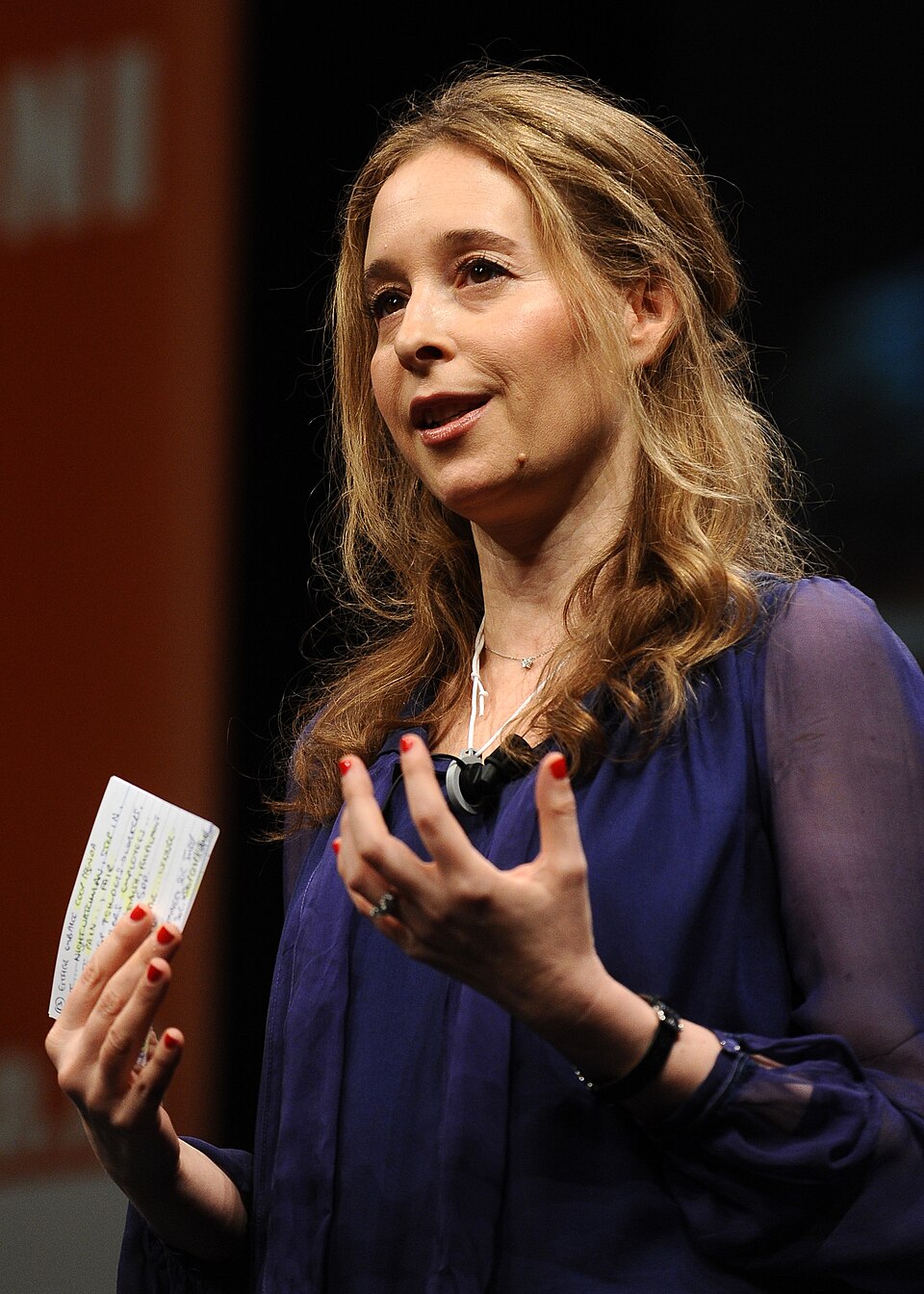
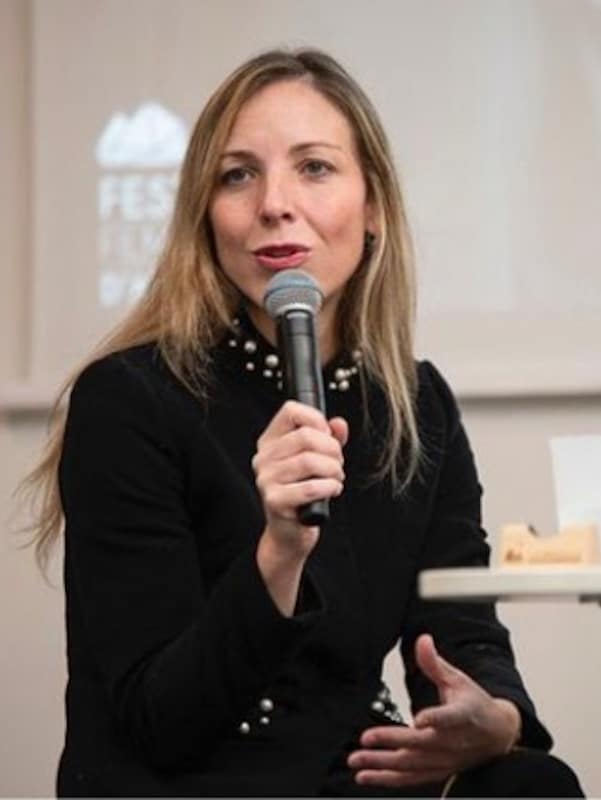
Carmen Nitzer

Carmen Nitzer reveals the power of body language. As a dancer and actress, she knows how credibility is created or lost. With her artistic background and keen insight into behavior, she helps leaders and professionals consciously use their body language to significantly enhance their impact.

Languages:
Employability:
Dagvoorzitter,Keynote spreker,Workshop / Masterclass
Employability:
Dagvoorzitter,Keynote spreker,Workshop / Masterclass,

Specialist Subjects

1. What you see – determines what you achieve

For years, we have held onto the saying: “Treat others as you would like to be treated yourself.” Well-intentioned, but often inadequate in practice. It overlooks a fundamental fact: we are all different. Where norms and values were once more clearly communicated, our society has become increasingly individualised. This demands something different from leaders, teams, and organisations.

Today, it is not about treating everyone the same, but about acting in a tailored manner. And that begins with learning to read what is really happening: body language. How someone moves, speaks, and reacts shows what they need, what they find important, and how they want to be approached. Behaviour is movement — and those who learn to recognise movement learn to understand people.

And it is precisely there that connection arises. When you learn to decipher someone’s movement pattern, you can make better contact, build trust faster, and collaborate more effectively. Not by steering harder, but by aligning better.

From that insight arises a powerful principle: treat others as he, she, or they want to be treated. And every collaboration benefits from that.

Who is this keynote for?
This keynote is developed for:
• Leaders and managers
• HR professionals and team coaches
• Sales and customer-oriented teams
• Organisations in change or growth
• Anyone who wants to learn to align better with behaviour and communication

What does it deliver?
After this keynote:
• You will see behaviour and body language faster and more sharply
• You will better understand what is really happening in conversations and teams
• You can align communication more effectively with others
• You will reduce miscommunication and assumptions
• You will increase your influence without steering harder

What do participants take away?
Participants go home with:
• Practical insight into body language and movement patterns
• Awareness of their own communication and behaviour patterns
• Tools to make connections faster
• More control in conversations, collaboration, and leadership

Result in organisations
This keynote not only changes how people look. It changes how people work. By looking better, better contact arises. By better contact, better collaboration arises. And that has a direct effect on performance, trust, and leadership.

2. The power of re-moving

It feels familiar. Your behaviour fits you like a coat — so naturally that you think: this is who I am. But what if that is not true? What if it is not who you are, but how you move? There lies the key.

Your way of moving directs your thinking — and thereby your results. That can help you, but also limit you. Because as soon as you are stuck in fixed patterns, you lose flexibility. And precisely that flexibility determines how effective you are in a world that is constantly changing.

Behaviour is movement. And movement can be changed. If you learn to recognise how you move — and when that helps or hinders you — control arises. You can consciously switch, adapt, and steer. Not by thinking differently, but by moving differently.

We all know re-thinking: the glass is half full or half empty. You choose your perspective, and that influences how you act. But re-moving goes further. It is more direct. More powerful. And above all: more effective.

Who is this keynote for?
This keynote is relevant for:
• Leaders and managers
• Teams that want to grow in collaboration and agility
• Professionals in dynamic or changing environments
• Coaches, trainers, and HR professionals
• Organisations working on behaviour change and culture development

What does it deliver?
After this keynote:
• You will understand how behaviour, thinking, and results influence each other
• You will recognise fixed patterns that limit your effectiveness
• You will gain insight into how you can consciously switch behaviour
• You will increase your flexibility in communication and collaboration
• You can directly influence by choosing different behaviour

What do participants take away?
Participants go home with:
• A clear insight into their own behaviour patterns
• Awareness of automatic reactions and choices
• Practical tools to directly influence behaviour
• More control over their effectiveness in work and collaboration
• A new way of looking at change: through movement

Result in organisations
This keynote makes change tangible. Not by thinking differently, but by moving differently. And that has a direct effect on collaboration, leadership, and results. Organisations experience more flexibility, better alignment, and more ownership in behaviour.

3. Social integration and ordering through body language

We constantly organise social integration with body language. Without explicitly agreeing, a subtle but powerful system of in or out emerges.
What position do you assign yourself in a group? And more importantly: what place do you actually get?

Besides formal authority — such as knowledge, skills, age, or function — your position in a group is strongly influenced by your facial expressions, posture, gestures, and voice use. Your body language often speaks before your words.

Those who look closely see this field of forces constantly at play. For example, in political environments, where positioning, influence, and status become visible in micro-behaviour, interactions, and non-verbal signals. But this game is not only played at the highest level. It happens every day in teams, organisations, and collaborations.

The question is not whether this happens, but how you consciously deal with it. How do you ensure that you are truly part of a team? Or are seen as someone who can take leadership?

In this subtle game of group dynamics and being authentically present, the ability to read and interpret body language is an absolute game-changer. Those who understand this not only see what happens — but also understand why someone is or is not followed, heard, or included.

Who is this keynote for?
This keynote is particularly relevant for:
• Leaders and team managers
• HR professionals and organisation developers
• Project and programme leaders
• Teams working under pressure or change
• Professionals who want to strengthen their influence and positioning

What does it deliver?
After this keynote:
• You will understand how social ordering in groups arises
• You will recognise non-verbal signals of influence and positioning
• You will see faster who takes which role in a team
• You can switch more consciously in your own presence and behaviour
• You will increase your effectiveness in collaboration and leadership

What do participants take away?
Participants go home with:
• Insight into group dynamics and invisible hierarchies
• Awareness of their own non-verbal impact
• Tools to better align in teams and groups
• Tools to build influence and trust
• A sharper eye for what is really happening in interaction

Result in organisations
This keynote makes the invisible visible.
Teams will look differently at collaboration, influence, and leadership. There will be more awareness of behaviour, position, and communication — leading to better collaboration and more effective decision-making.

Videos

Enthusiastic about Carmen Nitzer?

Request quote