About
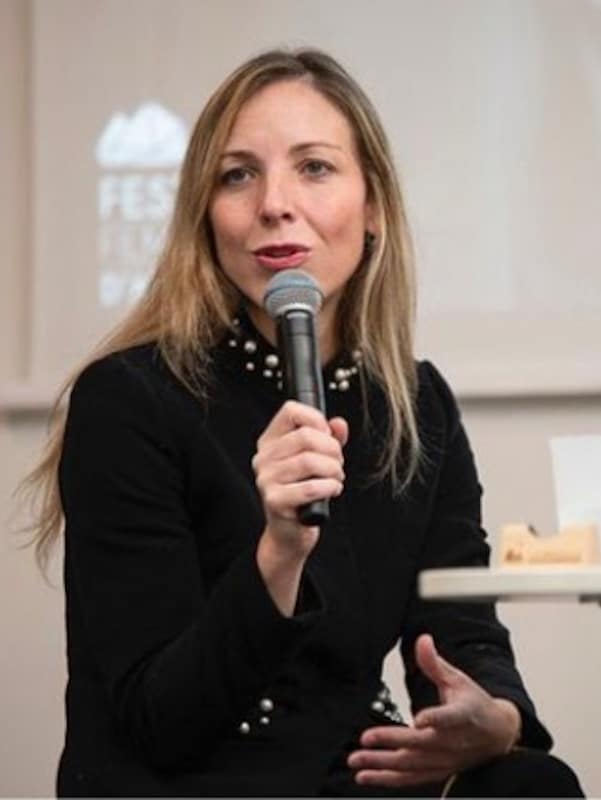
Annemarie Mars
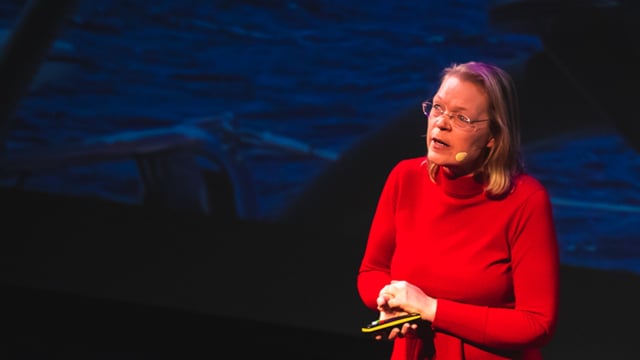
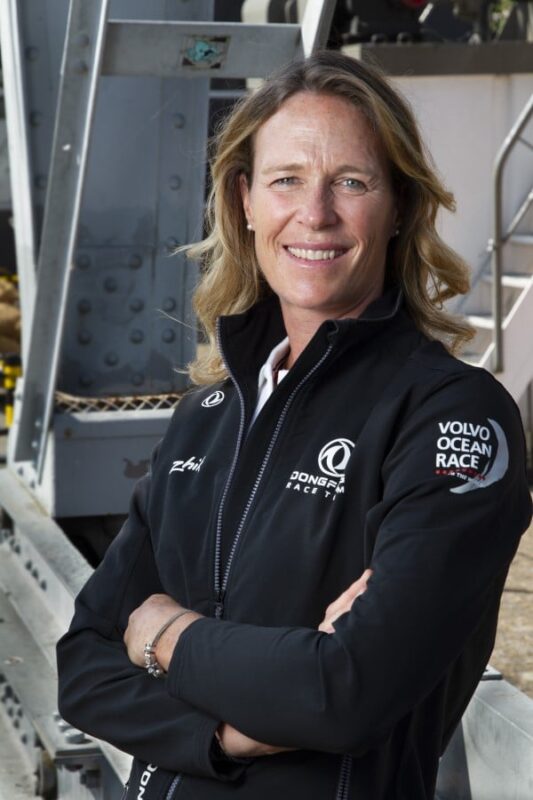
Annemarie Mars is a passionate change expert who has been at the heart of the challenging change practice for nearly 30 years. She helps leaders, directors, and managers to provide space, direction, and guidance for changes that truly make a difference.
Annemarie continuously publishes insights gained from her work. Over the years, a practical, well-considered, and coherent body of thought has emerged regarding leadership in change, documented in seven books and 75 blogs. More than 20,000 copies of her book How to Get Them Onboard? have been sold. It is used in many higher education and management programs. Additionally, she created the podcast series The Art of Finding. In 2021, her latest book The Function of Friction was released. It reached the top 10 on managementboek.nl and received enthusiastic reviews from peers.
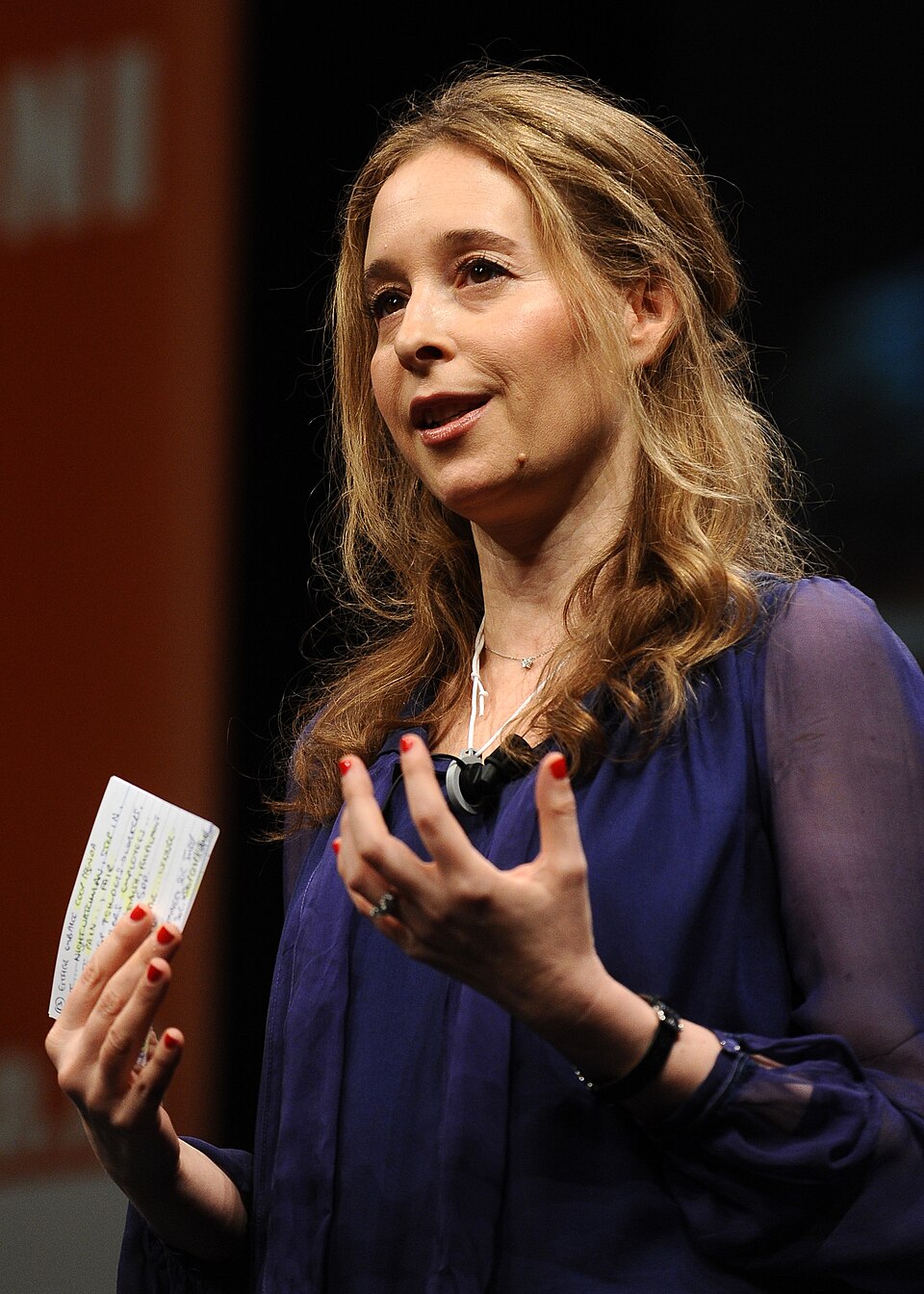
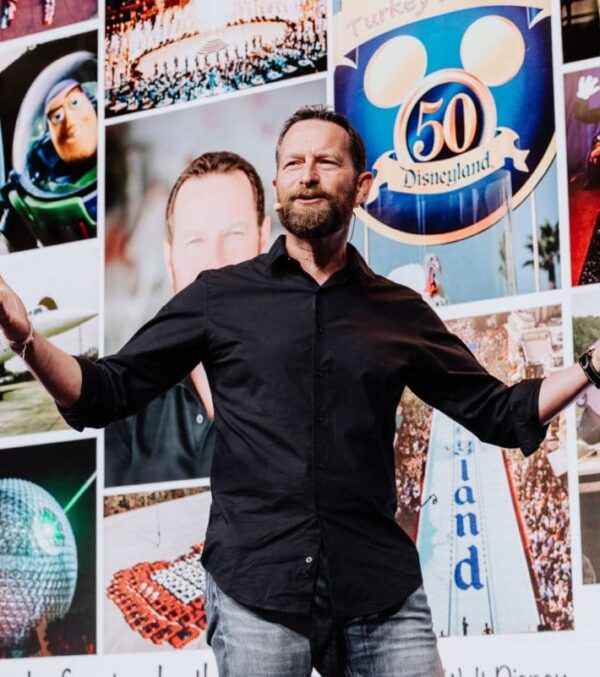
Her presentations are always fueled by passion, focused on interaction, filled with relatable examples, and tailored to the participants’ situations. In those moments, she does what she loves most: making people think about their leadership in change, so they know what to do in their complex situations.
Annemarie is averse to buzzword jargon and intoxicating change romanticism, and she thrives best in organizations where reflection and laughter are encouraged.
Her clients include institutions in education (Leiden University, Amsterdam University of Applied Sciences, primary and secondary education), business and financial services (Deloitte, Rabobank, Pension Fund for Hospitality and Catering), healthcare and welfare (LUMC, GGZ Drenthe, Archipel), government (Municipality of Rotterdam, Police, UWV), and collaborations (Strong Technical Education, Platform Together Educating, MKB!dee)
}
1. The good conversation about behaviour
Organisations come to life through the way people work (together) with each other. It is important to have conversations about that behaviour. So that you keep your finger on the pulse of whether you are (still) doing the right things and sufficiently seeking collaboration.
2. The function of friction
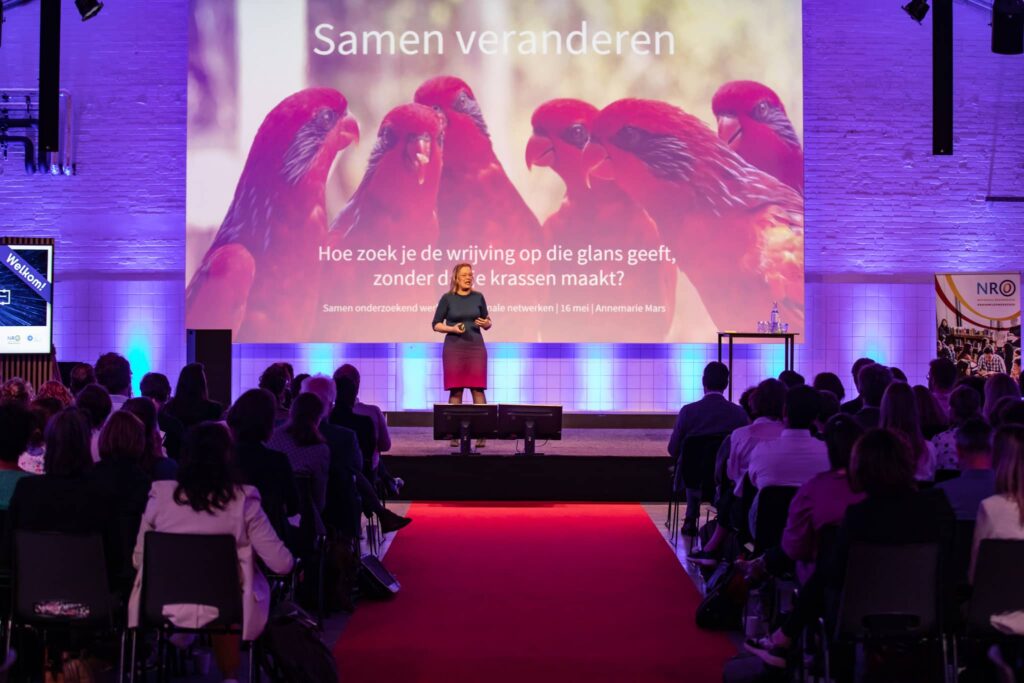
In the conversation about change, we touch each other, seek each other out, and clash with each other. That friction and abrasion have an important function: to find the best possible direction together and bring it to life with our behaviour. However, changes also unleash hassle and negativity that mainly hinder movement. This presentation clarifies how to seek out the friction that gives shine without causing scratches.
3. How do you get them on board - and they you?
A change is only successful if people can connect to it, if they feel the intrinsic motivation to exhibit the behaviour that brings the change to life. But the path to connection is full of pitfalls, causing people not to engage or show resistance in the conversation about the change. In this presentation, Annemarie shows five forces that can stimulate connection among each other.
4. Changing together
Complex change tasks are increasingly tackled in self-managing teams, networks, chains, and partnerships. Changing together sounds wonderful, but the practice is stubborn. We investigate everyone’s motivations, the distribution of authority, and the best way to search together, so that every partner can find a foothold to move together.
5. From us and them to together
Turning around the patterns that cause people to unintentionally stand opposite each other.
Us-them thinking is the pattern in which one group of people labels another group as an obstacle to achieving their goal.
It can cause much harm in organisations. The blame increases the threshold to seek out the conversation with the other. That increases the chance of decisions that do not work. That contributes to more blame and thus even less willingness to engage in conversation. Leading to even more decisions that do not work. And so on.
What can you do to break such a negative spiral?
In this presentation, we search for the forces that cause people to unintentionally stand opposite each other. For this, we first dive into the content of the change task to look for opportunities to connect maximally with the other and to acknowledge differences. Then we look at what you as a leader can do to turn around common patterns that put the relationship under pressure.
So that you can change together and build a relationship that can withstand a bump.