
Do you know which AI your employees are already using?

In many organisations, AI is being adopted faster than policy, oversight and risk management can keep up. For executives and managers, this is an important signal. The question is not only what AI can deliver in terms of speed, convenience and efficiency, but especially whether employees act with sufficient risk awareness when they use AI in their daily work. This is where a vulnerable area arises: shadow AI.
What is shadow AI?
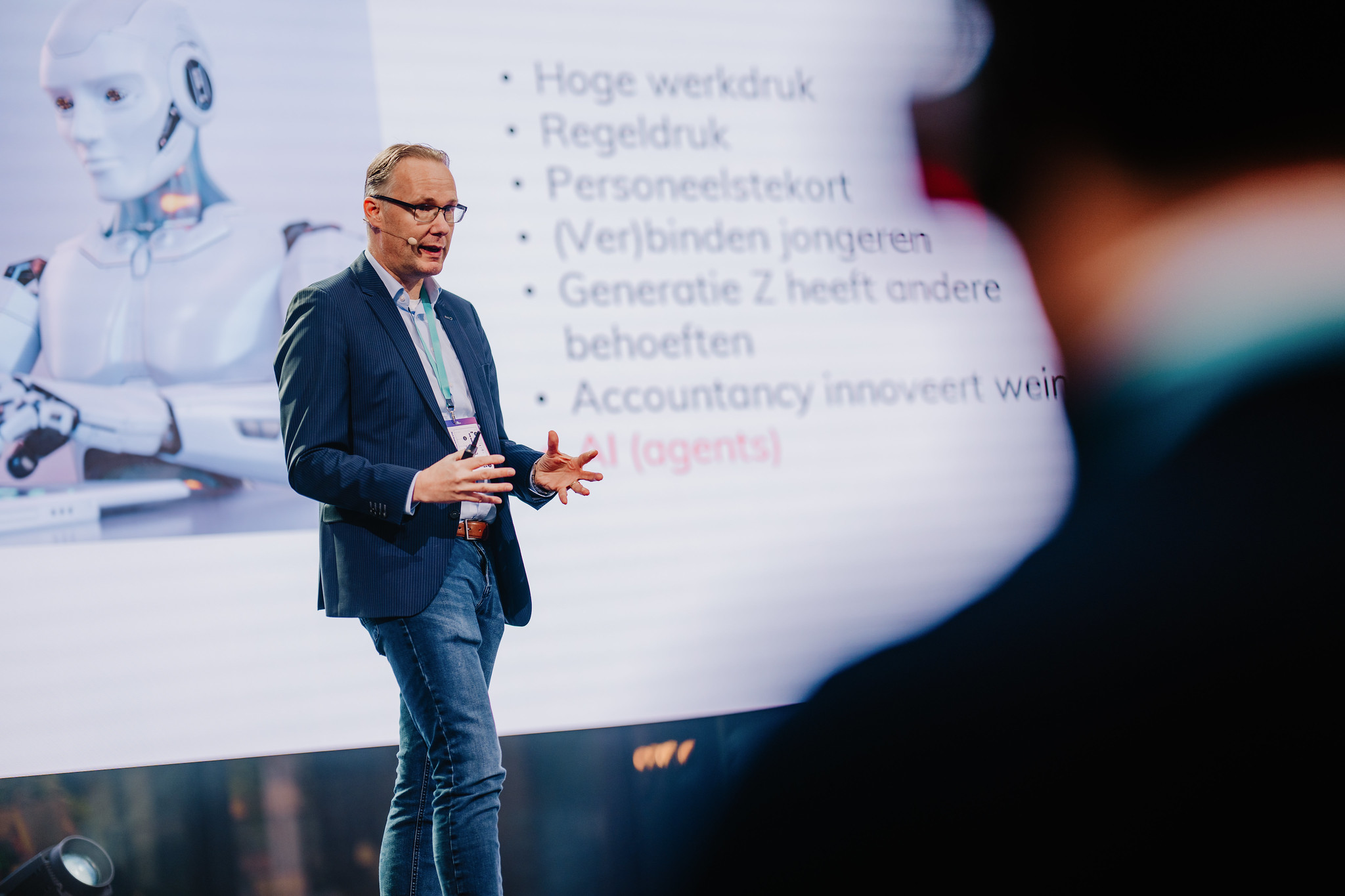
Shadow AI arises when employees use AI applications without clear agreements, frameworks or approval. An account manager has a client email rewritten, an HR employee summarises CVs or a project team converts minutes into action points. The intention is usually good and the time savings are immediately noticeable. At the same time, it is often not established which data may be used, who is responsible for the outcome and how control takes place.
Shadow AI is therefore not just a technical subject. It is primarily a question for leaders. Executives and managers make the rules, but also determine the culture. In that culture, employees must be able to assess what is wise and responsible. If an auditor, client or regulator asks which AI tools the organisation uses, “we don’t know exactly” is not a good answer.
Why shadow AI is growing rapidly
- AI is easily accessible. Employees do not have to wait for a plan, budget or official decision. They can immediately paste a text, client email or report into an online AI tool.
- The advantage is immediately clear. AI helps with texts, minutes, analyses, client queries and reports. As a result, employees quickly start using it in their daily work.
- The risks are less noticeable. Think of data leaks, incorrect conclusions, unfair outcomes and unclear responsibilities. An organisation often only notices this when something has already gone wrong.
The AI Act increases the urgency
The European AI Act makes this more important. Not every AI application will be subject to strict rules. But organisations must be able to explain which AI they use, what data goes into it, who is responsible and which risks have been considered. This is especially important for AI in HR, assessments, credit provision, client advice or other decisions that can affect people. Clear agreements are needed for this. Employees must also know when an AI tool can pose risks.
It starts with oversight, clear rules and awareness. Which AI tools are employees already using? What information do they input? Who checks the outcomes? And do employees know when a handy application can lead to legal issues, errors or reputational damage? Without that awareness, shadow AI remains out of sight.
Three recognisable examples
In HR, AI can help to sort applications faster. But it must be clear what the AI tool focuses on. Does the AI assess candidates fairly? Are personal data well protected? And who ultimately makes the decision?
In sales, AI can help create better proposals or client emails. But be careful with sensitive information. Think of prices, margins or internal agreements. If that data ends up in an external AI tool, there is a risk to confidentiality.
Automatically summarising meetings also seems handy. Yet recordings and texts can contain names, client data, strategy or confidential decisions. Therefore, not every AI tool is automatically a wise choice. Clear agreements are needed first.
From rules to risk awareness
A general ban on AI seems straightforward, but is usually not feasible in practice. Employees will continue to look for tools that make their work faster or better. It is more effective to provide direction: what is allowed, what is not and when is extra caution needed? Executives and managers have a dual role in this. They must set frameworks and promote a culture in which employees dare to identify risks before they arise.
Three steps help to encourage risk-aware AI use:
- Talk about it openly. Ask teams which AI tools they use and for what purpose.
- Translate policy into practical choices. Not only establish rules, but make it clear which data should never be entered into public AI applications, when human control is required and when an employee should seek advice from compliance and risk management specialists.
- Invest in awareness. Teach employees not only how AI works, but especially when its use becomes sensitive. This creates AI literacy combined with a mature risk culture.
In conclusion
AI offers organisations many opportunities, but also requires risk-aware leadership. Those who only focus on speed and efficiency miss the question of whether employees have enough support to make responsible choices. A keynote during an organisational event or a session in the boardroom can help executives and managers to make shadow AI, the AI Act and responsible AI use concrete. Not as a brake on innovation, but as a basis for conscious, safe and controlled use of AI throughout the organisation.
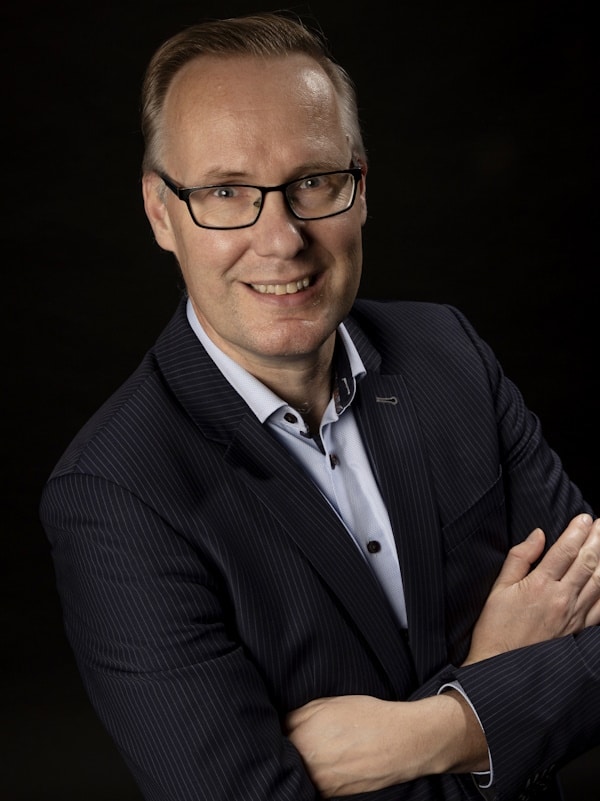
More risk awareness around AI in your organisation? Invite Martin de Bruin for a keynote during your event, leadership day or boardroom session. He makes the risks of shadow AI, the AI Act and responsible AI use understandable, concrete and applicable for executives, managers and employees.
Martin de Bruin is a keynote speaker, risk manager and expert at the intersection of AI, European regulation, information security and risk management. With over twenty years of experience, he helps organisations not only to harness technological developments but also to manage them responsibly.
A contribution of
-
Organizations want to quickly jump on the AI hype. But without clear frameworks, Shadow AI emerges: employees use AI tools outside of visibility, agreements, and control. Martin de Bruin shares from his own experience how organizations can use AI safely, smartly, and responsibly. Martin de Bruin has been working for more than twenty years at the intersection of risk management, governance, and organizational change.
From reading to listening?
The best stories truly come to life on stage. Our consultants will be happy to advise you personally.