Über
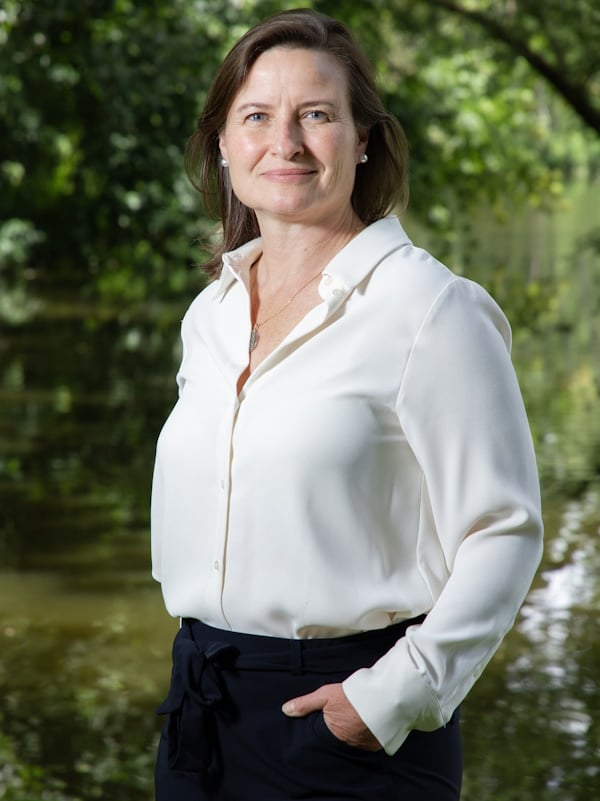
Mary-Claire Rijsman
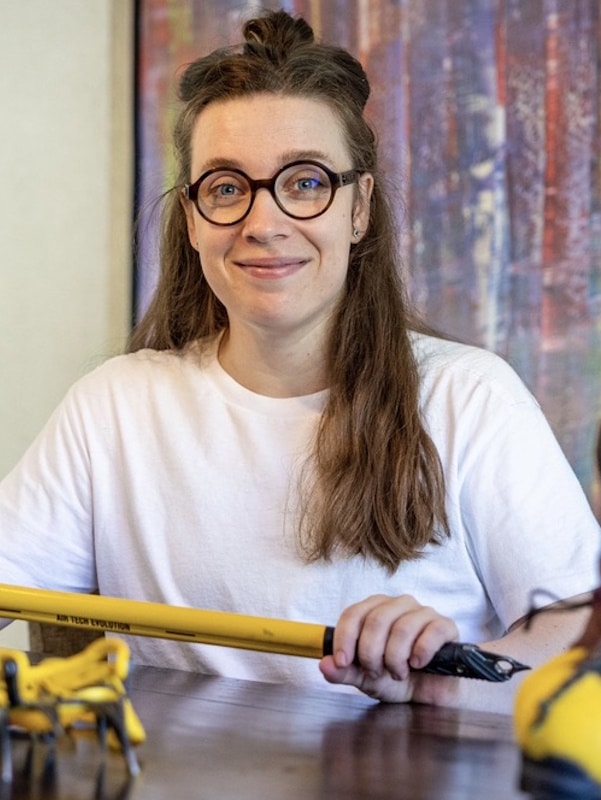
Jeder erklimmt seinen eigenen Berg, aber wie stellen Sie sicher, dass Sie den Gipfel erfolgreich erreichen? Was bringt Sie dazu, ein Ziel zu erreichen oder nicht, und was begegnet Ihnen auf dem Weg? In großer Höhe sind die Bedingungen oft extrem, und Sie werden garantiert auf Rückschläge stoßen. Wie gehen Sie damit um? Und wie leisten Sie unter Druck? Mit atemberaubenden Fotos nimmt Mary-Claire Sie mit in die Berge, verbindet das Bergsteigen mit dem Geschäftsleben und hofft, Sie zu motivieren und zu inspirieren, Ihren eigenen Gipfel zu erreichen und Ihren eigenen Erfolg zu schaffen.
Die Berge sind unser wahres Spiegelbild, und manchmal ist der Berg, der erobert werden muss, Sie selbst.
Mary-Claire hat ihren Doppelabschluss in Allied Medical Care, magna cum laude, erworben und sich auf Anästhesie und Notfallmedizin im Rettungsdienst spezialisiert. Neben ihrem Job und ihrer Bergsteigerkarriere studiert sie Rechtswissenschaften an der Open University. Eine Position als Staatsanwältin liegt daher in der Zukunft, und kein Berg ist zu hoch für diese ehrgeizige 27-Jährige.
Am Ende des Tages werden wir uns nicht an die schnellen und einfachen Gewinne erinnern, sondern an die härtesten und größten Herausforderungen, die wir gemeistert haben.
Als Alpinistin weiß Mary-Claire, wie wichtig starke und gesunde Muskeln sind, um den Gipfel zu erreichen! Deshalb engagiert sie sich zusammen mit ‚Spieren voor Spieren‘ für Kinder mit Muskelerkrankungen. Sie hat auch viele Kinder mit Muskelerkrankungen behandelt, während sie auf der Kinder-Intensivstation gearbeitet hat. Mit ihren Besteigungen hofft sie, so viel Geld wie möglich zu sammeln, um zu einer strahlenden Zukunft mit gesunden Muskeln für alle Kinder beizutragen.
1. Pushing boundaries literally and figuratively
In the mountains you literally climb to new heights, with each step being a confrontation with yourself and overcoming obstacles. Reaching the summit represents not only a triumph over the rugged terrain, but also a personal victory and the pushing of physical and mental limits.
Both in the mountains and on the job, the process of pushing boundaries is steeped in perseverance. Whether climbing to a summit or pursuing professional success. It is those who are willing to challenge the status quo and themselves who often achieve the most rewarding outcomes.
2. Dealing with setbacks when you fail to achieve a goal (the summit)
Dealing with setbacks when you don’t achieve your goal, such as reaching the summit, takes resilience and a positive mindset. Instead of getting discouraged by the setback, it provides an opportunity for self-reflection and growth. Every expedition comes with high and lows. Accepting failure as part of the process and maintaining a positive attitude leads to new opportunities and ultimately to longer-term success.
3. The functioning of a team especially during extreme conditions
Team functioning, whether in the mountains or on the job, is put to the test in extreme conditions. In mountainous terrain, where conditions are often unpredictable and challenging, effective communication is essential. A good team anticipates change, works together to overcome obstacles, and shares the heavy load evenly. The same is true at work, where teams are under pressure to meet deadlines or face unforeseen challenges. In both scenarios, trust in team members is crucial, as everyone plays a specific role that contributes to collective success. During extreme circumstances, teams can learn to be flexible, make quick decisions and support each other, which not only improves performance but also strengthens the bonds between them.
4. Motivation and discipline to achieve a long-term goal
Climbing a mountain requires motivation and discipline. Motivation is the force that arises from the desire to reach the summit and the fuel that moves you forward in moments of physical exhaustion. Discipline, on the other hand, emerges when the way up becomes steep and demanding. The combination forms a powerful tandem, allowing mountaineers not only to push their physical limits but also to overcome mental obstacles on the way to the summit.
5. Physical and mental health
Both in the mountains and at work, physical and mental health play a role in achieving success. Physical preparedness is crucial to face challenging terrain and altitudes, requiring a combination of strength, endurance and acclimatization. At the same time, mental resilience is put to the test, confronting yourself and your team through nature in the most extreme conditions. At work, mental resilience is crucial for navigating stressful situations, promoting teamwork and maintaining a positive work environment.
6. Combining top sports and studying
Combining sports and studying is challenging. It requires a commitment to intensive training schedules and expeditions. At the same time, academic success requires consistency, focus and time for study and assignments. Mastering both requires strict planning and discipline. Nevertheless, this combination also offers valuable life lessons, such as the ability to set goals and priorities. Successfully combining sports and studying requires not only athletic talent, but also a determination to excel in the mountains as well as at the University.
7. Explorers Grand Slam
Mary-Claire is on her way to becoming the first Dutch female mountaineer to reach the so-called ‚Explorers Grand Slam‘. These are the famous ‚Seven Summits‘ – the highest mountain on each continent – and skiing to the last degree of the North and South Pole. This journey has already taken her to the summits of Kilimanjaro, Elbrus and Kosciuszko, and during her Elbrus expedition she even became the first Dutch mountaineer to climb both the east and west summits. She is currently preparing to face Aconcagua, Denali, Vinson and the South Pole in 2024. And to complete this mission, she will climb Mount Everest and ski to the North Pole in 2025.