Über
Christine Fitzgerald
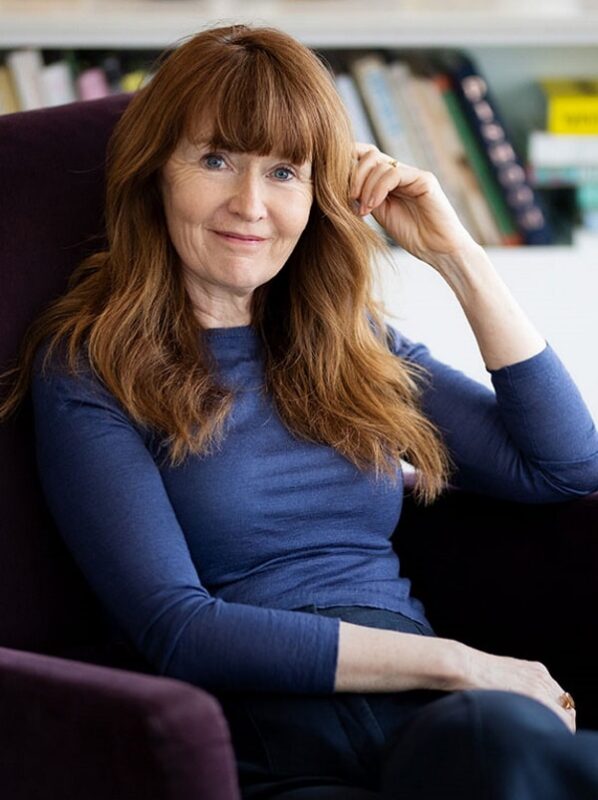
Unser volles menschliches Potenzial auszuschöpfen, unsere Stärken zu nutzen, das bestmögliche Leben zu führen und dabei unsere Zukunft zu gestalten, ist der Aufruf zum Handeln, den viele heute hören. Als Expertin für Organisationsverhalten, Personalentwicklung, Führung und positive Psychologie ist Frau Fitzgerald eine hoch angesehene Professorin an mehreren Universitäten, Wirtschaftsschulen und eine einflussreiche Rednerin für große internationale Organisationen. Als Absolventin mit Auszeichnung von der Pace University erhielt Christine Fitzgerald ihren MA in Entwicklungspsychologie von der Columbia University in New York. Bei Chemical Bank (heute J P Morgan) arbeitete sie in den Bereichen Marktforschung, strategische Langzeitplanung, Projektmanagement und Unternehmensschulung.
Die Kraft, einen bleibenden positiven Einfluss zu hinterlassen, kommt aus unseren inneren Ressourcen. Diejenigen, die sich auf externe Machtquellen verlassen, werden ständig scheitern. Der Kontakt mit und die Nutzung innerer Kraft schafft, heilt und verbindet, sodass wir echte Macht ausüben können, indem wir andere ermächtigen.
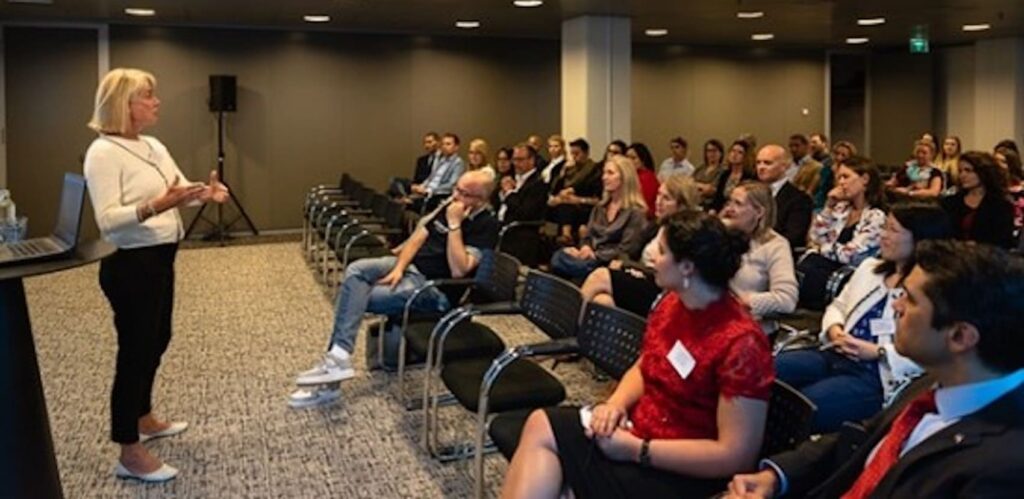
Ihr Bildungshintergrund und ihre Erfahrung in der Unternehmenswelt bilden die Grundlage für ihre derzeitige Position als Senior Adjunct Professor für Psychologie und Management an der Webster University, unter anderem. Globale Unternehmen haben von Frau Fitzgeralds aktuellen und interaktiven Vorträgen und Workshops profitiert. Ihre motivierenden und inspirierenden Reden sind fester Bestandteil der Agenda für Abschlussfeiern und Tage der offenen Tür an Universitäten. Ihre hoch charismatische Persönlichkeit und didaktischen Fähigkeiten inspirieren zu Veränderung und Kreativität bei ihrem Publikum und ihren Studierenden.
1. Emotional Intelligence
The capacity to connect thinking with feeling is one of the hallmarks of great leaders. They use the powerful feedback of emotions, understand and respond to nature’s life-giving messages and enhance their lives and the lives of those they engage with. Emotional intelligence is not about being emotional. It’s about leveraging essential truths and putting emotions into the equation when making professional choices.
2. Spiritual Intelligence
Spiritual intelligence is not about religion. It’s a range of human qualities that may or may not be present in our religious leaders. Those with spiritual intelligence have several capacities required for success in today’s turbulent world. It’s important to identify these capacities and then do the work of strengthening these to enhance ourselves and our personal and professional communities. Making a lasting positive impact requires spiritual intelligence.
3. Applying Lessons from Positive Psychology
Emotions keep us alive. The core emotions of fear, anger, sadness and joy have been found in all cultures and appear at birth. Positive psychology extends the psychology paradigm from focusing on managing negative emotions into embracing and enhancing positive emotions. Fear, anger and sadness are meant to be temporary, to help us survive. The core positive emotion of joy is meant to be our more enduring emotion and the experience of joy is inextricably connected to growth and creativity. Positive psychology provides numerous lessons, techniques and insights on how to live life to the fullest.
4. Tapping into Human Potential by Letting Go of Control
Control is often about fear. When things are not fully understood, situations do not appear pleasant, or our environment seems threatening, fear can be a natural reaction. The problem arises when fear and control become our default response. When triggered, we become constrictive, our perception narrows, and our creativity suffers as a result — our best selves are not being activated. Letting go of the fear default is not easy but when we stop controlling and start using our more expansive selves, growth and creativity soar.
5. Appreciative Enquiry
The process of appreciative enquiry turns problem solving into opportunity finding. By following a few prescribed steps outlined in the model of appreciative enquiry, and asking ourselves some pointed questions, we find ourselves operating in a far more productive orientation than we are In when looking for solutions. Positive change is experienced, and innovative ideas and directions emerge.
6. Reflective Time Shifting
By engaging in reflective time shifting you turn your strategic planning sessions into the more powerful experience of looking at the future from a present orientation. This change in perspective opens up possibilities that strategic planning cannot capture. Reflective time shifting requires using the emotional skill where you project your present sensibilities into the future and then bring the insights gained back to the present to be tested and implemented.